World Health Organization Says Normalization of Gambling a Detriment to Global Wellness

The World Health Organization (WHO) is calling for an overhaul of the global gaming industry on concerns that the normalization of sports betting and other casino games is a detriment to public health.
World Health Organization WHO gambling harm
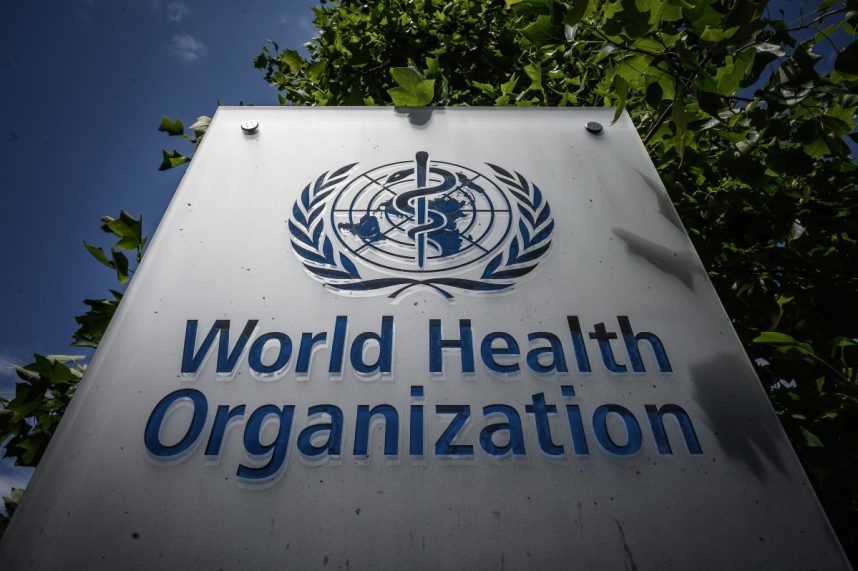
The World Health Organization headquarters in Geneva, Switzerland. The intergovernmental health agency believes gambling harms are escalating around the globe. (Image: Getty)

WHO, the specialized agency of the United Nations tasked with improving public health around the world, this week published its latest fact sheet on gambling. The report suggests that gambling problems are rising and causing more harm than ever before.

WHO estimates that 1.2% of the world’s adult population has a gambling disorder. For every person afflicted, an average of six others (usually nongamblers) are affected. The number is higher amid kinship cultures like Indigenous people.

The international health agency says people with gambling problems are 15 times likelier to die by suicide than the general population. Gaming disorders also lead to food insecurity, housing problems, and difficulties paying for and receiving healthcare.

Mounting Challenges 

WHO researchers say the proliferation of sports betting, specifically in the United States, has mainstreamed gambling and introduced tens of millions of new consumers to the industry. The internet has also made gambling accessible almost anywhere, anytime, even in places where gambling and/or online gambling is prohibited.

The organization says responsible gaming standards have largely failed.

There is often little transparency about the way many gambling products function. Electronic gaming machines can mislead users with design features that encourage extended use. Alongside strong regulation of gambling products and their availability, clear warning messages about harms associated with use are likely to be more effective than messages suggestions to simply stop when gambling is no longer fun, for instance,” the fact sheet read. 

WHO took specific issue with the rise of online gambling.

“There is no global agreement for the regulation of online gambling. Unlicensed providers regularly offer unregulated gambling products, and there is an urgent need for the regulation of online gambling,” the organization continued.

WHO is additionally calling on lawmakers to ban all gambling-related advertising, promotion, and sponsorship. The agency urges universal loss limits, maximum bets, and required breaks during gambling sessions.  

WHO says a deep probe into the gaming industry’s political activities and influence on gambling harm research is warranted.

The American Gaming Association (AGA), which represents the commercial and tribal gaming industries in the US, said in October following an international study that found the continued expansion of gambling poses a significant threat to public health that the sector has made investments to advance responsible gaming, expand consumer resources, and promote “safer gambling.” AGA Strategic Communications Senior Vice President Joe Maloney said the lobbying group “firmly supports ongoing discussions and the adoption of best practices.”

Reducing Stigmas

WHO concluded that problem gambling, unlike some other addictions and mental health issues, has a very low rate of treatment uptake. The group estimates that fewer than 1% of those with a gambling disorder seek formal help.

Stigma and shame often prevent people from seeking help. The preferred regulatory approach of the gambling industry — so-called responsible gambling — adds to this burden by effectively blaming those who experience harm,” WHO detailed.

WHO concluded by revealing its plans to coordinate a group of global experts to address the public health challenges caused by gambling. The focus will be to reduce stigma and shame related to gambling disorders, work to end advertising and promotion of gambling, and develop ways to lessen problem gambling rates, with an emphasis on low- and middle-income countries. 

The post World Health Organization Says Normalization of Gambling a Detriment to Global Wellness appeared first on Casino.org.

Brazil Proposes Online Betting Ban Over Mental Health and Financial Risks

Latest-bill-calls-for-online-betting-ban-in-BrazilA new bill aimed at banning online sports betting across Brazil has been introduced by Senator Sérgio Petecão, reflecting growing concerns over the impact of virtual gambling on mental health and financial stability. The bill, officially named Bill 4.031/2024, was submitted to the Brazilian Senate on October 21, 2024, and seeks to halt the rapidly growing online betting market just months before it is set to be fully regulated and legalized.


Concerns Over Mental Health and Financial Debt

Senator Petecão’s primary concern is the toll that online betting can take on the mental well-being of bettors, as well as the financial burden it places on families. The senator argues that online betting platforms are accessible 24 hours a day, creating a heightened risk for addiction and compulsive gambling behaviors. According to Petecão, “The platforms of online betting are available 24 hours a day, creating a false sense of easy winnings and leading many people to addiction. This compromises their own lives, their relationships, and their finances.”

The proposal comes in response to growing evidence that many Brazilians are falling into significant financial debt due to online betting. One controversial study, despite its small sample size, received widespread attention for suggesting that some bettors were using money meant for food and medicine to gamble. These findings have fueled public debate about the potential dangers of expanding the online betting market.

Bill Calls for an Immediate Halt

The new bill requests that the law enabling online betting in Brazil, signed earlier this year, be amended within 60 days to prohibit virtual gambling. While in-person betting at physical venues would still be allowed, with bettors required to purchase printed tickets, the bill suggests that online betting is a far more dangerous practice due to its round-the-clock availability and the anonymity it offers players. Petecão’s argument hinges on the belief that retail betting carries fewer risks of addiction compared to its online counterpart.

The senator’s proposal arrives as the Brazilian government prepares to launch its licensed online betting market in January 2025. As preparations continue, various other lawmakers and public figures have expressed similar concerns, particularly regarding the potential impact on vulnerable populations, including the elderly and those dependent on social benefits.

Government Response and Lula’s Position

President Luiz Inácio Lula da Silva is expected to address these concerns and clarify the government’s stance on the matter before the scheduled launch of the regulated betting market. In response to calls for more restrictive measures, Lula has already signed Bill 3.626/2023, which legalized online betting. However, the latest developments and concerns may prompt further action. Less severe proposals, such as spending limits for vulnerable groups and an accelerated ban on using credit cards for betting, are also being discussed.

In addition to Petecão’s bill, the Brazilian government has already been actively working to curb illegal betting through its Secretariat of Prizes and Bets (SPA). This regulatory body recently blocked over 2,000 unlicensed betting sites operating in Brazil. The SPA has also focused on ensuring that licensed operators meet strict requirements, including providing safeguards to protect players from gambling addiction and unethical practices.

Opposition from the Betting Industry

While the proposed ban has garnered attention, it faces strong opposition from within the betting industry. Licensed operators argue that a ban would only drive more bettors to illegal sites, undermining the government’s efforts to control the market. Moreover, with the launch of the legal market so close, many in the industry worry that these drastic measures could stall progress and hinder the development of a regulated, safer betting environment.

Supporters of the legal betting market point to ongoing efforts to protect consumers, such as advertising restrictions and player protection mechanisms, as steps in the right direction. Advocates for legalization believe that a regulated market will reduce harm by providing proper oversight and tools to manage problem gambling.

Impact on Bolsa Família and Social Benefits

The controversy surrounding online betting extends beyond the Senate, as data from Brazil’s Central Bank reveals that some recipients of Bolsa Família, the government’s flagship social welfare program, have been using their benefits to place bets online. This revelation has led to discussions about imposing stricter regulations on how Bolsa Família funds can be spent. Senator Cleitinho has introduced a separate bill that would limit the use of these funds to specific purchases, ensuring that they are used for necessities like food and healthcare rather than gambling.

As the Brazilian government continues to debate these issues, the outcome will shape the future of the country’s betting industry. Whether Petecão’s bill leads to an outright ban or simply encourages further regulation remains to be seen. Either way, Brazil is facing a critical decision about balancing economic interests, public health, and consumer protection in the burgeoning online gambling market.

Source:

Bill to Ban Online Sports Betting Proposed in Brazil“, igamingbusiness.com, October 23, 2024.

The post Brazil Proposes Online Betting Ban Over Mental Health and Financial Risks appeared first on Casino News Daily.