Illegal Texas Horse Racetrack Raided, Drugs, Gambling Devices Seized

Authorities in West Texas raided an illegal quarter-horse racetrack and arrested nine people for offenses including promoting gambling, money laundering, racketeering, and the manufacture and delivery of a controlled substance.
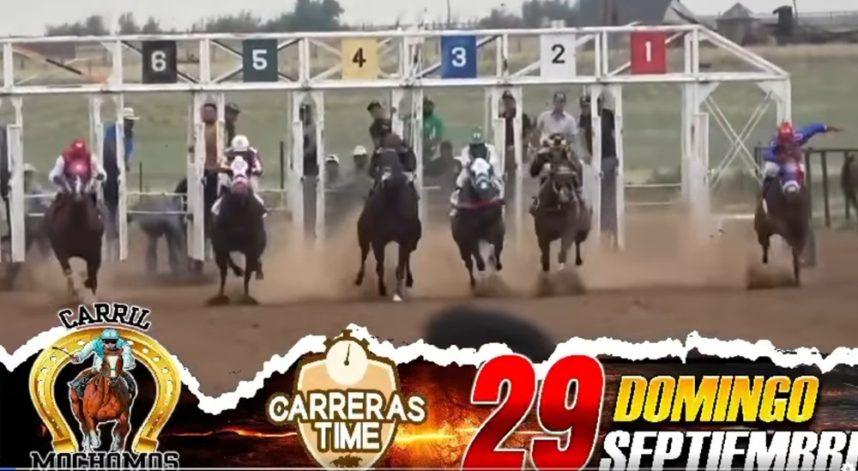
Carril Mochomos, racetrack, Levelland, Hockley County, Texas, bush racing
Footage taken from Carril Mochomos’ Facebook page, above, shows that it was a slick operation, with professionally produced highlights of races. (Image: Facebook/Carril Mochomos)

Police uncovered 135 grams of cocaine and numerous illegal gambling devices at the track, known as Carril Mochomos, near the city of Levelland, west of Lubbock, Texas.

The raid came after an investigation by animal rights group PETA into the clandestine world of unlicensed horse racing.

The organization said it identified as many as 50 illegal “bush tracks” across Texas, where a lack of regulatory oversight means that the drugging and abuse of horses is rife. PETA estimates that there are more than 150 such tracks throughout the US.

Advertising Openly

Carril Mochomos openly advertised its events on social media and produced professional quality videos of racing highlights, complete with informational graphics.

A September 13 post on its Facebook page written in Spanish advertises the track’s third anniversary, inviting visitors to bring their own beer while offering free candy and a bounce castle for the kids.

PETA said in a statement Monday that it had handed information about Carril Mochomos’ operations to the Texas Department of Public Safety (DPS), which coordinated the raid with the Texas Racing Commission and multiple law enforcement agencies.

PETA’s investigation also uncovered illegal racetracks in Georgia, which led to animal cruelty charges against six jockeys and a felony commercial gambling charge against an on-track bookmaker. Five of the jockeys who face charges in Georgia also race at licensed racetracks across the US.

Drugged, Whipped, Electroshocked

At the Rancho El Centenario bush track in Georgia, the animal rights organization claimed to witness trainers openly injecting horses with stimulants to make them run faster.

On six different visits to the track, PETA investigators collected 27 discarded syringes, which lab tests later revealed contained cocaine, methamphetamine, methylphenidate (Ritalin), and caffeine, sometimes in combination.

While racegoers would wager hundreds of thousands of dollars, trainers and jockeys would “drug, whip, and electroshock horses to try to win at any cost, the organization said.”

Jockeys whipped horses relentlessly — often over 20 times in a row — and other team members even struck the horses from behind as the starting gates opened,” according to PETA. “Jockeys and handlers also whipped and hit horses before races, during loading, and in the starting gates, as punishment and/or to control fractious behavior in the drugged-up horses.”

The PETA investigation in Georgia prompted the California Racing Board to ban its licensees, including jockeys, trainers, and owners, from participating in bush track racing. It’s the first state racing agency to do so.

The post Illegal Texas Horse Racetrack Raided, Drugs, Gambling Devices Seized appeared first on Casino.org.


Missouri Slot-Like Gaming Devices Lead to More Litigation

Lawsuits are piling up against Missouri video gaming machine company Torch Electronics. The newest one is from TNT Amusements which claims the slot machine-like devices are illegal and hurt its bottom line.

An example of a no-chance gaming device
An example of a no-chance gaming device, pictured above. Such devices are leading to litigation in Missouri. (Image: Missouri Independent)

TNT alleges Torch violates state consumer law and federal criminal statutes, according to the St. Louis Post-Dispatch. TNT also claims Torch is taking part in fraud.

Torch does not have a Missouri gaming license and does not operate its amusement devices in a casino,” the lawsuit stated, according to the news report.

“Businesses have limited floor space and every spot taken up by an illegal Torch device is a spot taken away from a legal amusement device such as those offered by TNT.”

The 56-page litigation was filed last week in Missouri’s Eastern District court. It seeks treble damages.

TNT provides amusement games and is owned by Jim Turntine.

The same company previously filed a lawsuit against Torch in 2019. Back then, TNT attempted to get Torch to remove its gaming machines at a truck stop. So far, that litigation was unsuccessful.

Class Action Lawsuit

Earlier this month, another lawsuit was filed in federal court against Torch for players who lost money while using the company’s devices. It could become a class action lawsuit and represent many disgruntled players.

It is really so cruel to people who have gambling problems to place them in these situations,” Joe Jacobson, the attorney who filed the litigation, told the Missouri Independent newspaper.

“It is like being a cocaine addict and everywhere you go, there are lines of coke sitting on bar tops.”

Torch gaming devices are found in many convenience stores and truck stops in the state. Torch terminals resemble slot machines. A player puts in money, selects a game to play, and then selects a wager, the Post-Dispatch explained in a report. Winners get paid by a cashier at the business where terminals are located.

Missouri is now debating the legalization of sports betting. But some in the legislature want to see a video gambling bill enacted that would clearly regulate the devices provided by Torch. State officials have left it up to local prosecutors whether to litigate the use of the Torch machines.

So far, there was only one successful Missouri prosecution of the Torch devices. It took place in Platte County. Those gaming machines were seized and destroyed.

Torch Electronics has responded its devices are legal under state law because players are given the chance to see the outcome of the game before they continue, the Independent reported.

No-Chance Games

Torch further contends its gaming machines are legal because there is no “element of chance,” according to the Post-Dispatch.

Company officials further say their machines “fall outside the definition of a ‘gambling device’ under Missouri law,” the Post-Dispatch reported. They call them “no-chance game machines.”

The post Missouri Slot-Like Gaming Devices Lead to More Litigation appeared first on Casino.org.