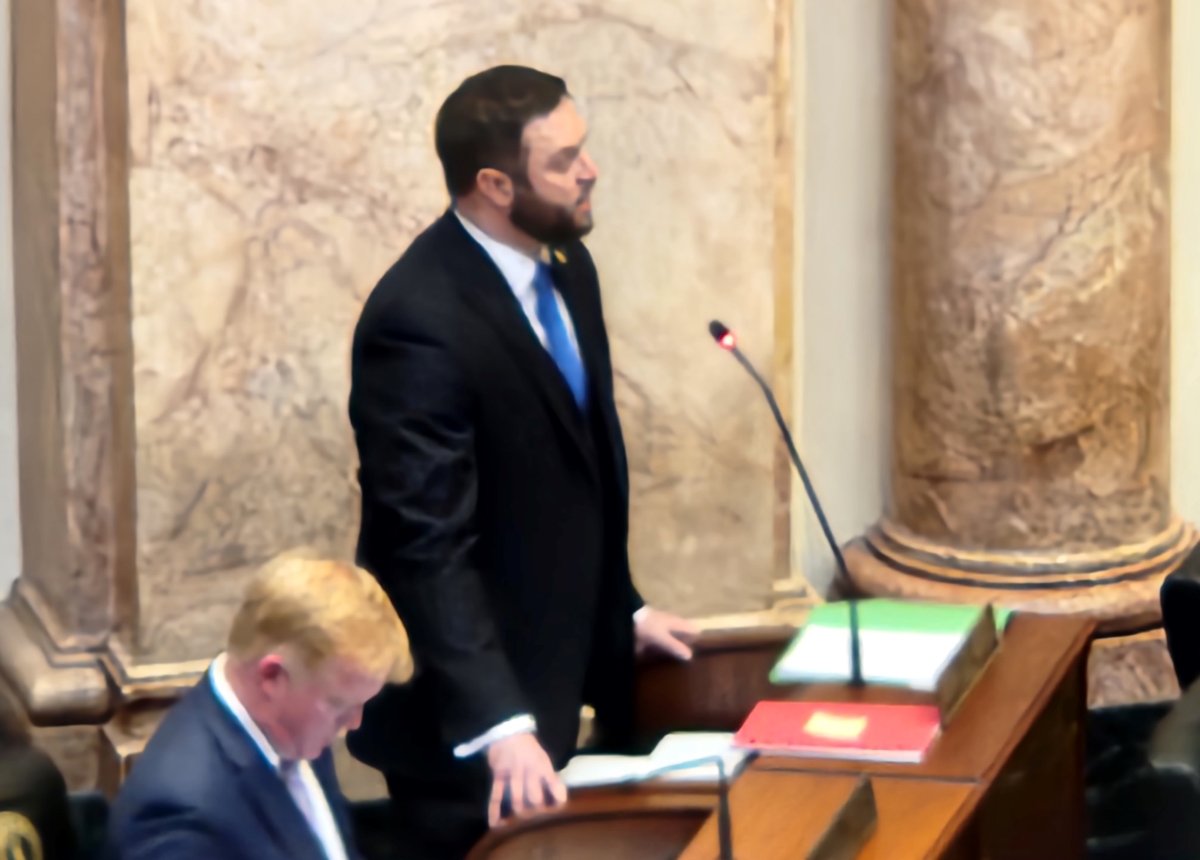
Lawmakers in the Rhode Island Senate passed a bill allowing the state to open one or more online casinos. The target opening date is January 1, 2024. Gaming would be regulated by the state lottery agency (RILOT) and game servers would be located in one or both of the state’s VLT (video lottery terminal) and table game casinos in Lincoln and Tiverton.
Final changes to the bill (S-0948 Sub. A), included the removal of digital casino games such as blackjack, roulette, craps, and baccarat and replacing them with live-dealer games only as well as a change in the state’s share of revenues from a proposed near the industry-high level of 50% of revenues for slots to 61% and a decrease on table game revenues take from 18% to 15.5%.
Age Raised to 21 for Table Games
Responsible gambling language was added and the minimum age to gamble at the online live dealer tables was raised from 18 to 21.
A few things make this story perhaps more interesting than it might be otherwise, although it is always news when a US state liberalizes online gambling.
Rhode Island is home to Bally’s Corp. and global casino and lottery giant International Game Technology (IGT), which has more than $4.2 Billion in annual revenue. It is also the smallest state in the US but the most densely populated. The two companies have entered into a partnership for the online casino(s) continuing an agreement to provide sportsbetting services and tech to the state.
In January this year, Bally’s Corp. announced it would cut 15% of its North American Interactive workforce and in February announced it had drafted and introduced legislation to authorize iGaming in RI.
While online casino measures have failed recently in Illinois, Indiana, New Hampshire, and New York, the one in Rhode Island appears on a track to success despite some questions of constitutionality from RILOT as well as potential competitors who were not happy with sports betting services being effectively restricted to s single provider choice.
The measure was approved in short order on a 30-4 vote Thursday, June 8, 2023. A Senate Special Legislation and Veterans Affairs Committee made changes to the original bill sent up from the House on Tuesday – those changes addressed perceived constitutional issues with the original measure.
One question revolved around a form of live dealer casino gaming that is conducted from a studio rather than directly from a live-action casino floor. Lottery representatives feared that the constitutional definition of “table games” which was used in a voter-approved referendum allowing tables at the state’s land-based casinos, could be violated. While top lawmakers disagreed with the assertion they felt that accommodating a simple language change would be worth the effort.
New language in the bill states: “(30) “Online table game” means a casino-style table game authorized by the Division within the scope of the term iGaming, where such, games are conducted by one or more live persons and made available to players through use of the Internet…”
The bill is now headed back to the House of Representatives for any further debate or final adjustments – barring any change in language it is expected to be passed and sent to the Governor for his signature. The RI House passed a budget bill (2023-H 5200Aaa) on Friday, June 9 with revenue numbers from the iGaming bill baked in. That bill is now set to go to the Senate, whose Finance Committee is expected to consider it Tuesday at 3 p.m.
More Cautious Revenue Estimates
If erring on revenue numbers, the newest bill allows lawmakers to err on the side of caution and uses a more conservative estimate of $162.6 million directed into state coffers during the first five years of online casino operations rather than the original $210 million estimate provided by Bally’s in the original proposal. That number game from an industry study and report done by Spectrum Gaming for IGT/Bally’s. Many lawmakers quietly doubted the number while relying on the more conservative estimate.
“This legislation provides an added convenience to Rhode Islanders who would like to play the existing table games offered at Twin River via their mobile devices,” said Senate Dominick J. Ruggiero, who introduced the bill to the chambers.
“It helps ensure the continued strength of the state facilities in the competitive regional gaming market, and in so doing protects an important revenue stream that provides funding for vital state programs and investments.”
This is an important consideration considering the political fallout surrounding the original sportsbetting legislation that relied on numbers provided by the American trade association and industry watchdog, the American Gaming Association (AGA). Former Governor Gina Raimondo’s administration caught political flak when the industry numbers didn’t shake out right away. However, the state lost several months of revenue during peak sportsbetting season due to lagging approvals and ongoing tussles over the pending legislation.
In that launch, the state was counting on $23 million in revenue during the first year of operations but missed September, October, and November – important football betting months, especially in a small state with a fiercely loyal fanbase for its “local team”, the New England Patriots. The state’s biggest month to date for sportsbetting revenue was $6,703,144 (circa $80m annualized) for Nov. ’21 and the state’s greatest handle of sports bets was $62,317,384 in Jan. ’23. There are two physical sports books in the state (Bally’s Lincoln and Bally’s Tiverton) and one mobile app operated by IGT/Will Hill and Bally’s casinos. Retail sportsbetting has been legal there since May 2018 and active since Sept. 4, 2019.
Source:
Senate passes iGaming bill, State of Rhode Island General Assembly News, June 9, 2023
The post RI Senate Passes Amended iGaming Bill appeared first on Casino News Daily.