KRAIL Blocks Illegal Gambling Websites Amid Uncertain Future

krail_blocks_illegal_gambling_websites_amid_uncertain_future The Commission for the Regulation of Gambling and Lotteries (KRAIL), Ukraine’s gambling regulator, has taken decisive action against illegal gambling activities in the country. Recently, KRAIL blocked 371 websites offering illegal gambling services as part of a joint effort with the Security Service of Ukraine. This move was formalized through Order No. 451/2256, which targeted the domain names of these unauthorized gambling sites.

The order mandates electronic communication service providers to block the specified websites using their Domain Name System (DNS) servers. Between April and May, KRAIL and the Security Service issued over 1,000 orders to restrict access to various domain names and subdomains on DNS servers, further intensifying the crackdown on illegal gambling operations.

Uncertainty Over KRAIL’s Future

KRAIL’s recent actions come at a time when the future of the regulator is in question. In April, the Verkhovna Rada, Ukraine’s parliament, voted to dissolve KRAIL after more than a year of contention over its effectiveness in regulating the gambling industry. The opposition to KRAIL’s operation stemmed from dissatisfaction with its regulatory performance, particularly its delays in processing license applications.

KRAIL is currently composed of a collegial body with a chairman and six members. Meetings are only valid if at least five members are present. However, some commission members were mobilized for military service following Russia’s invasion of Ukraine, causing significant delays in regulatory processes, including the issuance of licenses.

The legislative bill that includes KRAIL’s dissolution also proposes stricter measures on gambling advertising and other regulatory controls. This bill is set for a second reading, and if passed, it will become law upon the signature of President Volodymyr Zelenskyy.

Future of Gambling Regulation in Ukraine

Should KRAIL be dissolved, the responsibility for regulating gambling will be transferred to the Ministry of Digital Transformation. Alina Plyushch, a partner at Kyiv-based law firm Sayenko Kharenko, highlighted the uncertainty surrounding the future structure of gambling regulation. “This is pending a further government decision on the creation of a new regulator under the digital transformation ministry’s umbrella,” Plyushch said.

She also noted the possibility that the Ministry of Digital Transformation might retain regulatory functions indefinitely. The exact duration and structure of this transitional regulatory framework remain unclear, leaving the future of Ukraine’s gambling industry in a state of flux.

As KRAIL continues its efforts to combat illegal gambling, the impending legislative changes pose significant questions about the long-term regulatory landscape for gambling in Ukraine. The outcome of the legislative process and subsequent government decisions will determine the next steps for ensuring a well-regulated and compliant gambling market in the country.

Source:

“????? ??? ????????? ??????? ?? 371 ????????, ????? ??? ????????? ?????? ?? ??????????? ???????? ????”. The Commission for the Regulation of Gambling and Lotteries (KRAIL). June 5, 2024.

Ukraine regulator blocks 371 illegal gambling sites. iGaming Business. June 6, 2024.

The post KRAIL Blocks Illegal Gambling Websites Amid Uncertain Future appeared first on Casino News Daily.

NOGA Urges Dutch Kansspelautoriteit to Act on Minors Gambling with Illegal Operators

Peter-Paul de Goeij, director of the Netherlands Online Gambling Association (NOGA), is calling for a “rigorous” response from Kansspelautoriteit (KSA) after research revealed that illegal operators are allowing minors to gamble. The findings, shared by Keurmerk Responsible Affiliates (KVA) and Licensed Dutch Gaming Providers (VNLOK), highlight a significant issue within the Netherlands’ gambling industry.

Research Findings on Underage Gambling

noga-urges-rigorous-ksa-response-after-research-finds-illegal-operators-accepting-bets-from-minorsThe research conducted by KVA uncovered that minors in the Netherlands can easily gamble with offshore operators. The study showed that these operators do not require the necessary age verification, allowing anyone with an email address or telephone number to create an account. This lack of oversight enables those below the legal gambling age of 18 to deposit and gamble, often using cryptocurrency for anonymous transactions.
Further, the study found that illegal casinos use the logos of banks and legal operators to mislead minors into believing that their deposits are safe. This practice is particularly concerning as it exploits the trust and security associated with these financial institutions.

Previous Research and Industry Concerns

KVA’s recent findings build on previous research from 2023, which indicated that illegal sites were targeting players attempting to bypass Cruks, the Netherlands’ self-exclusion scheme. This ongoing issue highlights the need for stringent regulatory measures to protect vulnerable groups from the risks associated with illegal gambling.

De Goeij emphasized the heightened risks for underage gamblers, noting their increased susceptibility to addiction and related mental health and financial problems. He urged the KSA to take decisive action to address these issues and fulfill its mandate to protect consumers.

“The Kansspelautoriteit (KSA), the Dutch Gambling Authority, is expected to address these issues rigorously,” De Goeij told iGB. “The KSA is likely to enhance monitoring and enforcement actions against unlicensed operators, imposing hefty fines and blocking access to these websites. Educating the public, especially minors and their parents, about the risks of unlicensed gambling and how to avoid these sites can be an effective preventive measure.”

Recommendations for KSA Action

De Goeij advocates for increased collaboration between the KSA and other jurisdictions, sharing intelligence and best practices to combat illegal operators. He also suggests that the KSA should work closely with financial institutions to block illegal transactions and cut off revenue streams to offshore operators.

“The KSA should employ advanced technologies like geolocation blocking and AI-driven monitoring to detect and shut down access to offshore gambling platforms,” De Goeij added. “Working with internet service providers (ISPs) to block unlicensed gambling sites could significantly reduce access.”

Broader Issues in the Dutch Gambling Market

The timing of KVA’s research coincides with growing industry concerns over regulatory changes in the Netherlands. Recently, a coalition agreement proposed increasing the gambling tax from 30.5% to 37.8%, aiming to generate an additional €202m in tax revenue. NOGA has expressed concerns that such measures could push operators towards the black market, undermining the regulated market’s integrity.

Earlier this year, the house of representatives voted to ban “high-risk” gambling, including online slots, and to prohibit online gambling advertising. These regulatory changes, combined with higher taxes, could drive more players to unlicensed sites, where consumer protections are minimal.

De Goeij is particularly worried about the potential impact on the legal market, warning that higher taxes and advertising restrictions might reduce revenue for the Dutch government and legal operators. This shift could lead to increased fraud, addiction, and other harms associated with unregulated gambling.

NOGA’s Strategic Recommendations

To combat the potential rise of the black market, De Goeij recommends that the KSA and the government adopt evidence-based regulations that do not overly burden legal operators. He believes that encouraging innovation and improving customer experiences in the legal market can help retain and attract players.

“The KSA and the government should encourage innovation and better customer experiences in the legal market to retain and attract players,” De Goeij said. “They should also be continuously researching market trends and player behavior to adapt regulations and strategies dynamically. Only by taking a proactive and balanced approach, the Netherlands can protect its citizens while maintaining a robust and attractive legal gambling market.”

Source: “NOGA urges rigorous KSA response after research finds illegal operators accepting bets from minors”iGaming Business, May 23, 2024.

The post NOGA Urges Dutch Kansspelautoriteit to Act on Minors Gambling with Illegal Operators appeared first on Casino News Daily.

Illegal Gambling Operations Raided in Four States as Part of Continuing Crackdown

A series of raids on illegal gaming operations across the country has seen several people arrested over the past month.

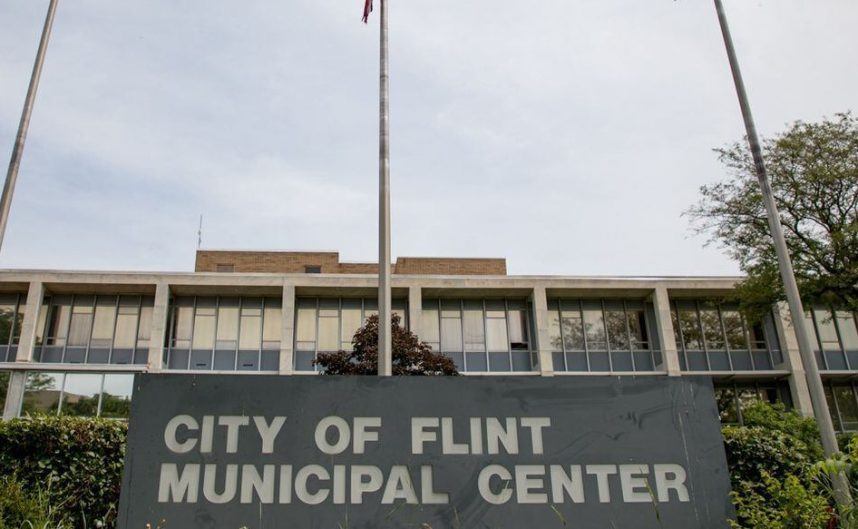
City of Flint Municipal Center
The City of Flint Municipal Center, pictured above. A local business was raided recently by Michigan authorities for alleged gambling. (Image: MLive.com)

In Flint, Mich., two men were charged earlier this month with running a gambling operation without a license, two counts of using computers to commit a crime, and a count of maintaining a gambling house for gain.

The suspects, Linos Antonio Kas-Mikha, 52, of Grand Blanc, Mich., and Robert Jamerson, 55, of Saginaw, Mich. were arrested last month after authorities raided a storefront business where the two reportedly operated 11 slot machines. Authorities also found 13 computers, which were used to operate the games.

Other properties linked to the men have been raided previously by authorities as part of investigations into illegal gambling.

Holding those who choose to break the law and run alleged illegal gambling operations accountable for their actions is paramount to ensuring the safety and integrity of our neighborhoods,” Michigan Gaming Control Board Executive Director Henry Williams recently said in a statement following the latest raid.

“By enforcing strict regulations and prosecuting offenders, we strive to maintain a gaming environment that is not only enjoyable, but also adheres to the principles of fairness, legality, and community safety.”

$30K Seized in California

Across the country in Modesto, California, authorities raided an illegal gambling operation last week.

The court-ordered search led to the seizure of more than $30K in cash and 17 gambling machines. Two unnamed men were charged.

The raid was linked to the investigation of illegal gambling at a convenience store and at other local businesses, as well as at a Modesto residence.

Ohio Gambling Den

In another case, an internet cafe in Dayton, Ohio was raided earlier this month for alleged illegal gambling.

Local police searched Lucky Day Internet Cafe following an undercover operation there, according to Ohio TV station WHIO.

Police seized several gambling machines and an unspecified amount of cash from the business. Criminal charges are likely.

$31K Seized, Arrests in Texas

In a separate raid in Corpus Christi, Texas, last month, authorities seized about $31K in cash from an illegal gambling operation at the El Patron Sweepstakes Gameroom, according to Texas TV station KRIS.

Police also seized 90 items associated with gambling.

Andria Thompson, 34, was charged with gambling promotion, possession of a gambling device, keeping a gambling place, and engaging in organized criminal activity. Twenty-three people identified as customers of the operation were issued citations.

The post Illegal Gambling Operations Raided in Four States as Part of Continuing Crackdown appeared first on Casino.org.

French Regulator ANJ Warns About Illegal Gambling Sites

french_regulator_issues_warning_over_illegal_online_casinos_on_facebook_2L’Autorité Nationale des Jeux (ANJ), a gambling regulator from France, works hard to prevent illegal gambling in the country. The regulator recently warned all players about the fraud that is occurring in the industry: various illegal gambling operators use the brands of popular licensed operators to advertise their services on social media platforms, especially Facebook.
Risks for players

That way, even those looking to gamble legally can be tricked into placing illegal bets. Now, the regulator has joined forces with Meta to monitor and resolve the issue.

So far, ANJ has found about 400 illegal websites, which resulted in 137 user accounts on Facebook being blocked. The main operators that were used for illegal operations were Barrière and JOA groups. The profiles of these operators have been created and their brand image was used to attract potential customers to the illegal website. They also created mobile apps that players were led to from Facebook images.

Online casinos aren’t legalized in France. However, some operators are allowed to offer online sports betting and horse racing betting services to French players. Also, land-based casinos that have appropriate licenses are also legal.

According to ANJ, players are at huge risk due to betting on illegal sites. They risk not being paid when they win, as well as various payment frauds and the risk of stealing personal data.

The regulator commented: “If in doubt about the legality of the gambling site on which you are about to bet, consult the list of sites approved by the ANJ. You can also consult the blacklist of sites that have been administratively blocked by the ANJ. We invite anyone who notices the presence of fake advertisements to report them.”

Worth of illegal betting market

In December 2023, ANJ said that the illegal betting market in France was worth up to €1.50 billion (£1.28bn/$1.62bn), which is more than 10% higher than the wagered amount in the country on a yearly basis.

According to research conducted by ANJ, 510 illegal websites are active. About 60% of all traffic comes from 21 of them.

PwC published a study with concerning data: the gross gaming revenue illegal casinos earned is somewhere between €748m and €1.5bn, which is between 5% and 10% of total gambling in France. The record was set in 2022 when it was €12.9 billion.

Source:

“French regulator issues warning over illegal online casinos on Facebook”, igamingbusiness.com, January 31, 2023.

The post French Regulator ANJ Warns About Illegal Gambling Sites appeared first on Casino News Daily.

Florida Puts the Squeeze on Illegal Slots

Florida regulators are ramping up enforcement against illegal slot machines at adult arcades, TCPalm reports.

Florida illegal slots
Slots and slot-like machines are illegal everywhere in Florida but for the Seminole reservations and select pari-mutuel venues in Miami-Dade and Broward counties. (Image: Nevada Independent)

The recently formed Florida Gaming Control Commission (FGCC) wrote cease-and-desist letters to at least six arcades in Tallahassee last week. The letters warned them their operations were illegal and that they would face large fines unless they shut down.

FGCC Executive Director Lou Trombetta told TCPalm that his organization is beginning to close the arcades in coordination with local law enforcement agencies.

Florida Politics reported that staff at one venue, the MVM Arcade on Apalachee Parkway, escaped via a back exit when FGCC officials and a Leon County deputy sheriff knocked on the door last week.

The door was eventually opened by an oblivious gambler, who also quickly made himself scarce when he realized what was going on, leaving his credits in the machine.

Rise Since Pandemic

Slot machines are illegal in Florida outside the Seminole Tribe’s six Indian reservations and certain pari-mutuel facilities in Broward and Miami-Dade counties.

Since the pandemic, there has been a marked increase in new arcades springing up in strip malls or in vacant stores throughout the state, although exactly why is unclear. Nor is it clear how many such operations currently exist in Florida.

The Seminoles have long complained that the state doesn’t do enough to combat gambling operations that it believes transgresses its exclusivity on casino gaming. Until the creation of the FGCC in 2021 as a condition of a compact with the Seminoles, there was no state agency dedicated to monitoring and enforcing the law against illegal slots operations.

Last July, the state budget began allocating funding for the commission. Trombetta said he’s currently recruiting 15 law enforcement officers who will focus on shutting down illegal machines in coordination with local agencies. The FGCC website has also begun to collect consumer complaints about the operations.

They don’t play by the same rules,” Trombetta said of the illegal operators. “It’s very unfair to the good players in the business.”

He noted that unlike legal operations, the arcades lack consumer protections, including rules about mandatory payout percentages, which is a minimum of 85% in Florida. Moreover, they may not pay state taxes and could be contributing to organized crime, he warned.

Allied Veterans Scandal

The last major crackdown on illegal gambling machines came in 2013 after the legislature banned sweepstakes machines and cafes.

The effort uncovered a $300 million racketeering, illegal gambling, and money laundering operation linked to Allied Veterans of World Inc. The organization ran sweepstakes cafés throughout Florida, but prosecutors said that very little of the $300 million in revenues from these businesses went to veterans.

The post Florida Puts the Squeeze on Illegal Slots appeared first on Casino.org.