US DOJ Sues to Break Up Live Nation & Ticketmaster

The US Justice Department on Thursday filed an antitrust lawsuit in federal court against Live Nation Entertainment, the parent company of music promoter Live Nation and ticket sales giant Ticketmaster. The lawsuit, joined by 30 states, seeks to break up the company.
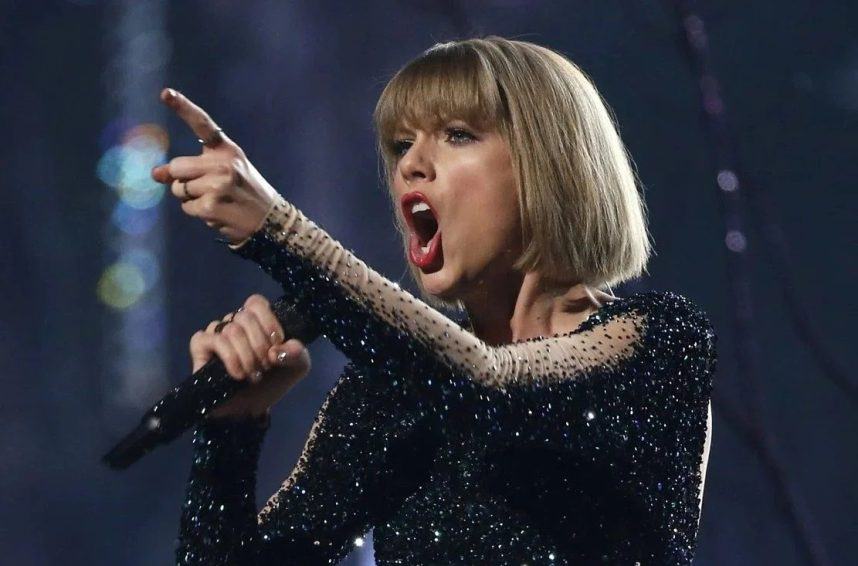
Taylor Swift was furious at Ticketmaster in 2022 for bungling the sale of her tickets to her fans. (Image: Newsweek)

At issue is Live Nation’s alleged monopoly over live entertainment in the US and the exorbitant fees Ticketmaster is able to charge as a result.

We allege that Live Nation relies on unlawful, anticompetitive conduct to exercise its monopolistic control over the live events industry in the United States at the cost of fans, artists, smaller promoters, and venue operators,” said Attorney General Merrick Garland in a statement.

“The result is that fans pay more in fees, artists have fewer opportunities to play concerts, smaller promoters get squeezed out, and venues have fewer real choices for ticketing services. It is time to break up Live Nation-Ticketmaster.”

Live Nation and Ticketmaster merged in 2010, despite concerns about a potential monopoly. The companies now control an estimated 70% of the ticketing and live event venues market — possibly even more in Las Vegas, though a city-by-city breakdown couldn’t be found.

Response Not So Swift

The precipitating incident for the lawsuit was pop superstar Taylor Swift’s “The Eras” tour, for which Ticketmaster canceled a public on-sale date in November 2022 because it screwed up and sold all 2.4 million tickets during its presale.

It was the first time in the California-based ticket distributor’s 47-year history that it has canceled a previously announced on-sale because of a lack of inventory.

It’s really difficult for me to trust an outside entity with these relationships and loyalties, and excruciating for me to just watch mistakes happen with no recourse,” Swift wrote in an Instagram post at the time. “There are a multitude of reasons why people had such a hard time trying to get tickets, and I’m trying to figure out how this situation can be improved moving forward.”

The DOJ opened its probe of Live Nation shortly following the fiasco. And, at a US Senate hearing in January 2023, several senators slammed Live Nation’s lack of transparency and inability to block bot purchases of tickets.

A Taylor Swift fan filed a class action suit against Live Nation in December 2022 over the debacle, alleging fraud, price-fixing, and antitrust violations. The lawsuit, joined by thousands of fans, claimed that Ticketmaster was “a monopoly” that “knowingly misled millions of fans.”

A year later, the fan, Michelle Sterloff, dropped her case. Although she never stated why, it was reported shortly beforehand that both sides were engaged in “ongoing settlement discussions.”

Ticketmaster’s Defense

Earlier this year, Live Nation’s head of Corporate Affairs, Dan Wall, defended his company’s policies, claiming in a blog post that ticket prices are determined by artists and their teams, while additional service charges are determined by the venues themselves.

“Fans are also told that service charges are Ticketmaster’s way of raising ticket prices,” he wrote. “In fact, Ticketmaster does not set service charges, venues do, and most of the money goes to the venues.”

The post US DOJ Sues to Break Up Live Nation & Ticketmaster appeared first on Casino.org.
Prairie Band Potawatomi Nation Becomes Illinois’ Only Recognized Tribe

The Prairie Band Potawatomi Nation has become Illinois’ only federally recognized tribe.

Prairie Band Potawatomi Nation, Prairie Band Resort and Casino, Illinois, Chicago
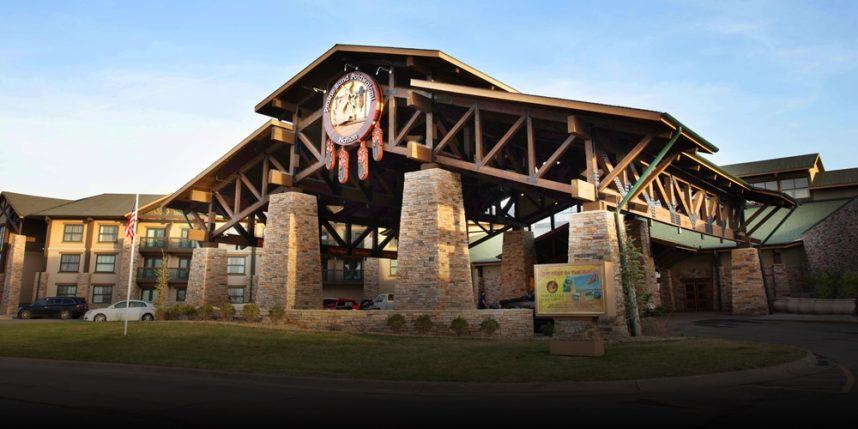
Will we see a Prairie Band Resort and Casino in Illinois like the one in Kansas? The tribe has no immediate plans but is considering its options. (Image: Prairie Band)

That’s after the U.S. Department of the Interior announced Friday it had placed 130 acres of land 70 miles west of Chicago into trust for the tribe. This is the process that converts land into a sovereign tribal reservation, partially removing it from the jurisdiction of the state, a prerequisite for Indian gaming.

The Prairie Band is headquartered near Mayetta, Kansas, where it operates the Prairie Band Resort and Casino but has ancestral ties to the land in Illinois.

The tribe believes that the land was illegally auctioned off 175 years ago, while Chief Shab-eh-nay was visiting relatives in Kansas.

Righting Wrongs

“Our federal government unlawfully sold the Prairie Band Potawatomi Nation’s land in Illinois,” said Prairie Band Chairman Joseph Rupnick, the fourth-generation great grandson of Chief Shab-eh-nay, in a statement. “The decision to put portions of the Shab-eh-nay Reservation into Trust is an important step to returning the land that is rightfully theirs.”

We have been asking for this recognition and for what is rightfully ours for nearly 200 years, and we are grateful to the U.S. Department of Interior for this significant step in the pursuit of justice for our people and ancestors,” Rupnick added.

The tribe did not say how it intended to use the land, other than it would “carefully evaluate” all possibilities. Back in 2016, shortly after the Prairie Band purchased the land, the tribe proposed a class II gaming facility, but it’s unclear if those plans will be revived.

Room for Another Casino?

A casino so close to the Chicago metropolitan area might be an attractive option. But Illinois’ gaming landscape has been transformed since 2016. In 2019, Gov. J.B. Pritzker (D) signed a gambling expansion package that would establish one big casino in Chicago and five smaller regional casinos in the southern suburbs. Another casino in the area could lead to saturation.

The tribe could operate class II gaming, such as electronic bingo and poker, under the Indian Gaming Regulatory Act without the permission of the state. A class III casino, with Las Vegas-style slots and table games, would require compact negotiations with the state.

A bill filed in the Illinois House of Representatives in February would give more land to the Prairie Band. But it contains a clause that would require the tribe to maintain the land as a public conservation area – which might rule out a future casino — or face a hefty fine from the federal government.

The post Prairie Band Potawatomi Nation Becomes Illinois’ Only Recognized Tribe appeared first on Casino.org.

Cayuga Nation Sues New York State Over Lottery Sales on Reservation

The Cayuga Nation is suing the New York State Gaming Commission (NYSGC) for selling lottery tickets on its reservation in the state’s Finger Lakes region.

Cayuga Nation, New York State Lottery, lawsuit, New York State Gaming Commission, NYSGC
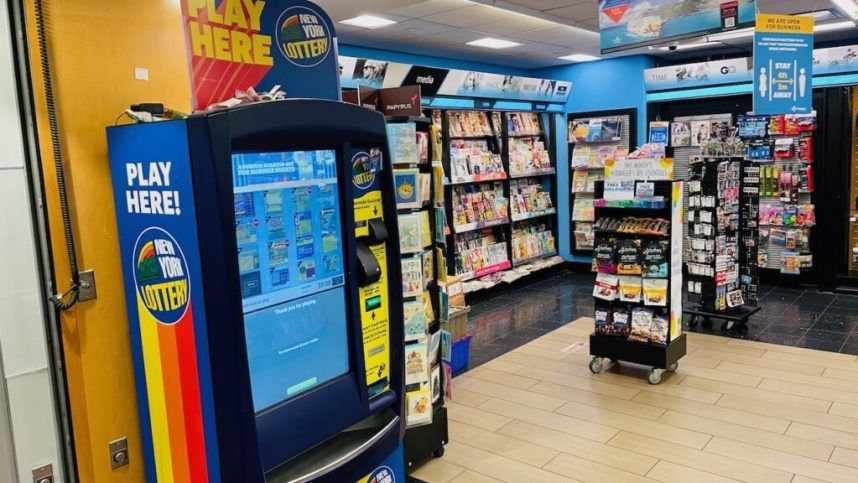
New York State is violating federal law by deploying self-service kiosks, such as the one pictured above, on Cayuga Nation lands, according to a lawsuit filed by the tribe Thursday. (Image: News Agency Blog)

The Nation asserts that by federal law it is the only entity authorized to regulate the conduct of gaming on its lands. That’s in a complaint filed Thursday in the U.S. District Court for the Northern District of New York.

Under the federal Indian Gaming Regulatory Act (IGRA), the state has no authority to offer gaming on the Cayuga’s sovereign reservation unless it is licensed to do so by the tribe, the lawsuit states.

Jackpocket App

Yet the state has deployed lottery terminals on the Cayuga reservation that dispense instant-win scratch-offs and tickets for draw games, according to the tribe. It has also issued a courier service license to Jackpot Inc, a company that enables users to play the New York Lotto and other NYSGC-licensed draw games via the Jackpocket mobile app.

Moreover, the Nation notes that lottery games are defined as class III gaming, akin to slot machines and roulette. The Cayuga themselves are prohibited from offering class III games on the reservation because they do not have a compact with the state.

Under IGRA, they can only offer class II gaming, such as electronic bingo and poker, at their four “Lakeside Entertainment” gaming venues.

The Nation has robust gaming operations throughout the reservation and uses the revenue to provide life-changing government benefits to Cayuga citizens,” said Cayuga representative Clint Halftown in an official statement. “New York State’s practice of authorizing lotteries on Reservation land causes grave concern to the Nation’s rights and ability to provide for Nation citizens.”

IGRA Trumps State Law

The Nation has already established in a federal court that “IGRA preempts all state and local legislation and regulation relating to gambling conducted on ‘Indian lands,’ as defined in that statute.” That ruling of July 2021 put paid to local attempts to thwart the tribe’s gaming operations.

The new lawsuit came after the Nation’s lawyers wrote to NYSGC and Jackpocket offering to discuss the lottery issue but received no response. The suit seeks declaratory judgment that the state is violating IGRA and an injunction to halt lottery terminals and Jackpocket’s operations on its lands.

“The Cayuga Nation has a responsibility to enforce its federally approved gaming ordinance and stop all unlawful gaming within the reservation, whether by the state or private individuals,” Halftown said. “The Cayuga Nation Council will not ignore the State’s gaming, especially the expansion to mobile gaming and the license to Jackpocket Inc.”

The post Cayuga Nation Sues New York State Over Lottery Sales on Reservation appeared first on Casino.org.