Swedish BOS Rejects Proposal for New Credit Card Ban in Gambling

Swedish-BOS-rejects-the-proposal-A-new-ban-on-gambling-on-creditThe Swedish Trade Association for Online Gambling (BOS) has formally submitted its statement to the Ministry of Finance regarding the memorandum titled “A new ban on gambling on credit,” which proposes a ban on the use of credit cards for gambling. BOS has firmly rejected this proposal, citing significant negative consequences for channelization.

Gustaf Hoffstedt, Secretary General of BOS, explained the association’s stance [pdf], emphasizing that such a ban would likely push consumers towards unlicensed and illegal gambling platforms, which currently constitute almost half of the Swedish online casino market. Hoffstedt stated, “In the name of consumer protection, Sweden should not add new restrictions on consumers that still place their bets on the legal gambling market.”

Alternative Proposal Suggested by BOS

If the government decides to proceed with the ban, BOS proposes an alternative approach: instead of placing the obligation on gambling operators, the responsibility should be on credit card issuers. Under this model, the Swedish Financial Supervisory Authority (Finansinspektionen) would supervise credit card issuers to ensure they do not process payments for gambling companies, including those operating illegally or without a license.

BOS argues that this approach would more effectively prevent the use of credit cards for gambling while avoiding further burdens on licensed operators. Hoffstedt pointed out that licensed gambling operators are already heavily restricted and additional limitations could drive more consumers towards the unlicensed market, undermining consumer protection goals.

BOS’s Rationale for Rejection

BOS has consistently supported measures to prevent gambling on credit. However, the association draws a line at banning credit cards, which are a common and regulated form of payment. “At least one credit check is conducted before issuing a credit card,” Hoffstedt noted, “and in most cases, credit is repaid monthly, accruing no interest.”

The association also highlighted that credit card usage for gambling is on the decline, with many consumers shifting to other payment methods like Swish. Those who do use credit cards for gambling are typically older with more organized finances, and the prevalence of problem gambling among them is relatively low.

The biggest challenge, according to BOS, is the prevalence of unlicensed gambling, a view shared by Finance Market Minister Niklas Wykman. Hoffstedt stressed that restrictive measures against licensed operators, such as the proposed credit card ban, combined with inadequate countermeasures against unlicensed operators, have led to a significant outflow from the legal gambling market. “This must end,” he said, emphasizing that enhancing the attractiveness of the licensed market is crucial for effective regulation.

Concerns Over Government’s Approach

BOS expressed concern over the government’s tendency to exempt state-owned or controlled gambling operators from new restrictions, creating an uneven playing field. The association fears that this might undermine competitive neutrality and consumer confidence.

In conclusion, Hoffstedt reiterated BOS’s position that the proposal to ban credit cards for gambling should be rejected. He emphasized that effective regulation should include measures to counteract unlicensed gambling while supporting the legal market.

“Sweden’s largest online casino operator is likely unlicensed,” Hoffstedt noted, underscoring the need for balanced regulation. BOS believes that imposing the ban on credit card issuers rather than gambling operators is a more effective and fair approach to achieving the intended consumer protection goals.

Source: Press release: BOS rejects the proposal A new ban on gambling on credit. BOS. May 23, 2024.

The post Swedish BOS Rejects Proposal for New Credit Card Ban in Gambling appeared first on Casino News Daily.

NOGA Urges Dutch Kansspelautoriteit to Act on Minors Gambling with Illegal Operators

Peter-Paul de Goeij, director of the Netherlands Online Gambling Association (NOGA), is calling for a “rigorous” response from Kansspelautoriteit (KSA) after research revealed that illegal operators are allowing minors to gamble. The findings, shared by Keurmerk Responsible Affiliates (KVA) and Licensed Dutch Gaming Providers (VNLOK), highlight a significant issue within the Netherlands’ gambling industry.

Research Findings on Underage Gambling

noga-urges-rigorous-ksa-response-after-research-finds-illegal-operators-accepting-bets-from-minorsThe research conducted by KVA uncovered that minors in the Netherlands can easily gamble with offshore operators. The study showed that these operators do not require the necessary age verification, allowing anyone with an email address or telephone number to create an account. This lack of oversight enables those below the legal gambling age of 18 to deposit and gamble, often using cryptocurrency for anonymous transactions.

Further, the study found that illegal casinos use the logos of banks and legal operators to mislead minors into believing that their deposits are safe. This practice is particularly concerning as it exploits the trust and security associated with these financial institutions.

Previous Research and Industry Concerns

KVA’s recent findings build on previous research from 2023, which indicated that illegal sites were targeting players attempting to bypass Cruks, the Netherlands’ self-exclusion scheme. This ongoing issue highlights the need for stringent regulatory measures to protect vulnerable groups from the risks associated with illegal gambling.

De Goeij emphasized the heightened risks for underage gamblers, noting their increased susceptibility to addiction and related mental health and financial problems. He urged the KSA to take decisive action to address these issues and fulfill its mandate to protect consumers.

“The Kansspelautoriteit (KSA), the Dutch Gambling Authority, is expected to address these issues rigorously,” De Goeij told iGB. “The KSA is likely to enhance monitoring and enforcement actions against unlicensed operators, imposing hefty fines and blocking access to these websites. Educating the public, especially minors and their parents, about the risks of unlicensed gambling and how to avoid these sites can be an effective preventive measure.”

Recommendations for KSA Action

De Goeij advocates for increased collaboration between the KSA and other jurisdictions, sharing intelligence and best practices to combat illegal operators. He also suggests that the KSA should work closely with financial institutions to block illegal transactions and cut off revenue streams to offshore operators.

“The KSA should employ advanced technologies like geolocation blocking and AI-driven monitoring to detect and shut down access to offshore gambling platforms,” De Goeij added. “Working with internet service providers (ISPs) to block unlicensed gambling sites could significantly reduce access.”

Broader Issues in the Dutch Gambling Market

The timing of KVA’s research coincides with growing industry concerns over regulatory changes in the Netherlands. Recently, a coalition agreement proposed increasing the gambling tax from 30.5% to 37.8%, aiming to generate an additional €202m in tax revenue. NOGA has expressed concerns that such measures could push operators towards the black market, undermining the regulated market’s integrity.

Earlier this year, the house of representatives voted to ban “high-risk” gambling, including online slots, and to prohibit online gambling advertising. These regulatory changes, combined with higher taxes, could drive more players to unlicensed sites, where consumer protections are minimal.

De Goeij is particularly worried about the potential impact on the legal market, warning that higher taxes and advertising restrictions might reduce revenue for the Dutch government and legal operators. This shift could lead to increased fraud, addiction, and other harms associated with unregulated gambling.

NOGA’s Strategic Recommendations

To combat the potential rise of the black market, De Goeij recommends that the KSA and the government adopt evidence-based regulations that do not overly burden legal operators. He believes that encouraging innovation and improving customer experiences in the legal market can help retain and attract players.

“The KSA and the government should encourage innovation and better customer experiences in the legal market to retain and attract players,” De Goeij said. “They should also be continuously researching market trends and player behavior to adapt regulations and strategies dynamically. Only by taking a proactive and balanced approach, the Netherlands can protect its citizens while maintaining a robust and attractive legal gambling market.”

Source: “NOGA urges rigorous KSA response after research finds illegal operators accepting bets from minors”iGaming Business, May 23, 2024.

The post NOGA Urges Dutch Kansspelautoriteit to Act on Minors Gambling with Illegal Operators appeared first on Casino News Daily.

UK Announces Liberalising Measures for Gambling Venues

uk-to-liberalise-rules-for-gambling-venues-in-light-of-online-growthThe United Kingdom is set to introduce a series of liberalising measures aimed at enhancing the appeal of land-based gambling venues such as casinos, bingo halls, and arcades. This initiative is part of a broader strategy to ensure these establishments remain competitive with the rapidly expanding online betting and gaming sector.

In a written statement to lawmakers on Thursday, Minister Stuart Andrew highlighted the necessity of updating “the outdated and overly restrictive regulations” that currently govern land-based gambling. The objective is to align these venues more closely with modern payment practices and consumer behaviors.

Changes to Apply to Debit Card Payments Ban

One of the key changes will be the removal of the ban on direct debit card payments for gaming machines. This adjustment acknowledges the significant increase in the use of non-cash payments and aims to simplify transactions for players. Alongside this, the government will introduce new player protection measures to ensure responsible gambling practices are maintained.

Additionally, the reforms will allow certain casinos to increase the number of gaming machines they offer. Bingo halls and arcades will also benefit, with permission to host a higher number of larger stake gaming machines. These changes are designed to make these venues more attractive to patrons by offering a greater variety of gaming options.

Updating Fee Structure for Gambling Premise Licenses

An important aspect of the reforms is the adjustment of the maximum cap on fees that authorities can charge for gambling premises licences. The cap will be increased by 15%, addressing a fee structure that has remained unchanged since 2007. This update is intended to provide local authorities with more resources to manage and regulate gambling establishments effectively.

In the government statement, it was emphasized that these measures aim to support the land-based gambling sector while modernizing current restrictions. “Together we believe these measures will support the land-based gambling sector and modernise the current outdated restrictions, as well as helping to protect young people and supporting licensing authorities,” the statement read.

These proposed changes follow a series of reforms introduced a year ago targeting the online gambling industry. Those reforms included new online stake limits and enhanced affordability checks to combat problem gambling. The government’s approach underscores a commitment to balance the growth of both online and land-based gambling sectors while ensuring robust player protections are in place.

Reforms to Attempt to Revitalize the Land-Based Sector

The modernization of regulations for physical gambling venues is seen as a necessary step to keep up with technological advancements and shifting consumer preferences. By embracing these changes, the government hopes to revitalize the land-based gambling industry, making it more resilient and adaptable in a rapidly evolving landscape.

As the UK gambling sector continues to evolve, these liberalising measures are expected to provide a much-needed boost to traditional gambling venues. By addressing outdated regulations and enhancing the variety and convenience of gaming options, the government aims to foster a more vibrant and competitive environment for both operators and players.

Source: “UK to liberalise rules for gambling venues in light of online growth”. Reuters. May 16, 2024.

The post UK Announces Liberalising Measures for Gambling Venues appeared first on Casino News Daily.

Gambling Act Review White Paper a Year Later: What Is Done and What Are Plans for the Future

On April 27, 2023, the Gambling Act Review white paper was published in the UK, and everyone hoped it would be greatly helpful when it comes to gambling regulation. However, here’s what happened after one year.

Changes in the law

gambling_act_review_white_paperThe GB Gambling Commission discussed online and land-based casinos, as well as horse racing. The consultations about the Commission’s proposals began in July, and its main focus was promoting sustainable and safe gambling, as well as conducting affordability checks.
The discussion about the relationship between operators and players was one of the main topics. According to Victoria Reed, a Founder of Better Change, the standards are already high, and in order to develop more strict regulations, the balance is needed. She said: “This is already a heavily regulated industry so I would argue that standards are generally pretty high when compared with other industries. But the nature of our business is heavily influenced by technology and customer trends – therefore, there is never time to rest on our laurels and think we have got it all figured out.”

Matt Zarb-Cousin, Gamban’s co-founder and director of external affairs, is positive that operators will benefit from improving the relationship, and in order to do that, they would have to comply with a change of standards.

The sustainability and safety of gambling must be priorities, even from a preventive standpoint. Reed commented on that: “We see “safer gambling” very much as the practice of gambling safely. Therefore, the act of restricting, limiting, banning, blocking, and even stigmatizing gambling has no place in safer gambling. As a result of this, we see very little in the white paper that for us constitutes safer gambling – instead, we feel the measures such as stake limiting and financial risk checks are more aligned to player protection.”

Preventing problem gambling and major concerns

Better Change keeps supporting Positive Play and tries to prevent problem gambling before the issue occurs. Proposals from the white paper comply with that, but in order to work, they have to be carefully implemented.

The losses have to be limited since the players who lose more are at higher risk of becoming addicts, so setting the limits is one of the best ways to prevent it.

Even the operators would benefit from that, since if the customer loses all their money, they would have to be self-excluded and they would never get back. The Commission is ready to set up the affordability checks, but it will have to be done case-by-case in order to work. On top of that, a statutory levy on gross gambling yield will be imposed, and it will be 1%.

Zarb-Cousin commented on that: “Affordability checks, if they’re done properly, and the levy will make a big difference. The quantity and the resources that will be able to go into treatment and prevention campaigns – all of this will make a big difference.”

The main issue about the proposals from the white paper is funding. There are some funds donated for research, education, and treatment of problem gambling, but it seems the only way to get funds is a mandatory levy.

However, Zarb-Cousin hopes that the suggested changes can be implemented by October 2024, including the pilot program for affordability checks, which should be finished by then. Next year, the new levy system is supposed to be implemented, two years after the release of the white paper.

However, Melanie Ellis, a gambling regulatory lawyer and partner at Northridge Law LLP, is concerned that the new regulations could drive the players to illegal operators. She said: “There is a risk that some proposals, such as the stake limit for online slots and restrictions on bonuses and incentives, could lead to a significant increase in the number of customers turning to unlicensed operators, where they may not be offered tools to control their gambling or interventions if they display indicators of harm.”

However, it’s clear that the white paper increased the awareness of problems in the industry and was a significant step towards solving the majority of them. However, a lot of work is ahead of the UK regulators, and only years of hard work can result in complete change. Sustainability remains the main focus.

Source: “Gambling Act review white paper: One year on”, iGamingBusiness. April 24, 2024.

The post Gambling Act Review White Paper a Year Later: What Is Done and What Are Plans for the Future appeared first on Casino News Daily.

Illegal Gambling Operations Raided in Four States as Part of Continuing Crackdown

A series of raids on illegal gaming operations across the country has seen several people arrested over the past month.

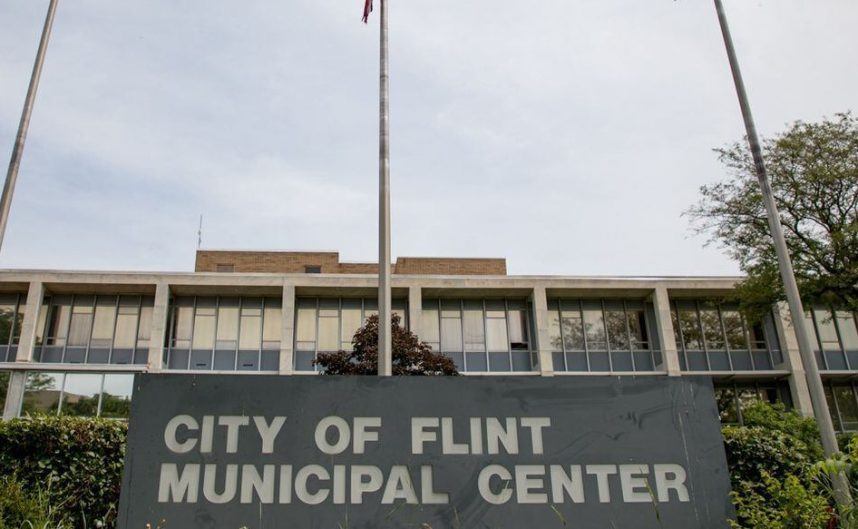
City of Flint Municipal Center
The City of Flint Municipal Center, pictured above. A local business was raided recently by Michigan authorities for alleged gambling. (Image: MLive.com)

In Flint, Mich., two men were charged earlier this month with running a gambling operation without a license, two counts of using computers to commit a crime, and a count of maintaining a gambling house for gain.

The suspects, Linos Antonio Kas-Mikha, 52, of Grand Blanc, Mich., and Robert Jamerson, 55, of Saginaw, Mich. were arrested last month after authorities raided a storefront business where the two reportedly operated 11 slot machines. Authorities also found 13 computers, which were used to operate the games.

Other properties linked to the men have been raided previously by authorities as part of investigations into illegal gambling.

Holding those who choose to break the law and run alleged illegal gambling operations accountable for their actions is paramount to ensuring the safety and integrity of our neighborhoods,” Michigan Gaming Control Board Executive Director Henry Williams recently said in a statement following the latest raid.

“By enforcing strict regulations and prosecuting offenders, we strive to maintain a gaming environment that is not only enjoyable, but also adheres to the principles of fairness, legality, and community safety.”

$30K Seized in California

Across the country in Modesto, California, authorities raided an illegal gambling operation last week.

The court-ordered search led to the seizure of more than $30K in cash and 17 gambling machines. Two unnamed men were charged.

The raid was linked to the investigation of illegal gambling at a convenience store and at other local businesses, as well as at a Modesto residence.

Ohio Gambling Den

In another case, an internet cafe in Dayton, Ohio was raided earlier this month for alleged illegal gambling.

Local police searched Lucky Day Internet Cafe following an undercover operation there, according to Ohio TV station WHIO.

Police seized several gambling machines and an unspecified amount of cash from the business. Criminal charges are likely.

$31K Seized, Arrests in Texas

In a separate raid in Corpus Christi, Texas, last month, authorities seized about $31K in cash from an illegal gambling operation at the El Patron Sweepstakes Gameroom, according to Texas TV station KRIS.

Police also seized 90 items associated with gambling.

Andria Thompson, 34, was charged with gambling promotion, possession of a gambling device, keeping a gambling place, and engaging in organized criminal activity. Twenty-three people identified as customers of the operation were issued citations.

The post Illegal Gambling Operations Raided in Four States as Part of Continuing Crackdown appeared first on Casino.org.