Sweden’s Online Gambling Channelization Rate Reaches 86% in 2023

Sweden-channelisation-rate-at-86_-according-to-Spelinspektionen-reportThe Swedish gambling regulator Spelinspektionen has announced that the country’s channelization rate for the online gambling market has reached 86% for 2023, reflecting an improvement over the 77% recorded the previous year. This figure exceeds the forecasts made by several operators, including Aktiebolaget Trav och Galopp (ATG), which had predicted the rate would fall between 69% and 82%.

Channelization: Progress and Challenges

Channelization refers to the percentage of players who participate in gambling through licensed, regulated operators. A high channelization rate indicates more players opting for legal platforms over unlicensed, offshore options. However, even with the rise to 86%, Spelinspektionen faces challenges from unregulated markets. The regulator estimates that unlicensed sites generated SEK2.5 billion (€220.2 million) in 2023 compared to SEK17.3 billion for licensed operators. This figure, however, assumes equal betting amounts on licensed and unlicensed platforms, a variable Spelinspektionen admits could differ.

Data gathered from surveys of 4,000 Swedish players between June and July 2023 was instrumental in determining the channelization rate. Among the respondents, 97% reported gambling with a licensed operator in their most recent session, while 83% of total wagers were placed on regulated websites.

Licensed platforms dominated the sports betting sector, attracting 99% of players and 97% of wagers. However, the online casino sector saw lower rates, with 96% of players using licensed websites and 79% of total wagers placed on these platforms.

Skin Betting and the Black Market

While overall channelization improved, the growing issue of skin betting—using in-game virtual items as currency for illegal gambling—remains a concern for Spelinspektionen. When including skin betting in the data, licensed gambling visits represented only 73%, a drop from 84% when excluding this form of betting. In fact, 49% of all visits to unlicensed websites involved skin betting.

Efforts to curb black market activity remain critical, as Spelinspektionen reported that 24% of visits to unlicensed gambling sites were tied to commercial online gaming, while 20% were related to online gambling. The regulator aims to further understand the factors driving players to these platforms.

Mixed Estimates from Operators and External Data

Other figures have also provided varying estimates of Sweden’s channelization. For instance, data from H2 Gambling Capital suggested a higher rate of 92% for 2023. H2 also reported that 93% of online betting turnover came from licensed platforms, with online casinos recording a slightly lower rate of 87%. This data offers a more optimistic outlook compared to the regulator’s figures, but it underscores the complexity of assessing channelization due to differing methodologies.

Meanwhile, reports from the Swedish Trade Association for Online Gambling (BOS) have been critical of the country’s current regulatory framework, which they argue limits the competitiveness of licensed operators. According to BOS, channelization for the overall market stood at 77%, and even lower—at 72%—for the online gambling sector. Some operators, including ATG, believe the actual channelization rate may be even lower, suggesting it could be between 57% and 72% for certain segments of the market.

Regulatory Response and Looking Ahead

Despite the ongoing challenges, Spelinspektionen remains focused on ensuring that Sweden’s licensed gambling market continues to capture a larger share of activity. However, the regulator acknowledged that the 86% rate could potentially be lower, depending on differences in player spending on licensed versus unlicensed sites. If turnover per visit is significantly higher on unlicensed platforms, the rate could drop as low as 78%.

Camilla Rosenberg, Spelinspektionen’s director general, emphasized the importance of diverse methodologies in assessing channelization. In a translated statement, she noted, “The results show that the degree of channeling varies depending on the method and form of play. The SGA believes there are four different indicators that together can give a picture of the degree of channelization.”

Spelinspektionen continues to monitor the impact of unlicensed operators and hopes to study the black market further to understand its growing influence. As the regulator collects more data for 2024, it aims to solidify the progress made in channeling Sweden’s gambling market and reducing the reach of unregulated platforms.

Source:

Redovisning Av Uppdrag Fi2023_03130: Den Offentliga Kontrollen Over Spelmarknaden, Spelinspektionen [pdf], October 2024.

The post Sweden’s Online Gambling Channelization Rate Reaches 86% in 2023 appeared first on Casino News Daily.

Colombia’s Online Gambling Industry Fuels Economic Growth in Q2 2024

Colombia-government-credits-online-gambling-for-supporting-GDP-growth-in-Q2Colombia’s online gambling industry has emerged as a significant driver of economic growth in the second quarter of 2024, contributing to a 2.1% increase in the country’s Gross Domestic Product (GDP). The National Administrative Department of Statistics (DANE) identified online gambling as one of the key activities behind this economic upswing, highlighting the sector’s growing influence on the nation’s financial health.
Online Gambling’s Impact on GDP Growth

The recent report from DANE underscored the vital role of online gambling in bolstering Colombia’s economy, particularly through its association with major sporting events. Piedad Urdinola, DANE’s director, emphasized that the surge in online betting was largely driven by popular sporting events, such as the Copa América, where the Colombian national team made it to the final. This surge in sports-related betting activity has been credited with significantly boosting the overall performance of the iGaming sector.

In the second quarter alone, Colombia’s online gambling market generated a staggering COP10 billion (approximately $2.5 billion). According to Marco Emilio Hincapié, president of the Colombian gambling regulator Coljuegos, sports betting accounted for nearly half (47%) of the total gross gaming revenue (GGR) during this period. The success of the sector reflects a combination of well-regulated markets and strategic advancements that have effectively curbed illegal gambling operations.

Health Sector Benefits from Gambling Revenue

The growth of online gambling in Colombia has also translated into substantial benefits for the country’s health sector. Hincapié reported that, to date, online betting has generated nearly COP231.3 million (around $58 million) in revenues allocated to healthcare. This figure represents a 20% increase in monopoly revenues paid to Coljuegos compared to the previous year, underscoring the sector’s expanding contribution to public welfare.

Colombia was the first country in Latin America to regulate iGaming, a milestone achieved with the enactment of the Egaming Act in 2016. This legislation allowed for the legal operation of both online casinos and sports betting, subjecting operators to a tax rate of 15% of GGR for those with a return-to-player (RTP) rate of 83%, and 17% for operators exceeding this RTP threshold.

Future Outlook and Continued Innovation

The positive impact of the online gambling sector on Colombia’s economy and health system has encouraged regulatory bodies to pursue further innovations. Hincapié expressed optimism about the future of the industry, stating that if current trends continue, the total collection from gambling activities could exceed $1 billion by the end of the year. This would surpass initial projections and provide even more resources for public health and scientific research.

In addition to sports betting, other localized games such as bingo and casino games also contributed significantly, accounting for 33% of the GGR. Lottery games like AstroSport and Baloto added another 13% and 7%, respectively, to the revenue mix.

Hincapié concluded by reaffirming Coljuegos’ commitment to maintaining the growth trajectory of the gambling sector through ongoing regulation and innovation. By fostering a well-regulated environment, the industry aims to generate more jobs, stimulate economic activity, and continue to provide valuable financial support to vital public sectors such as health and research.

Source:

“Colombia government credits online gambling for supporting GDP growth in Q2”. iGaming Business. August 20, 2024.

The post Colombia’s Online Gambling Industry Fuels Economic Growth in Q2 2024 appeared first on Casino News Daily.

Nebraska Online Sports Betting Bill Advances, Odds Remain Long

Legislation to expand gambling in Nebraska to allow online sports betting advanced out of committee on Monday during the legislature’s special session.

Nebraska online sports betting
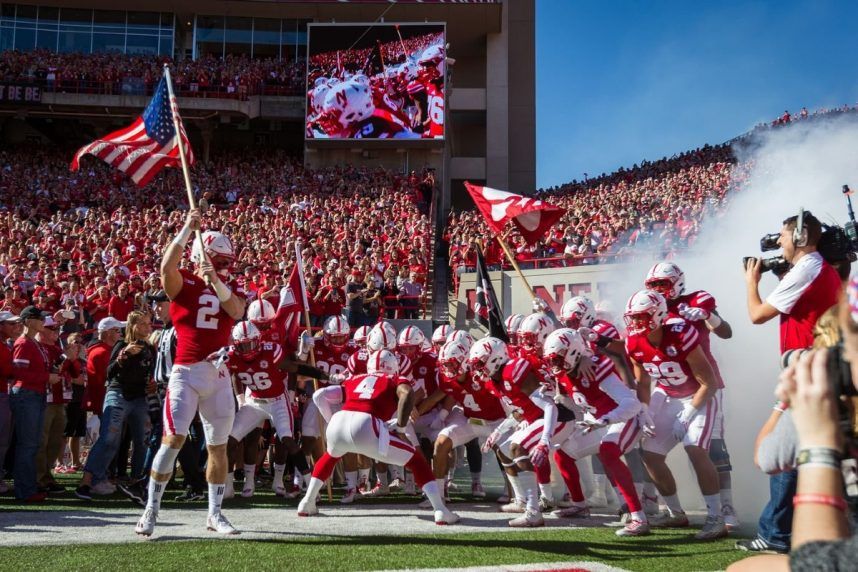
Nebraska’s beloved Cornhuskers football program kicks off its 2024-25 season on August 31. Nebraska sports betting remains limited to retail sportsbooks at casinos. (Image: Getty)

The Unicameral General Affairs Committee passed LR3CA by a 5-2 vote on the 10th day of the special legislative session. Lawmakers were called back to the Lincoln capital by Gov. Jim Pillen (R) to come up with ways to reduce property taxes.

LR3CA is a proposed legislative referendum. For the 49 elected senators in Nebraska to authorize online sports betting, they must first gain electorate support to amend the state constitution to allow such gambling.

LR3CA seeks to ask Nebraskans during the November 5 presidential election if they wish to further expand gambling in the Cornhusker State. The gaming question would come four years after Nebraska voters approved three ballot referendums that legalized commercial casino gambling at horse racetracks and provided a regulatory framework for slot machines, table games, and in-person sports betting.

Referendum Bid Finds Support

LR3CA was filed by Sen. Eliot Bostar (D-Lincoln). Bostar says it’s time Nebraska reap the tax benefits of the many Nebraskans who are already betting on sports online, whether it be in neighboring states that offer legal, regulated internet sportsbooks or by gambling on illegal, offshore websites that cater to states that have limited gaming.

Bostar says allowing online sports betting and taking sportsbooks’ gross revenue at 20% would deliver Nebraska more than $30 million a year in new revenue. That money, his LR3CA proposes, could be directed to the Property Tax Credit Cash Fund.

During the committee’s deliberation of the referendum statute, General Affairs members voted to retain control over whether Nebraska becomes an online sports betting state upon a successful referendum. While Bostar’s initial draft sought to require the legislature to pass regulatory conditions to allow online sportsbooks should the public back the ballot question, the bill was reworked to allow — not require — the lawmaking body to authorize internet sportsbooks.

It keeps power in the hands of the legislature, allows voters to speak on it, and then lets the legislature decide,” said amendment sponsor Sen. John Cavanaugh (D-Omaha).

Under Nebraska’s current gaming laws, sports bets can only be made in person at one of the state’s brick-and-mortar commercial casinos.

Long Odds

Online sports betting’s forecasted $32 million a year tax windfall wouldn’t do much to offset the $5.3 billion in property taxes the state collected from property owners last year.

The legislature is instead focusing on avenues that could significantly help homeowners during the special session. Pillen has suggested that lawmakers send him bills that trim the state government’s spending and eliminate more than 100 tax exemptions that could generate $350 million annually for the state.

Online sports betting is expected to take a back seat, the Lincoln Journal Star reports. Unless lawmakers decide to act on the Bostar bill and it finds majority support in the chamber, Nebraskans won’t be asked about online sports betting until at least November 2026, as the state only permits statewide ballot referendums during even-numbered years.

The post Nebraska Online Sports Betting Bill Advances, Odds Remain Long appeared first on Casino.org.

Nebraska’s Online Sports Betting Expansion Faces Opposition

Nebraska-leaders-voice-opposition-to-online-sports-betting-expansionIn Nebraska, the conversation about expanding online sports betting has reached a critical juncture, as notable state figures, including former football coach Tom Osborne, articulate their opposition. This discussion aligns with the state’s contemplation of two constitutional amendments that would permit voters to decide on online mobile sports wagering in the upcoming November ballot.

Voices of Concern Against Online Betting

Osborne, along with other prominent figures such as former Governor Kay Orr, U.S. Senator Pete Ricketts, and State Auditor Mike Foley, has publicly expressed concerns regarding the potential social costs of expanding gambling. In a collective statement, they cautioned lawmakers about the economic and social repercussions, particularly highlighting the risks of increased gambling addiction among the youth. “I see this being very dangerous, particularly for young people,” Osborne stated, asserting, “I can guarantee you there will be increased addiction and increased costs.”

Economic Arguments for Expansion

Contrasting Osborne’s apprehensions, State Senator Eliot Bostar advocates for the expansion, arguing that Nebraska is forfeiting significant revenue to neighboring states, notably Iowa. Bostar, who introduced the constitutional amendment LR 3, claims that Nebraska is losing approximately $32 million annually. He proposes that this money could instead be utilized to reduce property taxes within the state. “Nebraska is giving them a tremendous amount of money. I think we should keep that. I think we should use that money to lower property taxes,” Bostar emphasized.

A recent industry-conducted poll supports Bostar’s position, indicating that 65% of respondents favor online sports wagering if the generated revenue aids in property tax relief. Lance Morgan of Ho-Chunk noted, “This is new tax revenue. It’s not a shift. Although we’re shifting from Iowa which is going to lose $100 million.”

Technical Insights and Public Sentiment

Supporting the economic argument, Danny DiRienzo from GeoComply shared data reflecting half a million bets placed just across the border in Iowa, likely by Nebraskans. This statistic underscores the prevalence of cross-border betting and the potential retention of these funds within Nebraska if online betting were legalized.

Governor Jim Pillen has suggested that the decision on online sports betting should be left to voters, although he acknowledges the concerns raised by his former coach and other opposition figures. “Promoting online sports betting will not result in a net benefit in Nebraska taxpayers,” Osborne concluded.

Legislative and Public Debate Continues

As Nebraska lawmakers continue to debate the proposed legislation during special sessions focused on reducing state property taxes, the outcome remains uncertain. No definitive actions were taken during the recent hearings, but the dialogue reflects a significant divide between economic benefits and social risks associated with online sports betting.

Whether Nebraska will join the growing number of states embracing online sports betting or heed the cautionary advice of its notable figures is yet to be seen. The decision will likely resonate far beyond the November ballot, shaping the state’s economic landscape and social policies.

Source:

Nebraska leaders voice opposition to online sports betting expansion, ketv.com, August 1, 2024.

The post Nebraska’s Online Sports Betting Expansion Faces Opposition appeared first on Casino News Daily.

Brazil’s New Online Gaming Ordinance Sets the Stage for Regulation

Latest-ordinance-in-Brazil-gives-green-light-to-online-gamesBrazil is on the brink of a significant transformation in its online gaming landscape, thanks to the recently published Normative Ordinance No. 1,207 in the Official Gazette of the Union. Released on Wednesday, July 31, the ordinance establishes a comprehensive framework of technical requirements for online gaming platforms seeking a betting license in Brazil. As the initial 90-day window for license applications draws to a close, the ordinance provides clarity for operators eager to enter the Brazilian market.

Despite the approaching deadline, only five applications have been submitted so far, but industry experts anticipate a surge in interest now that the rules have been finalized. Hugo Baungartner, CCO of Aposta Ganha, remarked that this ordinance is expected to “be the catalyst for the majority of operators to apply.”

Key Regulations for Online Gaming

The Prizes and Betting Secretariat (SPA) has been rolling out regulations since April, with a four-phase rollout concluding at the end of July. Among the new regulations, credit cards and cryptocurrency have been banned for wagering, and a 15% tax will be imposed on player winnings over BRL 2,824 (approximately $547.25).

Normative Ordinance No. 1,207 allows a variety of games, including online slots, card games like blackjack and poker, roulette, and crash games. However, all games must adhere to strict guidelines. Crash games, for instance, must be entirely random and not offer prizes based on skill. The rules stipulate that the prize multiplier’s maximum and minimum values must be clearly displayed, along with the frequency of increases.

The ordinance also sets a minimum Return to Player (RTP) rate of 85% for each game, ensuring that the advertised top prize can be won at least once in 100 million plays. Notably, the Fortune Tiger game, despite recent controversies involving social media promotions, is allowed under the new regulations.

Focus on Security and Player Protection

The ordinance emphasizes the need for strict security measures and responsible gambling practices. Game providers must obtain official certification from an SPA-recognized entity, ensuring that their games meet all technical and safety standards. Certification must be revalidated whenever “critical components” are changed, and operators using third-party platforms must present an integration certificate.

To ensure fair play, all game outcomes must be determined by random events. Online gaming platforms are required to provide a detailed payout table showing all potential winning combinations before players place bets. The tables must be transparent and fair, avoiding misleading information.

Live gaming studios must have a designated location with robust physical security controls. The ordinance mandates continuous surveillance with unobstructed views of all live games, and the footage must be retained for at least 90 days to ensure compliance with rules and procedures.

Thiago Balieiro, vice-president of people and performance at Sorte Online, highlighted the industry’s commitment to responsible gaming, stating that companies are focusing on “anti-money laundering programs” and “prevention of addiction to gaming.” He added, “There are a lot of structures, and I think the regulation is really focusing on this to avoid all the problems that gaming addiction can cause in the population.”.

Source:

Latest ordinance in Brazil gives green light to online games, igamingbusiness.com, August 1, 2024.

The post Brazil’s New Online Gaming Ordinance Sets the Stage for Regulation appeared first on Casino News Daily.