Colorado State Attorneys Ask Federal Court to Toss Tribal Sports Betting Lawsuit

State attorneys in Colorado have asked a federal court to dismiss a lawsuit filed by two federally recognized tribes challenging how sports betting was rolled out in The Centennial State.
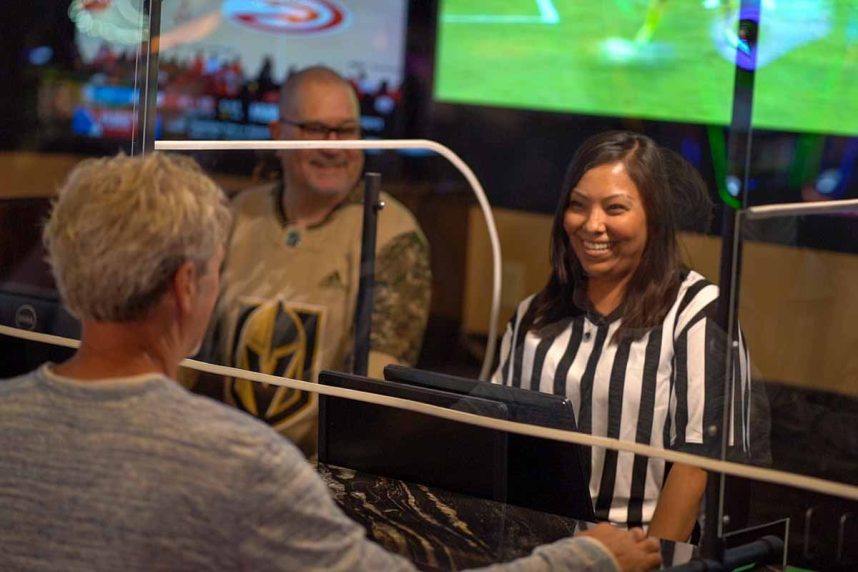
Colorado sports betting Ute tribes
A patron at the Ute Mountain Casino Hotel Sportsbook places a wager. The Ute Mountain Ute and Southern Ute Indian tribes have sued the state of Colorado for how online sports betting debuted. (Image: Ute Mountain Casino Hotel)

In July, the Southern Ute Indian Tribe filed a lawsuit in Colorado’s US District Court on claims that the state and Gov. Jared Polis (D) failed to negotiate in good faith as required by the federal Indian Gaming Regulatory Act (IGRA). The Ute Mountain Ute Tribe joined the case in September.

The lawsuit challenges how Polis and the Colorado Division of Gaming finalized the state’s sports betting regulations after voters authorized sports gambling during a 2019 statewide referendum.

“The Tribes’ position is substantively incorrect,” the state’s filing read. “However, this Court need not address the merits of this case because it lacks subject matter jurisdiction over the Tribes’ claims and the Tribes fail to state a claim.”

The tribes allege they were kept in the dark about the state deciding not to expand their Class III gaming compacts to include online sports betting. The sovereign nations say they received cease-and-desist letters from the state gaming agency in June 2020 — a month after commercial mobile sportsbooks went live — ordering them to yank their online sports betting platforms. 

State Seeks Dismissal

When Colorado’s online sportsbooks regulated by the Gaming Division took their first wagers in May 2020, so did the mobile Sky Ute Sportsbook. The following month, as the Ute Mountain Ute Tribe was readying to launch its mobile sports wagering operation, the state threatened to revoke the operator licenses of the tribes’ sportsbook partners, US Bookmaking and IGT.

The state told the tribes that while their Class III gaming compacts expanded to include retail sports betting privileges following the 2019 referendum, the constitutional amendment didn’t expand tribal gaming to the internet.

As the Tribes argue that they have a sovereignty interest in their right to control gaming on Indian lands, so too does the State possess a sovereignty interest in the ability to regulate sports betting in Colorado,” the motion to dismiss continued.

The tribes believe the state wants to reap as much revenue from sports betting as possible. And since their Class III gaming compacts don’t include revenue-sharing provisions, a rarity among states that have entered into compacts with their tribal nations, allowing online tribal sportsbooks would presumably cut into the state’s windfall.

State officials told the tribes that they could only operate online sportsbooks if they agreed to share 10% of the sports betting revenue with the state. Another condition was agreeing to have their online sports betting platforms regulated by the Gaming Division.

The tribes say they tried to engage in discussions with the state before the rollout of online commercial sportsbooks but those requests went unfulfilled.

The Sky Ute Casino Resort shuttered its retail sportsbook in July 2023 after determining the operation to be unfruitful. A retail book remains at the Ute Mountain Casino Hotel.

Seminole Repercussions

The crux of the Colorado tribes’ lawsuit seems to hang on a recent federal ruling in Florida that concluded the Seminole Tribe’s running of an online sportsbook doesn’t violate the IGRA so long as the tribe’s internet sportsbook computer servers remain on the tribe’s sovereign land.

The Southern Ute and Ute Mountain Ute tribes seek financial damages and for the court to declare that their compacts provide online sportsbook privileges.

The post Colorado State Attorneys Ask Federal Court to Toss Tribal Sports Betting Lawsuit appeared first on Casino.org.
California Tribal Casino Debuts Kid-Friendly Ninja Course and Trampoline Park

A California tribal casino some 70 air miles southeast of Sacramento in Tuolumne is making a big bet on keeping its resort bustling in 2024 with more family-friendly draws.

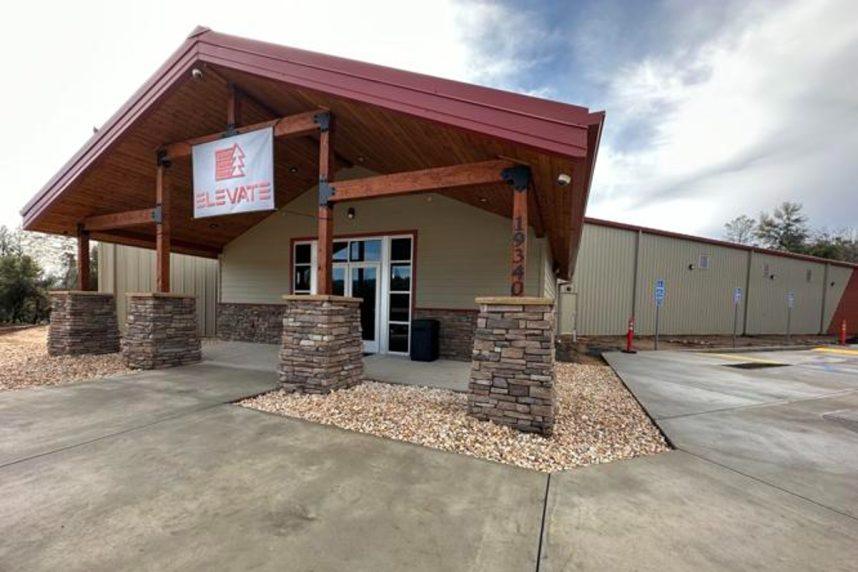
California tribal casino Black Oak
Elevate is a new standalone family-friendly entertainment center located at the Black Oak Casino Resort in California. The facility brings an array of new kid-appropriate fun to the destination southeast of Sacramento. (Image: The Union Democrat)

The Black Oak Casino Resort is owned and operated by the Tuolumne Band of Me-Wuk Indians. Ahead of the Christmas and New Year’s holidays, the tribe opened its casino’s newest attraction — a 20,000-square-foot family fun center called “Elevate.”

The facility provides entertainment for all ages. Guests can tackle a ninja warrior course, jump around on an indoor trampoline park, play dodgeball, throw axes, golf on indoor simulators, and perform high-flying slam dunks.

Elevate officially opened its doors on Dec. 20. The facility is open 2 p.m. to 9 p.m. Wednesday through Friday and 11 a.m. to 9 p.m. on the weekend.

We aim to provide a fun entertainment experience that elevates the entire family,” a statement from the tribal casino read. “A place where not only visitors but our local community of all ages can come together and experience family fun.”

Tuolumne County residents with proof of residency receive a 10% discount on admission to Elevate. For non-residents, the family-friendly attraction offers an array of passes. A 90-minute “jump pass” to the trampoline area starts at $23 for guests aged seven and older. Guests aged six and under get in for $18.

Added Reasons to Visit

Like so many casinos across the country, Black Oak is presumably trying to add destination value by way of non-gaming amenities, as casinos continue to spread in the US and legal gaming outlets are more widely available. The Black Oak property is the primary economic engine of the tribe, which operates slot machines and table games through a Class III Indian gaming compact with the State of California.

Black Oak opened in 2001 with slots and a small restaurant. It’s undergone significant expansions since, with the resort today offering nearly 1,200 slots and 22 table games on a 50,000-square-foot casino floor. About 325 machines are located on a smoke-free second floor that measures around 11,000 square feet.

Elevate isn’t the tribe’s first non-gaming investment in the resort.

Along with its 18-hole championship golf course that it purchased in 2019, the Black Oak Casino Resort in January 2005 opened a 53,000-square-foot “Family Fun Floor.” The facility features a 24-lane bowling alley and an arcade.

Resort Expansion Planned

The Tuolumne Band of Me-Wuk Indians has plans to further expand its casino resort. Though the tribe is for now staying mum on specifics, tribal leaders say the investments will include upgrades and expansions to the current resort.

Along with the aforementioned gaming and entertainment, Black Oak features a 148-room hotel with five full-serve restaurants, plus a convention and event center. An accompanying 85-space RV park has full power capabilities with restrooms and showers, a dog park, and a catch-and-release fishing pond.

The Black Oak RV park is a popular stop for recreational motorists, as the resort borders Yosemite National Park and Gold Country.

The post California Tribal Casino Debuts Kid-Friendly Ninja Course and Trampoline Park appeared first on Casino.org.

IGA and CNIGA Tribal Gaming Seminar HIghlights from ICE London

iga_and_cniga_tribal_gaming_seminar_hIghlights_from_ice_londonThe Indian Gaming Association and Pechanga.net of America presented a Tribal Gaming Seminar at ICE in London last week. One of the presentations to attendees focused on learning lessons from recent attempts, failures, and successful launches of online casino gaming and sports betting in the U.S.


This was done in light of what legacy gaming providers such as tribal operators are willing to participate in as far as regulatory models and to demonstrate the evolving attitudes of tribal operators looking for a win-win situation with other stakeholders.

The seminar outline suggests that new operators need to secure the cooperation of current stakeholders in the gambling industry before launching products in those states, some of them large and potentially very lucrative, like California where the Pechanga Band of Indians operates Pechanga Resort Casino near Temecula, California. The casino is one of the largest resort casinos in America with over 5,400 slot machines and about 200,000 sq ft of gaming space.

Tribal and Commercial Propositioned Both Failed in November

Two separate ballot propositions for sports betting failed to pass in California during the last regular election when residents were asked whether or not they wanted online betting – a positive result could have eventually led to online casino regulation as well. One of the propositions was backed by commercial operators and the other one was primarily backed by the state’s tribes.

Commercial global brands were unable to push their referendums across the finish line, largely due to a lack of understanding about the tribes’ unique positions in the markets as well as the political clout they heft, along with the revenue goals the legacy operators seek for their constituents – the tribal members.

The synopsis stated that the tribes are not opposed to innovation, modernization, and expansion into new verticals and channels as long as it doesn’t threaten their future participation and involvement in them.

According to an in-depth report on CDC Gaming Reports, when asked how he expects online gaming to change over the next two years, Mark Macarro, Pechanga Band of Indians Chairman, told listeners at the seminar that iGaming is inevitable in the state of California and that Millennials are driving the new gaming channels.

I think there’s a demographic proclivity to want to play online. It doesn’t exist right now with the Baby Boomers and Gen X. But Millennials are different players and we’re not sure that slot machines will be what they want to play”, he said.

Not in my Backyard Unless I Play Too

Macarro was joined on the panel by California Nations Indian Gaming Association (CNIGA) chairman James Siva. The CNIGA chairman was also of the opinion that the commercial betting bill was rejected because voters expected the commercial interests to cooperate with tribal gaming interests in the state.

Siva enumerated the number of tribal gaming interests in the US at 270 and noted that 70 of those tribes’ locations are within the state’s borders.

Tribal gaming represents about a quarter of all gaming revenue in the US and 44% of that occurs in California, according to Siva.

So you break that down and that means that California tribes represent nearly a tenth of the entire gaming market of the U.S. Commercial, tribal, everything”.

He noted that perhaps cooperation or diplomacy may have been a more successful tactic than steamrolling, per see.

Either they massively underestimated the size and reach of those tribes, both politically and financially, or they maybe had bad campaign consultants”, he said.

Panelists Agree Tribal/Commercial Partnerships may be way Forward.

I think there’s still a path for tribes and the commercial operators to work together, but it’s going to be a path and relationship that’s decided by the tribes. This isn’t the first time we’ve had commercial entities want a seat at the table as equal to tribes”, Siva said.

This need for commercial entities to respect the sovereignty of the California tribes and negotiate with them for access to California, as they would with legislators and regulators in other states, was reiterated by Macarro, who promised that the tribes would always counter non-diplomatic attempts to launch in the state

Among the things we learned is that if you have two similar-sounding measures in front of the voters on the same ballot, they will get confused and vote no”, he said.

So if nothing else changes from the corporates, if they make another run at this without doing a lot of the stuff we talked about as being necessary to be successful, it’ll be regarded as hostile by the tribes. And all we would have to do is put another ballot on the initiative. Confuse the voters, they’ll vote no, and both will go down in flames again”, he said.

Source: ICE London: Tribes tout igaming as ‘inevitable’ future of gambling in California, CDC Gaming Reports, February 8, 2023

The post IGA and CNIGA Tribal Gaming Seminar HIghlights from ICE London appeared first on Casino News Daily.