Federal Appeals Court Rules in Favor of Xpoint, Upholding Dismissal of GeoComply Patent Claim

US-Court-of-Appeals-for-the-Federal-Circuit-rules-in-favour-of-Xpoint-against-GeoComplyIn a significant ruling, the U.S. Court of Appeals for the Federal Circuit has upheld the dismissal of a patent infringement case brought by geolocation service provider GeoComply against its competitor, Xpoint. The dispute centered on allegations that Xpoint infringed on a GeoComply patent for a “geolocation engine,” which verifies a user’s physical location, essential for compliance in the U.S. online gaming market. This ruling, affirming the earlier decision by the Delaware District Court, allows Xpoint to continue expanding its presence in the geolocation technology sector.

GeoComply’s original lawsuit claimed that Xpoint’s services infringed upon its patented technology, asserting that Xpoint unlawfully replicated its methods for preventing location spoofing—a technique commonly used to bypass location restrictions on gambling platforms. The Delaware District Court had initially ruled against GeoComply, determining that the patent lacked the “inventive concept” necessary to uphold patent protection. Judge William C. Bryson’s dismissal emphasized that GeoComply’s approach relied on conventional programming methods and therefore did not meet the standards set by the Alice Corp. v. CLS Bank International decision for patent eligibility.

Court Finds GeoComply Patent Unqualified for Protection

The court’s decision centered on the two-step “Alice test,” a framework established by the 2014 Alice decision. This test first assesses if a patent embodies an abstract idea and, if so, examines whether it contains enough innovation to warrant protection. Judge Bryson ruled that GeoComply’s process of tracking device location fell short of this standard, citing it as an abstract concept applied through conventional geolocation techniques without substantial innovation. Consequently, the court determined GeoComply’s patent claims to be “meritless” and barred further litigation on these grounds.

Following this decision, Xpoint celebrated the outcome as a win for open-market competition in the geolocation industry. “We are pleased the court has ruled in our favor, affirming what we have maintained from the start: Xpoint has conducted its business legally and appropriately, and GeoComply has attempted to restrict competition through a patent that is invalid under U.S. law,” stated an Xpoint spokesperson. The company highlighted that this ruling underlines their commitment to fostering a competitive environment, stating that no single company should monopolize essential geolocation services.

GeoComply, however, expressed disappointment with the court’s judgment. The company emphasized its commitment to innovation, noting that its suite of products extends beyond a single patent. “Our cutting-edge suite of solutions has never been about a single patent; they are the result of our decade-plus experience, the expertise of our team, and our unrelenting focus on customer success,” GeoComply stated, emphasizing that it would continue to advance in the industry despite the unfavorable ruling.

Broader Implications for the Geolocation Industry

Xpoint’s victory in this legal dispute arrives at a time of expansion for the company, which has recently broadened its operations in the United States, securing licenses in 12 states and the District of Columbia earlier this year. This ruling strengthens Xpoint’s position as a competitive alternative to GeoComply in the geolocation compliance sector. The company stated that it would leverage this momentum to “pursue opportunities to create choice for gaming operators and improve the health of the industry,” further asserting its role in advancing geolocation technology.

GeoComply, well-established within the industry, provides compliance solutions to major platforms such as DraftKings and FanDuel, processing over 1.2 billion transactions each month. The company maintains a strong focus on reliability and scalability, with a claimed uptime exceeding 99.99% and a pass rate of over 99%. Despite the court’s decision, GeoComply remains resolute in its belief that its intellectual property warrants protection. “We respect the judicial process, but we stand firm in our belief that this specific innovation within our groundbreaking technology deserves protection from improper infringement,” the company stated, reaffirming its commitment to fair competition and innovation in the market.

This legal outcome reinforces the Federal Circuit’s stance on the strict application of the Alice test to patent claims involving digital processes. The decision signifies a notable precedent for the gaming industry’s geolocation services, potentially influencing how future patents in this domain are assessed. For now, Xpoint’s victory allows it to continue expanding its services and delivering cutting-edge solutions within the competitive geolocation technology space.

Source:

U.S. Court of Appeals for the Federal Circuit Rules in Favour of Xpoint Against GeoComply gamblinginsider.com, November 13, 2024.

The post Federal Appeals Court Rules in Favor of Xpoint, Upholding Dismissal of GeoComply Patent Claim appeared first on Casino News Daily.
Colorado State Attorneys Ask Federal Court to Toss Tribal Sports Betting Lawsuit

State attorneys in Colorado have asked a federal court to dismiss a lawsuit filed by two federally recognized tribes challenging how sports betting was rolled out in The Centennial State.

Colorado sports betting Ute tribes
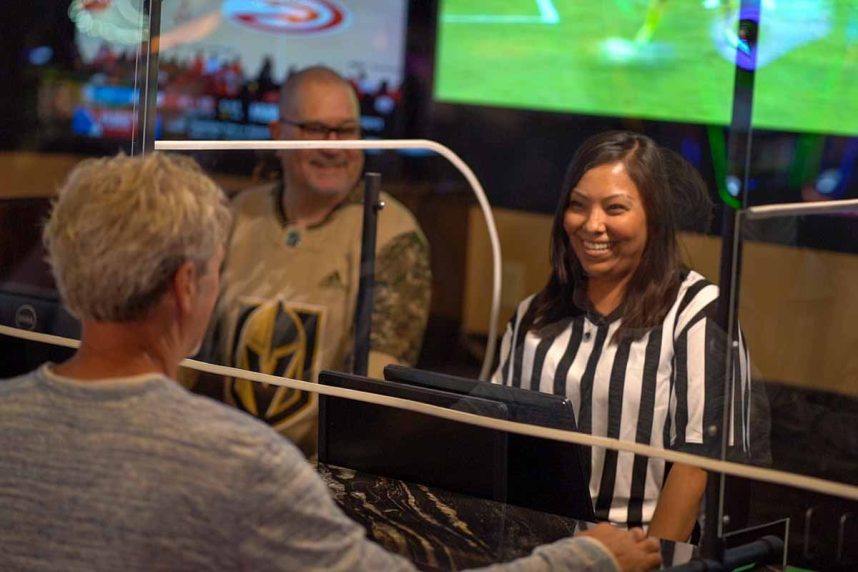
A patron at the Ute Mountain Casino Hotel Sportsbook places a wager. The Ute Mountain Ute and Southern Ute Indian tribes have sued the state of Colorado for how online sports betting debuted. (Image: Ute Mountain Casino Hotel)

In July, the Southern Ute Indian Tribe filed a lawsuit in Colorado’s US District Court on claims that the state and Gov. Jared Polis (D) failed to negotiate in good faith as required by the federal Indian Gaming Regulatory Act (IGRA). The Ute Mountain Ute Tribe joined the case in September.

The lawsuit challenges how Polis and the Colorado Division of Gaming finalized the state’s sports betting regulations after voters authorized sports gambling during a 2019 statewide referendum.

“The Tribes’ position is substantively incorrect,” the state’s filing read. “However, this Court need not address the merits of this case because it lacks subject matter jurisdiction over the Tribes’ claims and the Tribes fail to state a claim.”

The tribes allege they were kept in the dark about the state deciding not to expand their Class III gaming compacts to include online sports betting. The sovereign nations say they received cease-and-desist letters from the state gaming agency in June 2020 — a month after commercial mobile sportsbooks went live — ordering them to yank their online sports betting platforms. 

State Seeks Dismissal

When Colorado’s online sportsbooks regulated by the Gaming Division took their first wagers in May 2020, so did the mobile Sky Ute Sportsbook. The following month, as the Ute Mountain Ute Tribe was readying to launch its mobile sports wagering operation, the state threatened to revoke the operator licenses of the tribes’ sportsbook partners, US Bookmaking and IGT.

The state told the tribes that while their Class III gaming compacts expanded to include retail sports betting privileges following the 2019 referendum, the constitutional amendment didn’t expand tribal gaming to the internet.

As the Tribes argue that they have a sovereignty interest in their right to control gaming on Indian lands, so too does the State possess a sovereignty interest in the ability to regulate sports betting in Colorado,” the motion to dismiss continued.

The tribes believe the state wants to reap as much revenue from sports betting as possible. And since their Class III gaming compacts don’t include revenue-sharing provisions, a rarity among states that have entered into compacts with their tribal nations, allowing online tribal sportsbooks would presumably cut into the state’s windfall.

State officials told the tribes that they could only operate online sportsbooks if they agreed to share 10% of the sports betting revenue with the state. Another condition was agreeing to have their online sports betting platforms regulated by the Gaming Division.

The tribes say they tried to engage in discussions with the state before the rollout of online commercial sportsbooks but those requests went unfulfilled.

The Sky Ute Casino Resort shuttered its retail sportsbook in July 2023 after determining the operation to be unfruitful. A retail book remains at the Ute Mountain Casino Hotel.

Seminole Repercussions

The crux of the Colorado tribes’ lawsuit seems to hang on a recent federal ruling in Florida that concluded the Seminole Tribe’s running of an online sportsbook doesn’t violate the IGRA so long as the tribe’s internet sportsbook computer servers remain on the tribe’s sovereign land.

The Southern Ute and Ute Mountain Ute tribes seek financial damages and for the court to declare that their compacts provide online sportsbook privileges.

The post Colorado State Attorneys Ask Federal Court to Toss Tribal Sports Betting Lawsuit appeared first on Casino.org.

Loterj Operators Secured by Court Ruling Amid Federal Betting Regulations

Brazil-court-confirms-Rio-Loterj-licensees-can-remain-active-without-a-federal-licenceIn response to new federal betting regulations, the Brazilian government implemented significant changes in September with the introduction of Normative Ordinance No 1,475. This ordinance allowed only operators who had already applied for a federal betting license and were actively operating to continue doing so until the official launch of the regulated market on January 1, 2025. The deadline for submitting license applications passed on September 30, prompting a wave of last-minute submissions from businesses hoping to remain compliant.
A total of 182 applications were submitted via Brazil’s Sigap betting management system by the deadline. However, one submission, from Tecnologia e Desenvolvimento Ltda, was entered after the deadline, leaving it potentially vulnerable to the upcoming regulations.

Concerns Raised by State Lottery-Licensed Brands

The new federal rules sparked concerns among operators licensed under state lotteries like Loterj, the Rio de Janeiro State Lottery. These brands worried about their ability to continue operating beyond the October 1 deadline without a federal license. Fortunately for them, a ruling from Brazil’s Supreme Federal Court (STF) on October 1 provided a crucial exemption, protecting Loterj operators from the consequences of missing the federal deadline.

Federal judge Antônio Cláudio Macedo da Silva criticized the federal regulations for conflicting with Loterj’s Accreditation Notice 001/2023. This notice, which permits accredited entities to operate public lottery services for up to five years, was deemed incompatible with the federal ordinances regarding the advertisement and banning of unlicensed betting websites.

Loterj Operators Exempt from Federal Regulations

According to the court’s injunction, Loterj license holders retain “broad and unrestricted rights” to continue offering fixed-odds online betting. This exemption applies as long as their bettors are in Rio de Janeiro. The court found that the federal ordinances extended beyond the scope of federal jurisdiction and interfered with the regulatory authority of Brazil’s states. In his ruling, Judge Macedo da Silva stated that the ordinances violate Law No 13,756/2018, which supports the legality of previous legal acts, thus protecting Loterj operators from federal restrictions.

This decision was largely influenced by a previous ruling in 2020 that declared the federal monopoly on lotteries unconstitutional. The ruling permitted individual states and federal districts to establish their own lotteries, subsequently allowing operators in states like Rio de Janeiro to run sports betting under state licenses.

Previous Court Decisions Shape the Current Landscape

The STF’s 2020 ruling had already set a precedent for state-run lotteries like Loterj, deeming the federal lottery monopoly unconstitutional. Sports betting, which falls under the broader category of lottery games in Federal Law No 13,756/2018, has since been allowed under Loterj state licenses. This gave operators within Rio de Janeiro and other regions like Paraná the ability to offer sports betting under local jurisdiction.

Local legal experts, including Eduardo Carvalhaes and Karen Coutinho from Lefosse, expressed confidence that state-licensed operators would remain unaffected by the new federal restrictions. They explained that operators authorized under state licenses, such as Loterj, should continue their operations unhindered, even as unlicensed betting sites face new federal limitations.

Federal Injunction Secures Loterj’s Rights

In the days leading up to October 1, Loterj filed a lawsuit in federal court to prevent the blocking or banning of sportsbooks authorized within Rio de Janeiro. This legal challenge, aimed at the Ministry of Finance’s Prizes and Betting Secretariat, sought to overturn federal Ordinances No 1,225, 1,231, and 1,475, which imposed strict rules on advertising and site operation for unlicensed operators.

Loterj argued that these ordinances interfered with its regulatory authority by blocking sportsbooks that had not applied for federal licenses. In its writ of mandamus, Loterj emphasized the legality and regularity of its licensees’ operations within Rio de Janeiro, asserting that the federal government lacked the authority to prevent these operators from advertising or continuing to offer services.

Judge Macedo da Silva sided with Loterj, issuing an injunction that suspended the effects of the federal ordinances within Rio de Janeiro. His ruling ensured that Loterj operators could continue offering fixed-odds betting online without the need for dual accreditation from the federal government.

The court’s decision also clarified that bettors must declare that all wagers are placed within the state of Rio de Janeiro for taxation and legal purposes. With this ruling, Loterj operators can continue advertising their services and sponsoring events across Brazil, free from the penalties imposed by federal regulations.

Source:

Loterj gets injunction in defense of ‘Bets’ operating in Rio without requesting a federal license“, gamesbras.com, October 1, 2024.

The post Loterj Operators Secured by Court Ruling Amid Federal Betting Regulations appeared first on Casino News Daily.

Arkansas Supreme Court to Soon Rule on Pope County Casino Case

The Arkansas Supreme Court is expected to soon render its decision regarding a referendum seeking to repeal a commercial casino license earmarked for Pope County.

Arkansas Supreme Court Pope casino
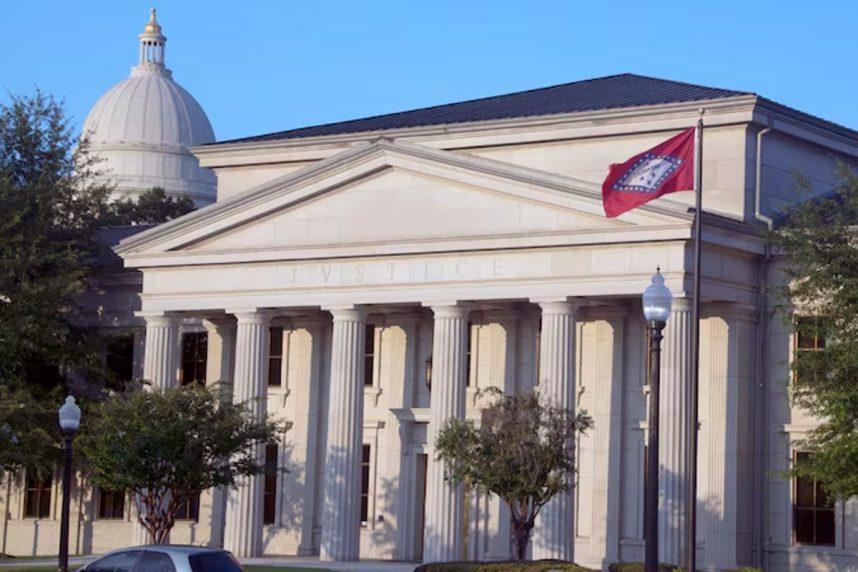
The Arkansas Supreme Court will soon decide if a referendum that would repeal a casino in Pope County will go before voters. Two tribes in Oklahoma are behind the legal fight. (Image: Supreme Court of Arkansas)

The state’s high court is slated to rule on an appeal from Cherokee Nation Entertainment challenging Issue 2. The referendum was certified in August by Arkansas Secretary of State John Thurston for the Nov. 5 ballot.

The Arkansas Supreme Court agreed to expedite its review of the Cherokee allegations since Nov. 5 is fast approaching. Early voting in Missouri begins two weeks before Election Day.

The next round of briefs are due by Sept. 26, and the court says it will issue its ruling soon after reviewing each side’s claims.

Lawsuit Allegations

In June, Cherokee Nation Entertainment was deemed the winner of the Pope County casino license after it was the only bidder that met the Arkansas Racing Commission’s guidelines that submissions be accompanied by either a letter of support from Pope County Judge Ben Cross or a resolution of support from the Pope County Quorum Court. Pope County was designated for a commercial casino through a statewide referendum in 2018 that authorized gambling in four counties.

However, Pope County voters voted against the 2018 referendum. The county was one of only 11 among the 75 counties in the state that voted against the casino question.

Local Voters in Charge, a campaign funded by the Choctaw Nation, which is seeking to protect its tribal casinos in Eastern Oklahoma, wants to repeal the Pope casino concession. The campaign believes casinos should only be allowed in counties that want them.

The Cherokee Nation alleges that Local Voters in Charge violated a slew of canvassing laws in going about collecting signatures to put the gaming question before voters this fall. Through its own campaign, the Arkansas Canvassing Compliance Committee, the Cherokees allege that Local Voters in Charge paid canvassers based on the number of signatures they collected, provided faulty registration addresses for workers, and didn’t properly certify canvassing captains.

Referendum Likely to Prevail 

Eighth Judicial Circuit Court Judge Randy Wright, the special master appointed to the case to expedite the high court’s review, wrote in his “Report and Findings of Fact” based on the preliminary briefs that much of the plaintiff’s allegations are meritless.

Wright’s review concluded that less than 6,000 signatures that Thurston’s office certified should be disqualified because of canvassing errors. That still leaves the total number of valid signatures at 110,234 — far more than the 90,704 needed to place the referendum on the 2024 ballot.

If the referendum is defeated or rejected by the Arkansas Supreme Court, Cherokee Nation Entertainment would be cleared to proceed with its $300 million project in Russellville called Legends Resort & Casino.

The casino plan calls for a gaming floor measuring 50,000 square feet with 1,200 slot machines, 32 live dealer table games, and a sportsbook. A 200-room hotel would be complemented by several restaurants and bars, 15,000 square feet of meeting and conference space, a resort pool, and an outdoor music venue.

Recent polling reveals that just 42% of likely voters said they’ll vote in favor of Issue 2, while 28% said they would vote against it and 30% were undecided.

The post Arkansas Supreme Court to Soon Rule on Pope County Casino Case appeared first on Casino.org.

UAW to Withdraw from AFL/CIO After Court Ruling on Atlantic City Casino Smoking

New-Jersey-Dealers-Union-Withdraws-from-AFLCIO-Over-Casino-Smoking-DecisionThe fallout from a court ruling allowing indoor smoking in Atlantic City casinos took a new turn on Wednesday, with the United Auto Workers (UAW) announcing plans to withdraw from New Jersey’s AFL-CIO. This decision comes after other unions, including Local 54 of UNITE HERE, supported the continuation of indoor smoking, much to the dismay of the UAW.


During a joint press conference held by Casino Employees Against Smoking Effects (CEASE), UAW Region 9 Director Dan Vicente expressed frustration over the court’s ruling, which dismissed a lawsuit aimed at halting indoor smoking in casinos. The group, which represents table game dealers and casino workers opposed to indoor smoking, had argued for an injunction based on public health concerns.

Union Conflict Over Smoking Legislation

The UAW’s decision to withdraw stems from their dissatisfaction with other unions that support the smoking exemption. Local 54 of UNITE HERE, representing casino employees in non-dealing roles, supports a compromise backed by the Casino Association of New Jersey, which allows smoking on 25% of the gaming floor but makes working in smoking areas voluntary.

Local 54 filed a brief opposing the lawsuit seeking to end the smoking exemption, leading to growing tension within the union community. New Jersey Governor Phil Murphy previously stated he would sign any bill that bans indoor smoking at casinos, but the legislature has yet to take up the issue.

Commenting that he will be pulling the UAW out of the AFL-CIO of New Jersey over this issue which he described as “moral, health, and safety issue”, Vicente announced as follows:

“I cannot express how furious our institution is at the Jersey state-level AFL and the other unions that filed an injunction status against us.”

The New Jersey Superior Court ruling on Friday, which supported the current exception in the 2006 Smoke-Free Air Act, allows casinos to maintain smoking on 25% of their gaming floors. The UAW had filed the lawsuit, arguing that workers had a constitutional right to breathe smoke-free air, but the judge ruled against this claim, stating that the “right to safety” was not well-established.

Moving Forward Amid Tensions

While Vicente remains determined to pursue the case at the state’s highest court, he acknowledged that legislative options are also being explored.

“We plan to escalate the situation in New Jersey. But understanding that this is an election year, we have a lot of national coverage right now in the union. … We plan to try to put as much pressure on the legislature as we can.”

The UAW’s decision to withdraw from the state AFL-CIO chapter marks a significant escalation in the fight against indoor smoking at Atlantic City casinos, with no resolution yet in sight.

Smoking Ban Efforts Continue

Despite the court ruling, efforts to pass a smoking ban continue. State Senator Joe Vitale, who chairs the Senate Health Committee, said he will push the bill to the Senate floor.

“This has been an effort over the years to try to right this wrong, and we’re getting closer and closer. We’re clearly very disappointed in the judge’s ruling. I don’t know why it is that casino workers can’t have an expectation of safety… I think it’s certainly wrong, and anyone who is fair-minded, I think, agrees.”

CEASE plans to intensify its campaign to raise awareness of the health risks casino workers face. Cynthia Hallett, president of Americans for Nonsmokers’ Rights (ANS), said that CEASE will launch a digital media blitz, including a campaign called “Kids of CEASE,” which will air in key New Jersey districts.

SOURCE:

“UAW to pull out of AFL-CIO over New Jersey casino smoking loophole” by P. Kenneth Burns, whyy.org, September 4, 2024.

“New Jersey’s dealers’ union pulling out of Atlantic City after smoking decision” by Frenk Legato, igamingbusiness.com, September 4, 2024.

The post UAW to Withdraw from AFL/CIO After Court Ruling on Atlantic City Casino Smoking appeared first on Casino News Daily.