Finland Advances Gambling Reform, Adding Horse Racing to Competitive License Market

Finland-sends-gambling-regulation-to-EC-licensed-operators-can-offer-horseracing-bettingThe Finnish government has approved a significant reform to its gambling system, marking a shift away from the state monopoly model as it prepares to introduce a competitive licensing structure. Announced on November 1 by Finland’s Economic Policy Committee, this reform includes the addition of horse racing betting to the competitive market, aligning it with other forms of licensed sports betting. Under this new framework, the state-run Veikkaus Oy will maintain its monopoly over lotteries and physical gaming machines, while a license-based system will govern betting, online casino games, and digital bingo starting January 1, 2026.

The updated gambling legislation, spearheaded by the Ministry of the Interior, aims to reduce gambling-related harms while increasing the market’s channelization rate. Channelization refers to directing players to regulated services rather than unregulated ones, thus enhancing consumer protection and responsible gambling practices. With the inclusion of horse racing in this competitive market, state funds previously allocated to horse racing will now focus on other industry needs, such as supporting breeding and advising horse-related businesses.

Competitive Licensing Model and Regulatory Review

The proposed law grants licenses for online sports betting, digital casino games, electronic bingo, and virtual slot machines. Meanwhile, Veikkaus will retain its exclusivity over lottery operations and physical gaming venues. In addition to moving horse racing under the license model, Finland’s new legislation will undergo a review by the European Commission (EC) and other EU member states to ensure compliance with EU principles of free movement and competition. This three-month evaluation will gather feedback to refine the proposal before it is submitted to Finland’s parliament in spring 2025.

According to Jari Vähänen, a local gaming consultant, this regulatory shift aligns with heavy lobbying efforts from the Finnish horse racing industry, which had advocated for a more flexible licensing environment. Industry observers expect horse racing betting to potentially expand into retail outlets under the new regulations, providing broader accessibility for bettors.

Revised Draft Eases Business Restrictions

The latest version of the proposed law has introduced several business-friendly changes compared to its initial draft in July. Marketing restrictions have been relaxed, allowing offline brand marketing, and certain bonus offerings will now be permitted under specific conditions for existing customers. Legal Gaming’s Finnish advisor Antti Koivula noted that while the Gross Gaming Revenue (GGR) tax rate remains at 22%, an increased supervision fee based on GGR levels could add a tax burden exceeding 2% for some operators. Koivula called the revised law “significantly more business-friendly” while recognizing that not all stakeholders are satisfied.

With the law’s emphasis on consumer protection, the updated regulations also limit certain advertising methods. Veikkaus Oy, Finland’s state-owned gambling operator, will be restricted from using influencer marketing. This ban prevents public figures from promoting Veikkaus products on personal platforms, even without monetary compensation, though they may appear in Veikkaus’ official advertisements. Further restrictions will curb affiliate marketing that directs users to gambling websites, with the intent to shield minors from exposure to gambling content.

Nordic Gambling partner Morten Ronde noted that Finland’s reform resembles the regulatory models in Denmark and Sweden, providing familiarity for operators active in the Nordic region. Ronde lauded the moderate allowance for bonuses and the 22% tax rate as positive steps, though he highlighted the need for clarity on what constitutes a “moderate” bonus.

Timeline and Industry Reactions

Finland plans to introduce the final version of the law to parliament by early 2025, with a target date of mid-2025 for its passage. This reform not only paves the way for competitive licensing but also expedites the timeline, allowing licensed operators to potentially begin operations by July 1, 2026. As noted by Finnish iGaming consultant Pasi Koskela, while some advertising limitations may redirect traffic from regulated sites to unlicensed ones, the overall impact remains to be seen. Koskela suggested that without established guidelines for affiliate marketing, consumer interest may shift to less reputable platforms, creating challenges for consumer protection.

Incorporating both traditional and modern business concerns, Finland’s evolving gambling system signals a new era for the country’s betting landscape. The balance of consumer safety with industry flexibility aims to foster a responsible and competitive environment, strengthening Finland’s role in the broader European gambling market.

Sources:

Gambling Reform in Finland Advances, Adding Horse Racing to Competitive Market, valtioneuvosto.fi, November 1, 2024.

The post Finland Advances Gambling Reform, Adding Horse Racing to Competitive License Market appeared first on Casino News Daily.
Washington, DC Could Soon Have Competitive Sports Betting Market

Washington, DC could soon allow multiple operators to conduct mobile sports wagering in the District after City Council member Kenyan McDuffie’s (I-At Large) amendment to broaden the market was included in the council’s proposed budget for fiscal 2025, which was passed Tuesday.

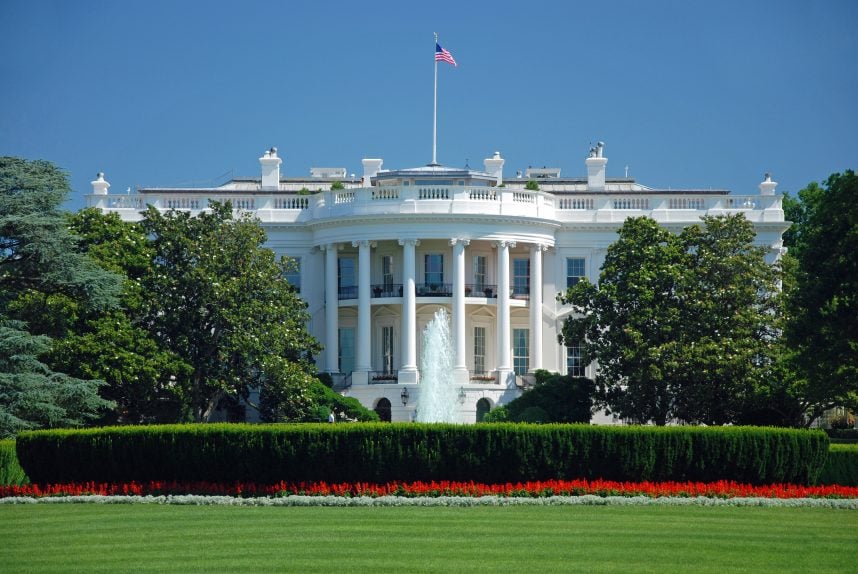
White House
A street-level view of the White House in Washington, DC. The city could soon open its online sports betting market to multiple competitors. (Image: Adobe Stock Images)

McDuffie introduced the Sports Wagering Amendment Act of 2024 in March. Mayor Muriel Bowser (D) still has to approve the budget, but if she does, that could open the door to the city having more than one mobile sports betting option. Currently, FanDuel has a monopoly on mobile betting in the US capitol city.

The unit of Flutter Entertainment took over online sports betting in the city in April after the city council allowed Intralot to subcontract its responsibilities out to another company. Intralot previously ran the heavily criticized GambetDC app.

Last month, representatives from BetMGM, Caesars Sportsbook, DraftKings, and Fanatics Betting & Gaming testified before the Washington, DC City Council’s Committee Business and Economic Development Committee to advocate for a more competitive mobile sports betting landscape in the city.

Usual Suspects Likely to Eye DC Sports Betting Entry

Should Washington, DC’s sports wagering market be liberalized, forcing FanDuel to shed its brief monopoly, the typical names in the industry would likely seek entry.

Currently, BetMGM (Nationals Park) and Caesars Sportsbook (Capital One Arena) have retail sportsbooks at professional sports venues in the city. Those operators would almost certainly pursue licenses if the District opens to mobile wagering competition as would rivals DraftKings and Fanatics.

A decision on making the District’s sports betting market could boil down to simple economics. FanDuel paid a $5 million conversion fee to the Office of Lottery and Gaming (OLG) to take over the Intralot deal and is promising $2 million to $4 million in annual operating payments to the city. If several other gaming companies made similar financial commitments, mobile betting expansion could be a significant moneymaker for the city.

However, there are market share considerations for operators. While Washington, DC is an enticing market for sportsbook firms, there are no guarantees adequate threats to FanDuel will be mounted. In the first quarter in neighboring Virginia, FanDuell commanded market share of 40.14%, or more than DraftKings and BetMGM combined.

Resistance to Open DC Sports Betting Market

Obviously, FanDuel wouldn’t be thrilled about the idea of shedding its monopoly in DC, but there’s likely to be resistance to an open market from other corners — namely small businesses that have sports wagering kiosks.

Those FanDuel-operated machines are found in 63 locations across the city, including bars and lottery retailers, and have become important revenue streams for those establishments.

Retailers that have those kiosks fear that if more mobile wagering options are permitted in the District, bettors will be less inclined to use the kiosks. McDuffie believes that other gaming companies could provide comparable devices to businesses should the Washington market be liberalized.

The post Washington, DC Could Soon Have Competitive Sports Betting Market appeared first on Casino.org.

Caesars Windsor Operating License to Expire, Ontario Opens Competitive Bidding

Caesars Entertainment’s operating license at Caesars Windsor will expire in 2025. In anticipation of reaching a new partnership with the Las Vegas Strip firm or a new gaming management entity, the Ontario Lottery and Gaming Corporation (OLG) this week opened up a competitive bidding process.

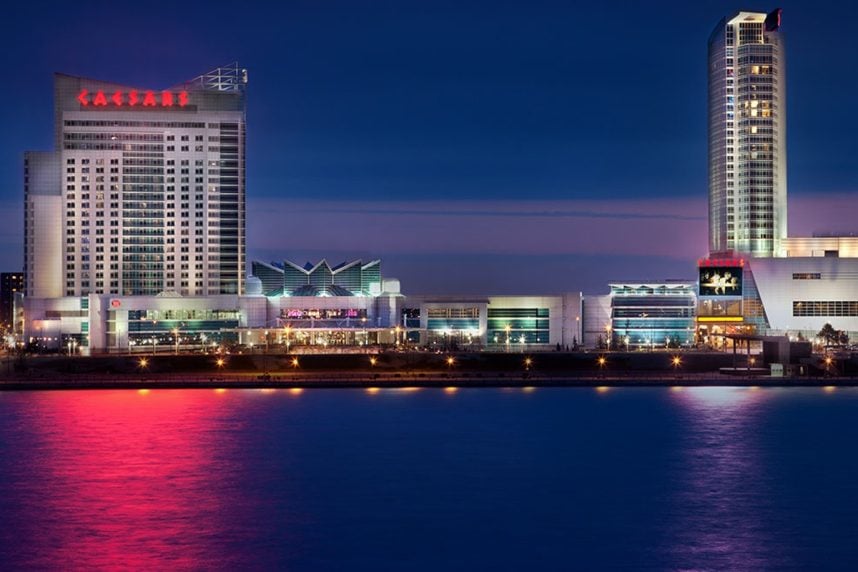
Caesars Windsor Ontario Lottery OLG casino operator
Caesars Windsor in Ontario has an operational agreement in place with Caesars Entertainment that runs through 2025. In anticipation of renewing the contract or finding a new partner, the casino’s owner, the Ontario Lottery and Gaming Corporation, is conducting a competitive bidding process. (Image: Caesars Windsor)

The OLG on Wednesday initiated its Request for Pre-Qualification (RFPQ) for its Windsor casino. The RFPQ, the OLG explained, is the first step in the procurement process to select the casino’s next operator.

OLG is advancing plans that will support the long-term vibrancy and excitement of the casino experience in Ontario,” said Duncan Hannay, the president and CEO of the OLG. “Releasing the RFPQ for the Windsor casino is the first step in selecting a highly qualified service provider that will ensure the long-term competitiveness of the site while continuing to generate economic benefits for the local community and for Ontario.”

To prequalify, interested firms must demonstrate to the OLG that the organization has a lengthy track record in managing a large casino resort such as Caesars Windsor. Companies that prequalify will advance to the Request for Proposal (RFP) phase of procurement.

Caesars Windsor is near Detroit and features 750 hotel rooms. The casino floor offers 2,230 slot machines, 85 table games, and a Caesars Sportsbook. The resort also has six restaurants and four bars, plus the 5,000-seat Colosseum theater.

Caesars Favored

The OLG says the casino operators that qualify for the RFP will be given the opportunity to present their ideas for the future of Caesars Windsor. In the second round of the bidding process, the OLG will supply bidders with documents and information outlining the opportunity and the sort of information the government is looking for in a proposal.

The OLG is a Crown corporation owned by the Ontario government. Formed in 1975 with the purpose of using lotteries and gaming to generate provincial tax revenue, the OLG today owns the province’s lotteries, charity gaming businesses, Aboriginal casinos, commercial casinos such as Caesars Windsor, and racinos.

The OLG partners with both public and private companies to manage its locations. While Caesars Entertainment is a publicly traded firm, the Great Canadian Gaming Corporation and Gateway Casinos, which operate numerous OLG casino properties, are privately held.

Caesars Entertainment has operated the Windsor casino throughout its entire existence, which dates back to 1994 when the venue opened as the first commercial casino in Ontario. Caesars is reportedly interested in extending its OLG contract and is the presumed heavy front-runner in the competitive bid.

Contracts Uniform

The OLG’s brick-and-mortar casino portfolio includes 28 locations. The OLG’s gaming partners all utilize the same formula to decide the amount of the gaming proceeds that must be shared with the government unit. Those proceeds are predominantly allocated back to the host community.

The City of Windsor’s revenue share from Caesars Windsor in the fourth quarter of 2022 was a little more than $2 million. Since its opening, the casino has benefited Windsor with more than $80.3 million.

The post Caesars Windsor Operating License to Expire, Ontario Opens Competitive Bidding appeared first on Casino.org.