Finland Advances Gambling Reform, Adding Horse Racing to Competitive License Market

Finland-sends-gambling-regulation-to-EC-licensed-operators-can-offer-horseracing-bettingThe Finnish government has approved a significant reform to its gambling system, marking a shift away from the state monopoly model as it prepares to introduce a competitive licensing structure. Announced on November 1 by Finland’s Economic Policy Committee, this reform includes the addition of horse racing betting to the competitive market, aligning it with other forms of licensed sports betting. Under this new framework, the state-run Veikkaus Oy will maintain its monopoly over lotteries and physical gaming machines, while a license-based system will govern betting, online casino games, and digital bingo starting January 1, 2026.

The updated gambling legislation, spearheaded by the Ministry of the Interior, aims to reduce gambling-related harms while increasing the market’s channelization rate. Channelization refers to directing players to regulated services rather than unregulated ones, thus enhancing consumer protection and responsible gambling practices. With the inclusion of horse racing in this competitive market, state funds previously allocated to horse racing will now focus on other industry needs, such as supporting breeding and advising horse-related businesses.

Competitive Licensing Model and Regulatory Review

The proposed law grants licenses for online sports betting, digital casino games, electronic bingo, and virtual slot machines. Meanwhile, Veikkaus will retain its exclusivity over lottery operations and physical gaming venues. In addition to moving horse racing under the license model, Finland’s new legislation will undergo a review by the European Commission (EC) and other EU member states to ensure compliance with EU principles of free movement and competition. This three-month evaluation will gather feedback to refine the proposal before it is submitted to Finland’s parliament in spring 2025.

According to Jari Vähänen, a local gaming consultant, this regulatory shift aligns with heavy lobbying efforts from the Finnish horse racing industry, which had advocated for a more flexible licensing environment. Industry observers expect horse racing betting to potentially expand into retail outlets under the new regulations, providing broader accessibility for bettors.

Revised Draft Eases Business Restrictions

The latest version of the proposed law has introduced several business-friendly changes compared to its initial draft in July. Marketing restrictions have been relaxed, allowing offline brand marketing, and certain bonus offerings will now be permitted under specific conditions for existing customers. Legal Gaming’s Finnish advisor Antti Koivula noted that while the Gross Gaming Revenue (GGR) tax rate remains at 22%, an increased supervision fee based on GGR levels could add a tax burden exceeding 2% for some operators. Koivula called the revised law “significantly more business-friendly” while recognizing that not all stakeholders are satisfied.

With the law’s emphasis on consumer protection, the updated regulations also limit certain advertising methods. Veikkaus Oy, Finland’s state-owned gambling operator, will be restricted from using influencer marketing. This ban prevents public figures from promoting Veikkaus products on personal platforms, even without monetary compensation, though they may appear in Veikkaus’ official advertisements. Further restrictions will curb affiliate marketing that directs users to gambling websites, with the intent to shield minors from exposure to gambling content.

Nordic Gambling partner Morten Ronde noted that Finland’s reform resembles the regulatory models in Denmark and Sweden, providing familiarity for operators active in the Nordic region. Ronde lauded the moderate allowance for bonuses and the 22% tax rate as positive steps, though he highlighted the need for clarity on what constitutes a “moderate” bonus.

Timeline and Industry Reactions

Finland plans to introduce the final version of the law to parliament by early 2025, with a target date of mid-2025 for its passage. This reform not only paves the way for competitive licensing but also expedites the timeline, allowing licensed operators to potentially begin operations by July 1, 2026. As noted by Finnish iGaming consultant Pasi Koskela, while some advertising limitations may redirect traffic from regulated sites to unlicensed ones, the overall impact remains to be seen. Koskela suggested that without established guidelines for affiliate marketing, consumer interest may shift to less reputable platforms, creating challenges for consumer protection.

Incorporating both traditional and modern business concerns, Finland’s evolving gambling system signals a new era for the country’s betting landscape. The balance of consumer safety with industry flexibility aims to foster a responsible and competitive environment, strengthening Finland’s role in the broader European gambling market.

Sources:

Gambling Reform in Finland Advances, Adding Horse Racing to Competitive Market, valtioneuvosto.fi, November 1, 2024.

The post Finland Advances Gambling Reform, Adding Horse Racing to Competitive License Market appeared first on Casino News Daily.
Nebraska Racing and Gaming Regulators Approve License Transfer to Ogallala

The Nebraska Racing and Gaming Commission (NRGC) last week voted unanimously to approve a transfer request for a horse racetrack license from Hastings to a forthcoming facility in Ogallala.

Nebraska casino Hastings Fairplay Ogallala
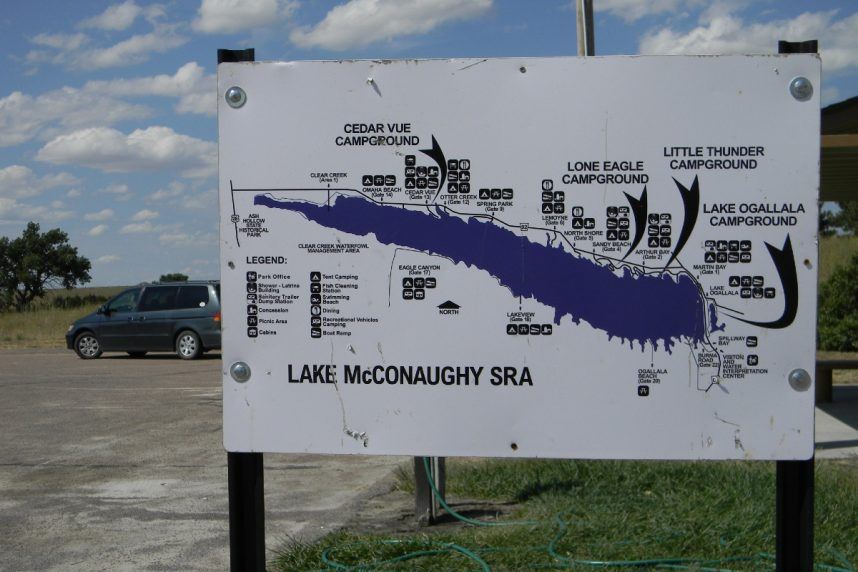
Lake McConaughy in Nebraska will add a casino resort to its list of attractions in the coming years. Nebraska gaming regulators recently signed off on allowing the racing license held by Fairplay Park to relocate to Ogallala for a new racetrack and casino resort. (Image: Getty)

Hastings Exposition and Racing, Inc. owner Brian Becker asked the NRGC to allow him to relocate his state-issued horse racing license from Fairplay Park to a new racetrack in Ogallala some 200 miles west.

Becker is partnered with Iowa-based Elite Casino Resorts on a new quarter horse racetrack measuring 5/8 of a mile and casino resort near Lake McConaughy. Dubbed Lake Mac Casino Resort & Racetrack, the $100 million project is targeting a 178-acre near Interstate 80 and Highway 26.

In 2020, Nebraskans passed a statewide ballot referendum that legalized commercial casino gambling at the state’s six horse racetracks. The measure additionally legalized in-person sports betting. 

Western Frontier

Though Hastings is still slightly east of Nebraska’s center, Fairplay Park has for decades been the westernmost horse racetrack of the six facilities. Understanding that the 2020 casino referendum could cause gaming saturation concerns, the initiative provided a one-time opportunity for racetrack owners to relocate their racing license to a more favorable market but on the conditions that they construct a new racetrack, conduct live racing, and gain local government support.

Becker initially partnered with the Chickasaw Nation of Oklahoma to build and operate a casino in Hastings. But after the Hastings City Council objected to the casino, Becker found a new partner in Elite.

Elite is also partnered with the Hall County Livestock Improvement Association where it’s under construction of converting Fonner Park into an entertainment destination called Grand Island Casino Resort. A temporary casino has operated inside the track’s grandstand since December 2022. The permanent resort is to open next year.

With Hastings just a 30-minute drive south of Fonner Park, Elite and Becker decided a more profitable casino could be realized in Ogallala. Lake McConaughy and its 30,000-acre state park is a popular summertime vacation destination.

Located near the Nebraska panhandle, Lake Mac Casino Resort will be much freer of competition.

We are thrilled to bring a first-class resort, grow out-of-state tourism, add jobs, and invest $100 million into Ogallala and Western Nebraska,” said Dan Kehl, CEO of Elite Casino Resorts.

In their 7-0 vote in approving Fairplay Park’s license transfer from Hastings to Ogallala, NGRC commissioners expressed enthusiasm for expanding the state horse racing industry west.

Fonner Park and Hastings had been our western frontier. We’re going to move that hundreds of miles to the west,” commented Dennis Lee, the chair of the NRGC. “Ogallala really has a unique opportunity to open racing and gaming to Western Nebraska.”

The tentative plan for Lake Mac includes a 37,000-square-foot casino floor with 650 slot machines, 14 live dealer table games, and a sportsbook. The destination’s planned amenities include a hotel with 180 rooms, a convention center, several food and beverage offerings, a rooftop restaurant, an RV lot, and an expansive truck stop and travel center.

WarHorse Omaha Opening 

During their Friday meeting, the NRGC signed off on allowing WarHorse Casino Omaha to open on August 6.

The forthcoming permanent casino located at Horsemen’s Park is a partnership between the Nebraska Horsemen’s Benevolent and Protective Association and WarHorse Gaming, the latter being a subsidiary of the Ho-Chunk, Inc., the commercial business arm of the Winnebago Tribe of Oklahoma.

WarHorse Omaha is set to open with 800 slots, 20 table games, and a sportsbook. An on-site restaurant and bar is also ready for guests.

The post Nebraska Racing and Gaming Regulators Approve License Transfer to Ogallala appeared first on Casino.org.

Arkansas Supreme Court Rejects Casino Appeal, License Back to Racing Commission

The Arkansas Supreme Court will not hear an appeal petitioned by the Cherokee Nation Businesses (CNB) regarding its planned Legends Resort & Casino in Russellville.

Arkansas Supreme Court Cherokee Pope County
The Arkansas Supreme Court will not take up an appeal from an Oklahoma tribe seeking to build a commercial casino in Pope County. The Cherokee Nation Businesses, however, is still the presumed front-runner for the gaming license. (Image: AP)

A year ago this month, Pulaski County Circuit Judge Tim Fox ruled that the Arkansas Racing Commission erred in issuing a commercial casino license earmarked for Pope County to CNB, the commercial business unit of the Cherokee Nation in Oklahoma. In considering a lawsuit challenging the granting by a rival casino bidder, Gulfside Casino Partnership in Mississippi, Fox determined that the Cherokee bid violated rules established through Amendment 100 of the Arkansas Constitution.

State voters in November 2018 passed the amendment to allow a single casino in the counties of Crittenden, Garland, Jefferson, and Pope. The casino bidding rules, however, required the state Racing Commission to only consider pitches from single entities.

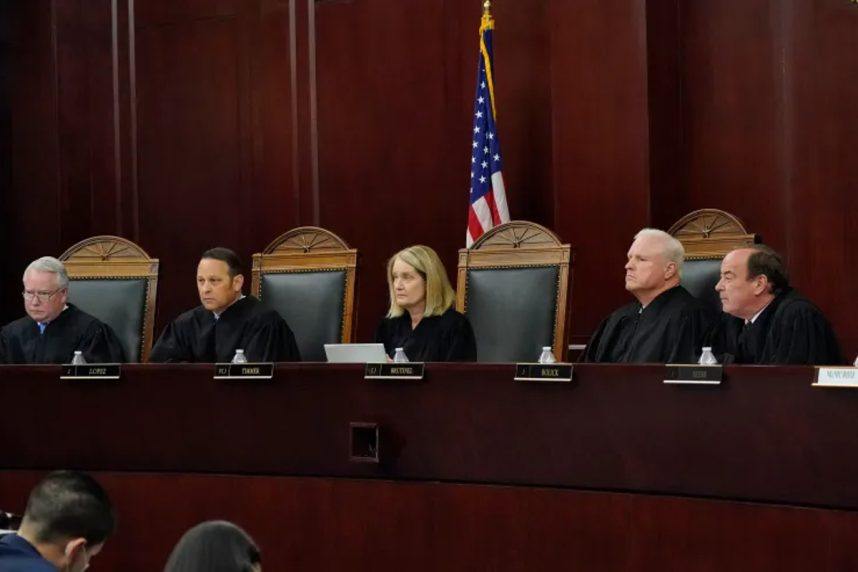
Fox concluded that CNB applied as a consortium with a newly formed company called Legends Resort & Casino, LLC. The state Supreme Court last week opted to deny reconsidering the case. The high court in October upheld Fox’s decision in a 5-2 ruling.

License Returned to Racing Commission

With the Cherokee’s appeal formally settled, the Pope County casino license has been returned to the Arkansas Racing Commission. The state gaming regulator is expected to conduct a new bidding round, but the $300 million Legends Casino will presumably be the only qualified bid.

In separate litigation, it’s been determined through the Arkansas court system that bidders must have the support of either the sitting county judge or the present county quorum court. Last month, the Pope County Quorum Court voted 7-6 to endorse the CNB proposal. Pope County Judge Ben Cross has also backed the Legends development.

Gulfside previously applied with a letter of support from former Pope County Judge Ed Gibson, who issued his backing on the final day of his tenure before he exited the position in December 2018. Gulfside pitched a $254 million casino in Russellville called River Valley Casino Resort.

While Fox ruled against the Cherokees in January 2023, he also discredited the Gulfside plan when he decided that “the county judge” in Amendment 100’s language refers to the current judge — not a former county judge.

CNB will be expected to reapply as a single entity, likely as Legends Resort & Casino, LLC, which the company fully owns.

License Dilemma Continues

More than five years since Arkansans approved a casino in Pope County, the gaming license still hasn’t been issued. Meanwhile, casinos have opened in the three other counties.

The Pope County controversy began in 2020 when it was determined that Racing Commissioner Butch Rice had a bias in his grading of the Gulfside bid a perfect 100 out of 100 and the Cherokee plan just 29/100. The Racing Commission decided to exclude Rice’s scoring, which had tipped the overall score in Gulfside’s favor and opted to issue the license to the Cherokees.

That initiated the legal controversy, with Cherokee and Gulfside attorneys battling for the casino concession ever since. Ricer is no longer a commissioner on the seven-person state agency.

The post Arkansas Supreme Court Rejects Casino Appeal, License Back to Racing Commission appeared first on Casino.org.