SEC Charges DraftKings with Disclosure Violations Over Robins Tweet

The Securities and Exchange (SEC) announced today it charged DraftKings (NASDAQ: DKNG) with divulging nonpublic, material information over CEO Jason Robins’ social media accounts. The gaming company agreed to pay $200,000 civil penalty to settle the charges.
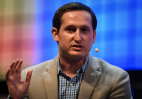
Jason Robins
DraftKings CEO Jason Robins. The SEC fined the company $200,000 over some social media posts he made in July 2023. (Image: CNBC)

On July 27, 2023, Robins posted on his personal  X (formerly Twitter) account that the company he co-founded continued to see “really strong growth” in the states in which it was offering iGaming and sports betting. Later that day, a public relations firm representing DraftKings posted similar remarks to Robins’ LinkedIn profile. Problem was those posts occurred a week prior to the gaming company releasing its second-quarter results.

According to the order, even though Regulation FD required DraftKings to promptly disclose the information to all investors after it was selectively disclosed to some, DraftKings did not disclose the information to the public until seven days later when it announced its financial earnings for the second quarter of 2023,” said the SEC in the statement.

While LinkedIn and X are widely trafficked forums, public companies cannot fulfill SEC disclosure guidelines simply by posting information relevant to investors on those sites because in the eyes of regulators, not all of a company’s shareholders rely on social media for investing information.

DraftKings Lawyers Have Been Busy

The SEC charged DraftKings “with violations of Section 13(a) of the Exchange Act and Regulation FD.” The gaming company neither admitted nor denied the findings in the order, but it pledged to refrain from future violations of those protocols.

The case added to an increasingly hefty workload for DraftKings lawyers. Last week, the Major League Baseball Players Association (MLPBA) sued four gaming companies, including DraftKings, claiming those operators are using player names and images without the consent of those athletes or the union.

That litigation arrived just weeks after the NFL Players Association (NFLPA) sued DraftKings, claiming the sportsbook operator potentially owes it tens of millions of dollars for using player names and images in its now defunct Reignmakers nonfungible tokens (NFTs) game.

DraftKings  previously faced a class action complaint in which plaintiffs claim those NFTs were investable securities and that they suffered losses when the NFT market collapsed. In July, DraftKings shuttered its NFT marketplace and halted Reignmakers, pledging to provide some compensation to those that played the fantasy game.

Not First Time Robins’ Post Have Raised Eyebrows

The posts that drew the ire of the SEC aren’t the first instances of Robins flirting with controversy on social media. In an eight-tweet thread on X on March 28, 2023, the DraftKings chief executive officer commented on his bullishness about the company’s long-term outlook.

He didn’t explicitly mention the stock in those tweets and it’s a good thing, too, because that same day he sold 300,000 shares.

The SEC made no mention of the March 2023 posts. Under regulations set forth by the commission, any publicly traded company disseminating material information via social media must first tell investors on which platforms that data will be released.

The post SEC Charges DraftKings with Disclosure Violations Over Robins Tweet appeared first on Casino.org.

Canadian Study Warns Gambling Ad Regulations Are Moving Too Quickly

This-study-suggests-Canadian-regulators-should-pace-themselves-when-crafting-RG-rulesWithin a year of legalizing online gambling in Canada, a surge in public complaints about the volume and content of gambling advertisements has raised concerns. A new study released by the Canadian Gaming Association (CGA) highlights that regulators may be acting more quickly than the available evidence supports. This could result in policies that don’t adequately address the nuances of gambling advertising and may be overly broad or miss key issues.

The CGA published an academic and policy-focused study, warning that the development of gambling regulations is outpacing the research needed to effectively guide these policies. The study, conducted by GP Consulting with contributions from specialists at Eilers & Krejcik and academics from the International Gaming Institute and Washington State University, examines the current state of advertising for online gambling and sports betting.

Regulations Outpacing Research

The study’s central premise is that the evolving regulatory framework for gambling advertising in Canada is advancing faster than the research base supporting it. This, the report warns, could result in insufficiently tailored rules that fail to fully address the complex issues inherent in gambling promotion. The research team conducted a “rapid review” of 41 academic studies related to online gambling advertising and responsible gambling programs. This review is meant to serve as a resource for regulators and stakeholders as they navigate the fast-paced changes in the industry.

Ontario Leading the Charge

Ontario became the first province in Canada to launch a regulated online gambling market in April 2022, and now other provinces, such as Alberta, are expected to follow suit. Ontario’s Alcohol and Gaming Commission (AGCO) has already revised its rules on gambling advertising multiple times. Notably, a ban on the use of celebrities and athletes in gambling advertisements came into effect in February 2024, and Canada’s parliament is currently considering stricter regulations regarding when gambling ads can air on television.

The research recommends that Canadian policymakers pursue more in-depth studies in several key areas, including responsible gambling advertising, consistent measurement of exposure to ads, and the effects on vulnerable populations. The study also stresses the importance of avoiding one-size-fits-all approaches, noting that gambling advertising research from other countries, such as the United States or Australia, may not directly apply to Canada’s unique market.

Key Themes for Responsible Advertising

The authors identified five essential themes that they believe are necessary for ensuring that gambling advertising is both effective and safe:

  1. Responsible Messaging: Advertisements should avoid making false promises or encouraging excessive gambling. The study suggests that campaigns should focus on promoting responsible play rather than depicting gambling as a way to easily win big.
  2. Avoiding Vulnerable Audiences: Ads targeting youth or other vulnerable groups should be strictly limited. Regulations in Ontario already reflect this, with the ban on using celebrities or athletes in promotional materials.
  3. Promotion Restrictions: The report suggests restricting the use of enticing terms like “risk-free” in promotional content, with such offers limited only to consumers who have opted into receiving marketing communications.
  4. Affiliate Accountability: Gambling operators should be held responsible for the actions of their affiliates, ensuring that all marketing practices adhere to regulatory guidelines.
  5. Direct Marketing Controls: Gambling operators should limit direct marketing to individuals who have explicitly consented to receive such communications.

The study places these themes within the broader context of regulatory frameworks in other jurisdictions, such as the United Kingdom, Ontario, Denmark, Michigan, and New Jersey. The UK is considered to have the strictest rules, with Ontario following closely behind and Denmark, Michigan, and New Jersey rounding out the list.

Ongoing Debate and Need for Caution

The CGA’s research arrives at a critical time in the Canadian gambling landscape, as debates continue about how best to regulate gambling advertising. Although Bill S-269, which calls for a national framework for sports betting advertising, is currently stalled in federal parliament, the issue remains at the forefront of industry and government discussions. The report highlights the risk that regulations may be shaped more by public opinion and social pressures than by solid empirical evidence.

The research team emphasized that policymakers need to strike a balance between regulating gambling ads and ensuring that rules are grounded in fact-based evidence. “The approach to regulation in Ontario was shaped in part by the necessity to integrate grey market operators into a regulated framework,” the researchers noted, suggesting that regulatory bodies should remain flexible as the market continues to evolve.

Future Research Priorities

The study also lays out a research agenda for further investigation into several areas, including how to better measure the impact of gambling ads on consumer behavior, how cultural factors influence advertising effectiveness, and the challenges of conducting research in real-world settings. The authors call for more targeted studies that can inform future regulations with greater precision.

Source:

CGA research: gambling ad regulation misaligned with evidence, canadiangamingbusiness.com, September 20, 2024.

The post Canadian Study Warns Gambling Ad Regulations Are Moving Too Quickly appeared first on Casino News Daily.

Norway’s Conservative Party Pushes for End to Gambling Monopoly, Major Operators Face Withdrawal

Norways-Conservative-party-joins-calls-for-end-to-gambling-monopolyNorway’s Conservative party (Høyre) has called for the end of the country’s state-run gambling monopoly. The party’s latest manifesto, published ahead of the September 2025 election, proposes a transition to a licensed gambling market, potentially opening the doors to market liberalization by 2028. Norway remains the last Scandinavian country to maintain a gambling monopoly, while its neighbors, including Finland and Sweden, have moved toward more liberalized models.

Currently, the state-owned operators Norsk Tipping and Norsk Rikstoto hold exclusive rights to provide legal gambling services in the country. These monopolies cover a broad spectrum of activities, including physical slot machines, lottery games, online gambling, sports betting, and horse racing. However, Norwegian players have long been able to access international gambling operators licensed outside the country, such as those regulated by the Malta Gaming Authority (MGA).

The Conservative Party’s Push for Change

The Conservative Party’s new manifesto marks a significant shift from its 2021 stance, which supported the continuation of the monopoly system. The updated policy, championed by party members such as Magnus Mæland, Ola Svenneby, Tage Pettersen, and Anita Oterhals Eide, calls for replacing the exclusive rights model with a licensed system. By doing so, the Conservatives aim to increase state revenues while also providing more robust tools to address problem gambling.

“Replace the current exclusive rights model with a licensed model to increase revenues for the state and [provide]

greater opportunities to help those who are struggling with problem gambling,” the manifesto states.

The Conservative Party is the second-largest in Norway’s parliament, holding 36 of the 169 seats and having secured 20.6% of the vote in the 2021 general election. The next general election, scheduled for September 2025, is set to be a pivotal moment in determining whether the monopoly model will be replaced with a licensed framework.

Growing Political Support and Incoming Regulations

The Conservative Party is not alone in advocating for change. The Progress Party, which holds 21 seats, also called for a licensing model in its 2021 manifesto. Additionally, the Liberal Party has expressed intentions to review gambling regulations, particularly to tackle gambling addiction. Meanwhile, the Labour Party, which governs in coalition with the Centre Party, has historically supported the monopoly system and shows no signs of shifting its stance.

Norway’s gambling trade association, Norsk Bransjeforening for Onlinespill (NBO), has responded positively to the Conservative Party’s proposal. NBO’s general secretary Carl Fredrik Stenstrøm, expressed optimism, stating, “I am extremely optimistic this could be our time for a licensed gambling market. Everyone [in Norway]

understands it is a matter of time before the market is liberalized.”

This movement follows similar trends in other Scandinavian countries, such as Sweden and Finland. Finland recently announced plans to adopt a licensed model by 2026, and Norway’s neighbors are often cited as examples in the debate.

DNS Blocking and Operator Withdrawals

In addition to political discussions, Norway is preparing to implement new regulations to tighten control over the gambling market. Starting in January 2024, Norway intends to introduce DNS website blocking for international gambling operators that do not hold a local license. This move has long been in the pipeline, with several proposals previously submitted to the Norwegian legislature but failing to gain approval. Now, political sentiment has shifted, and the upcoming regulations aim to curb access to unlicensed platforms.

International operators such as Unibet, Betsson, ComeOn, and bet365 have long served Norwegian customers by operating under licenses from other jurisdictions, particularly Malta. However, Norwegian regulator Lottstift recently announced that many of these major operators are preparing to withdraw from the market due to increased regulatory pressure.

“Companies that do not withdraw from the Norwegian market risk having their websites blocked next year, when we get new regulations in place,” Lottstift said in a statement.

Despite this, some operators, including Kindred Group (the parent company of Unibet), argue that their services remain legal under international law. A Kindred spokesperson stated, “Norwegian residents have legally and at their own free will chosen to participate in our offers. It is totally legal for Norwegian residents to play with overseas gambling companies, and they are not breaking any Norwegian laws.”

While international operators are facing increasing pressure, the European Gaming and Betting Association (EGBA) has also called for Norway to introduce a licensing system, arguing that it would help tackle the demand for international services more effectively. The EGBA’s secretary general, Maarten Haijer, emphasized that Norway’s current monopoly system is out of step with regulatory regimes across Europe.

Outlook: A Liberalized Market by 2028?

As Norway inches closer to the 2025 election, the debate around the country’s gambling monopoly is expected to intensify. With major political parties divided over the issue and international operators facing new restrictions, the coming years will be crucial in determining the future of Norway’s gambling sector.

Carl Fredrik Stenstrøm of NBO is confident that Norway could see a fully liberalized online gambling market by 2028, following in the footsteps of Sweden and Finland. Public consultations and political negotiations are set to continue, with the Conservative Party leading the charge for change.

Source Attribution:

Norway’s Conservative party joins calls for end to gambling monopoly, igamingbusiness.com, September 11, 2023.

The post Norway’s Conservative Party Pushes for End to Gambling Monopoly, Major Operators Face Withdrawal appeared first on Casino News Daily.

Manhunt Intensifies Former Philippine Official Harry Roque Amid POGO Scandal

Harry-Roque-on-the-run-PNP-joins-the-huntAuthorities in the Philippines have launched a nationwide manhunt for Harry Roque, former spokesperson for President Rodrigo Duterte, as part of an investigation into illegal Philippine Offshore Gaming Operators (POGOs). Roque is accused of withholding critical documents related to his involvement with Lucky South 99, a POGO hub, and his role as its alleged legal head. Cited twice for contempt by the House of Representatives, Roque’s evasion has fueled suspicions of his deeper involvement in the offshore gaming scandal. Multiple law enforcement agencies are now working together to locate Roque, who is believed to be in hiding.
The controversy centers on alleged criminal activities linked to POGOs, including online scams and human trafficking. The authorities have discovered mass graves near one such facility, intensifying the gravity of the case. Roque’s flight from justice adds further weight to suspicions regarding his ties to the operations. The Philippine National Police, alongside the National Bureau of Investigation, are fully involved in the manhunt.

Evidence Mounts Against Roque

Roque’s involvement in POGO-related crimes came to light after documents connected to him were found during a raid at Lucky South 99. The site, notorious for human trafficking and other illicit activities, has raised red flags among lawmakers, prompting a joint investigation by the Philippine House of Representatives. Roque’s connection to the facility deepened when Philippine Amusement and Gaming Corporation (PAGCOR) chairman Alejandro Tengco revealed that Roque pressured PAGCOR to grant licenses to questionable operations.

Despite his disappearance, Roque has remained active on social media, branding the investigation a “kangaroo court” and denying all accusations. However, lawmakers like Robert Ace Barbers and Dan Fernandez argue that Roque’s flight indicates guilt. Both have emphasized that evidence against Roque is overwhelming, especially given his refusal to cooperate with authorities.

POGO Scandal Grows

Roque is not the only high-profile figure involved in the POGO scandal. Former mayor Alice Guo, arrested earlier in Indonesia, has been extradited back to the Philippines. She faces charges of human trafficking, money laundering, and tax evasion. Another key figure, Huang Zhiyang, is still at large, reportedly hiding in Hong Kong. Authorities, including the International Criminal Police Organization (Interpol), are involved in the global manhunt for Huang, underscoring the scandal’s vast scope.

The investigation into Roque and other POGO-related individuals sheds light on the broader issue of corruption and crime within the offshore gaming sector in the Philippines. As the manhunt continues, the public is encouraged to report any information that could lead to Roque’s capture.

Source:

Harry Roque on the run: PNP joins the hunt, globalnation.inquirer.net, September 14, 2024.

The post Manhunt Intensifies Former Philippine Official Harry Roque Amid POGO Scandal appeared first on Casino News Daily.

Wynn Investors Land $70M in Securities Fraud Lawsuit

Wynn Resorts (NASDAQ: WYNN) and some former executives of the gaming company agreed to pay investors $70 million for their alleged roles in covering up the sexual misdeeds of founder and former CEO Steve Wynn. Defendants will pay $9.4 million of  that sum with insurance providers covering the rest of it.

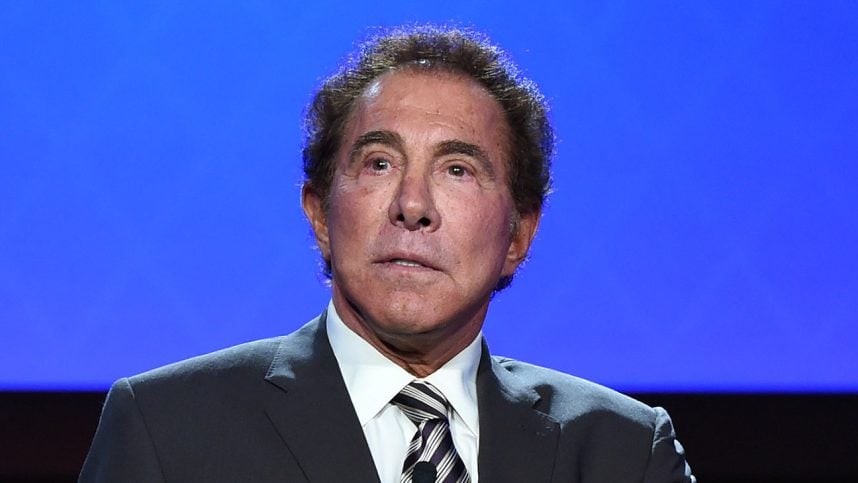
Steve Wynn, Associated Press, Halina Kuta, defamation, Nevada Supreme Court
Steve Wynn. The gaming company bearing his name will pay $70 million to plaintiffs that brought a securities fraud suit against it. (Image: Getty)

Earlier this week, Pomerantz LLP filed a motion asking the United States District Court for the District of Nevada to sign off on initial approval of the settlement in the case Ferris, et al. v. Wynn Resorts Ltd., et al. Representing plaintiffs in the class action suit, Pomerantz claimed some now former Wynn executives obfuscated Steve Wynn’s sexual misconduct, making “material misrepresentations to shareholders during the period of March 28, 2016, to March 12, 2018.”

The complaint alleged defendants were aware of numerous allegations of sexual misconduct made against Wynn over the course of several decades and defendants repeatedly denied those allegations and helped to cover them up,” according to a statement issued by the law firm.

Steve Wynn is widely viewed as the first high-profile executive whose misdeeds were exposed by the “Me Too” movement. A January 2018 article by the Wall Street Journal , which was rumored to have been driven by  Elaine Wynn — Steve’s ex-wife — detailed the gaming executives inappropriate behavior toward various female employees, resulting in his ouster from the company he founded.

Wynn Securities Fraud Lawsuit Is Significant

In many instances, class action suits brought by law firms representing disappointed shareholders fall flat because courts often rule that shareholders, in exchange for potential upside in a company’s stock, assume risk.

The assumption of risk is one thing, but when it’s heightened by malfeasance of executives, the door is open for courts to rule in favor of plaintiffs. Wynn’s stock price action confirmed as much. During the aforementioned March 2016 to March 2018 period, the gaming equity nearly doubled, helping Steve Wynn dump his stake at favorable prices. By June of 2018, the stock started sliding in significant fashion as both the Massachusetts Gaming Commission (MGC) and the Nevada Gaming Control Board (NGCB) commenced investigations into goings on at Wynn.

“These events led to a drop in Wynn Resorts’ share price, which caused significant damage to the company’s shareholders,” added Pomerantz.

That’s an accurate claim because in Massachusetts, the gaming company was slapped with $35.5 million in penalties with $500,000 levied against then CEO Matt Maddox — Steve Wynn’s replacement. Prior to those fines being handed down, there was rampant speculation about the gaming company’s ability to retain its operating license for Encore Boston Harbor and rumors that it might be forced to sell the casino hotel to a rival. Though that chatter proved false, it weighed on the stock price.

Maddox, general counsel Kim Marie Sinatra, and then CFO Stephen Cootey were among the executives named in the suit. Maddox left the gaming company on Feb. 1, 2022. Cootey is now employed by Red Rock Resorts.

“This case should serve as a warning to corporations and their officers that talk is not, in fact, cheap,” said Pomerantz partner Murielle Steven Walsh in the press release. “Investors care about corporate integrity and accountability, and companies that are accused of making statements to cover up or deny allegations of serious misconduct by executives face a potentially steep financial reckoning.”

Busy Period for Wynn Legal News

News of the Wynn settlement with investors arrived less than weeks after the company said it reached an agreement with the Department of Justice (DOJ), requiring it to pay $130.13 million and admit to wrongdoing in a long-running, unregulated money transfer scheme that took place at Wynn Las Vegas.

The DOJ said that is the largest ever penalty levied against a single US gaming venue. As part of a non-prosecution agreement (NPA), the gaming company had to admit to violations of anti-money laundering guidelines.

On Sept. 10, Wynn Resorts announced the sale of $800 million of corporate bonds, telling investors it will use proceeds to wipe out debt maturing next year and to pay the fine to the federal government.

The post Wynn Investors Land $70M in Securities Fraud Lawsuit appeared first on Casino.org.