VEGAS MYTHS BUSTED: Airport Weather Station Underreports Summer Temps

The highest temperature to ever scorch Las Vegas, 120°F, was recorded at 3:38 p.m. Sunday by the National Weather Service (NWS) weather station at Harry Reid International Airport. According to many conspiracy theorists, however, the actual temperature here routinely tops that number and goes underreported at the behest of the Las Vegas Convention and Visitors Authority, which doesn’t want tourists knowing how hot Sin City really gets in the summer.
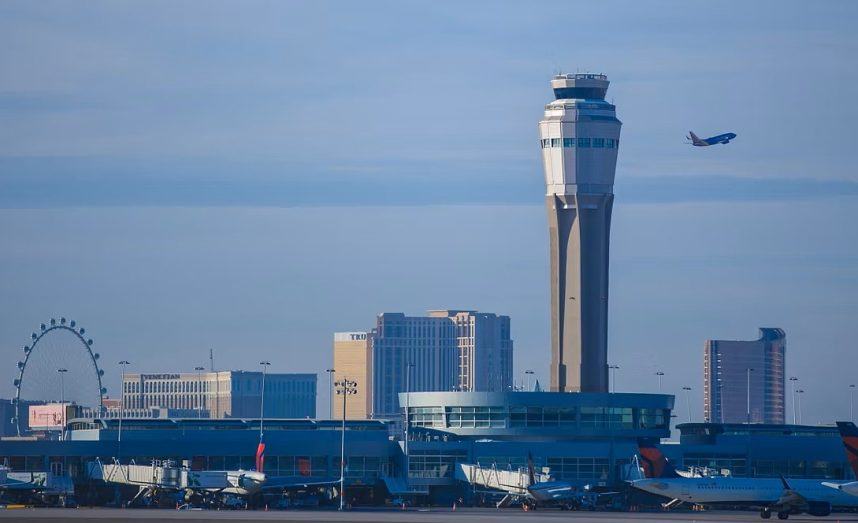
The NWS weather station at the main Las Vegas airport, named Harry Reid International since 2021, has been measuring Sin City’s official temperature since Dec. 18, 1948.  (Image: Shutterstock)

This goal supposedly gets accomplished by keeping the weather station’s temperature sensor in the shade instead of how most of those walking around Las Vegas experience the weather — in the blazing sun.

Some conspiracy theorists, such as one who commented below this recent video on the “Jacobs Life in Vegas” YouTube channel, go as far as insisting that the weather station was secretly relocated to the top of the air traffic control tower, where the air is cooler.

“Lies and misinformation,” insisted YouTube user @taylorlto806. “It’s ridiculous … The weather DOES and HAS exceeded 120 most summers, but it is no longer announced due to tourism.”

Weathering Heights
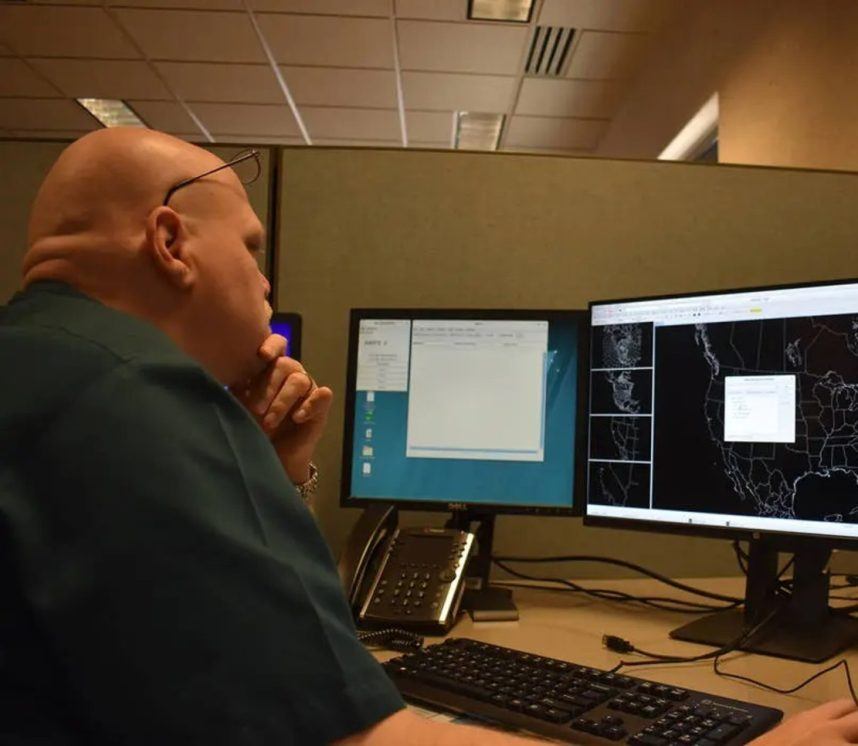
NWS meteorologist Daniel Berc monitors weather conditions to formulate a forecast in 2019. (Image: Las Vegas Review-Journal)

Yes, the temperature gauges at Harry Reid are kept in the shade. However, that’s true of all NWS weather stations.

“Historically, all temperatures are measured in the shade to be consistent, as the amount of solar radiation a location gets differs in different areas even when the temperature is the same,” NWS meteorologist Daniel Berc told Casino.org.

He added: “All official National Weather Service thermometers are kept in white, vented enclosures to reflect the sunlight. The shade, vents, and reflective paint allow the air to circulate freely so the thermometer can accurately measure the air temperature.”

Berc, who has worked in the agency’s Las Vegas office since 2012, says the air-traffic control tower theory is a new one to him. According to Berc, the official NWS Las Vegas weather station has never sat higher than five feet off the ground.

The first one began taking observations on Jan. 1, 1937, at Nellis Air Force Base. That was back when it was known as the Western Air Express Airfield and the NWS was called the US Weather Bureau.

That station was moved to Las Vegas’ civilian airport, then known as Alamo Field, on Dec. 18, 1948, two days before it was renamed to honor Senator Pat McCarran. The station was installed outside the Weather Bureau’s office at Alamo, with its sensors measuring the air at about five feet off the ground.

On Sept. 1, 1995, the weather service replaced this station with an automated weather station located a bit east of what is now the middle of the airfield — again, about five feet off the ground. Because it was automated, it no longer needed to be manually read. So NWS abandoned its airport office for its current one on Dean Martin Drive.

That weather station needed to be moved due to the construction and expansion of a new taxiway. So, since April 19, 2007, the official NWS Las Vegas weather station has operated, once again, with its sensors about five feet off the ground in the southwest corner of the airport
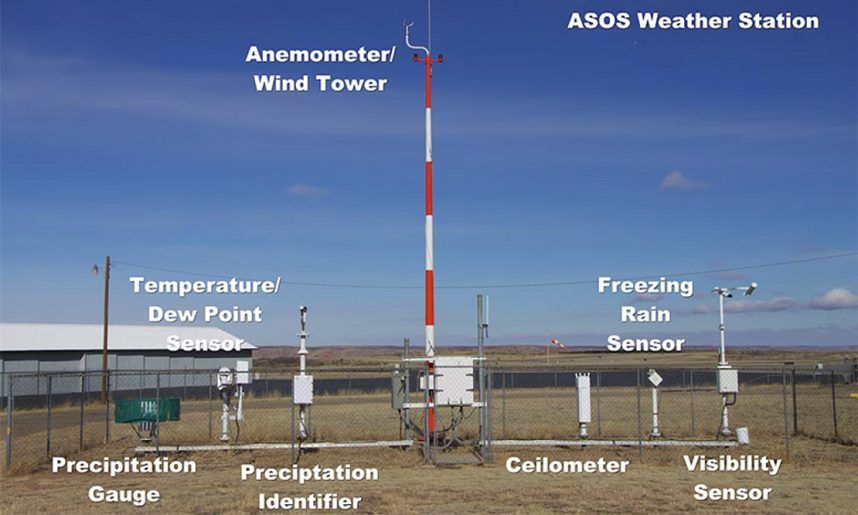
This weather station, known as an Automatic Surface Observing System (ASOS), is identical to the one operating at Harry Reid Airport. (Image: NOAA/NWS)

Of course, as any Las Vegas resident knows, the eastern side of Las Vegas, around Boulder Highway, tends to get hotter than the rest of the valley because it sits at a lower elevation. And occasional amateur readings of above 120°F may have given this myth some legs.

“While we do not have any official climate sites there, readings of 120°F or above would certainly be plausible, however rare,” Berc said.

Why Always at Airports?

Official weather stations are usually located at airports, Berc explained, because “weather is so important to the aviation community.” (Both North Las Vegas and Henderson, Nev. have airport NWS weather stations recording and reporting their official temperatures, too.)

In fact, from 1948 through 1995, Berc said, pilots would walk into the official weather office at Las Vegas airport and receive flight briefings directly from meteorologists. Then they would know they were getting the most accurate information possible.

This would distinguish those pilots of yesteryear from today’s conspiracy theorists, who get their information from social media, fake news sites, and misinformed friends and family members.

Look for “Vegas Myths Busted” every Monday on Casino.org. Visit VegasMythsBusted.com to read previously busted Vegas myths. Got a suggestion for a Vegas myth that needs busting? Email corey@casino.org.

The post VEGAS MYTHS BUSTED: Airport Weather Station Underreports Summer Temps appeared first on Casino.org.

The Last Nordic Frontier: Iceland’s Gamble with Casino Regulations

Iceland’s isolated island environment is home to a booming digital frontier. Local tech companies have made great advances in video game graphics. Yet you’ll find that there is still no casino operating in the country. Despite lacking centralized data, you can chat with many people who say they participate in online gambling, especially online slots. New changes in regulations and societal viewpoints are redefining Iceland’s interaction with online gambling. Find out how this influences this Nordic country’s overall attitude to the iGaming industry.
Fueling the Icelandic Slot Machine Frenzy

Residents are increasingly looking to find the most entertaining online casino in Iceland. Here’s the intriguing part about Iceland though. Unlike the Nordic countries having state-controlled lotteries and closely governed online casinos, Iceland exists in a legal ambiguity. Physical casinos are banned, while the government does not give out any licenses for online gambling. But here is an important twist, there is no specific law that prevents Icelanders from participating on foreign-owned online casino websites.

You might be wondering exactly what draws Icelanders to online casinos then. The lengthy and severe winters with short daylight push people indoors to find fun activities Online slots serve as an easy and available distraction, supported by the high internet usage in Iceland.

Icelandic gamblers are left with the responsibility of selecting trustworthy and safe foreign operators, which is a difficult job due to the extensive and occasionally dishonest world of online casinos. This absence of regulation has become big news, with professionals urging local authorities in Iceland to confront and address this issue.

A Nordic Country at an Online Casino Crossroad

Statistics indicate that Icelanders annually pour more than 5 billion ISK into overseas betting websites. This considerable money drain has triggered legislators to rethink their approach. By forming a controlled market, Iceland aims to collect a slice of this profit. The strategy could yield significant tax earnings for communal facilities.

Iceland’s current situation can’t last indefinitely. Icelandic people have an entrepreneurial attitude and readiness to take risks. The laid-back gameplay and opportunity for big wins in online slots fall in line with this national character. People have been talking about setting up a regulatory framework for iGaming for years now. This could lead to improved customer protection and guarantee fair and responsible gambling practices. Additionally, this regulated market could create a lot of tax income for the Icelandic government.

The Iceland government has caught wind of the booming online gambling industry. New laws are being proposed to monitor and tax these ventures. The intended regulations would establish a legal structure for operators, marking a big departure from past rules.

Yet, there are still worries. Critics worry about a potential rise in gambling addiction rates and possible societal damage if regulations are softened up. The future path of Iceland’s iGaming industry is still uncertain. Will they decide to go with a more managed market like neighboring countries or continue in the grey area of unrestricted online gambling?

Sparking New Conversation Around iGaming

Online gambling’s surge has sparked a conversation in Iceland. There are concerns about addiction and financial pitfalls, causing demands for added protections. What is the way forward for Iceland to handle economic gains and social obligations?

New plans are being initiated by health officials in Iceland to tackle problem gambling. They have introduced online help groups as well as guidance services. Plus, voluntary limits and self-exclusion tools are being put in place by some iGaming companies. The goal of these steps is to encourage sensible gaming habits among players in Iceland.

It’s uncertain what Iceland’s iGaming future looks like. You can now see how his situation has major outcomes. A structured regulation system could modify Iceland’s social environment, boost its economic standing, and finally change its legal online gambling stance. The question remains if it will set a precedent for other Nordic countries or encounter even more obstacles.

The post The Last Nordic Frontier: Iceland’s Gamble with Casino Regulations appeared first on Casino News Daily.

Caesars Boosts Sports Betting Tech with ZeroFlucs Acquisition

In a move aimed at bolstering its sportsbook technology, Caesars Entertainment (NASDAQ: CZR) said today it is acquiring ZeroFlucs Group Pty Ltd.

Caesars hedge funds
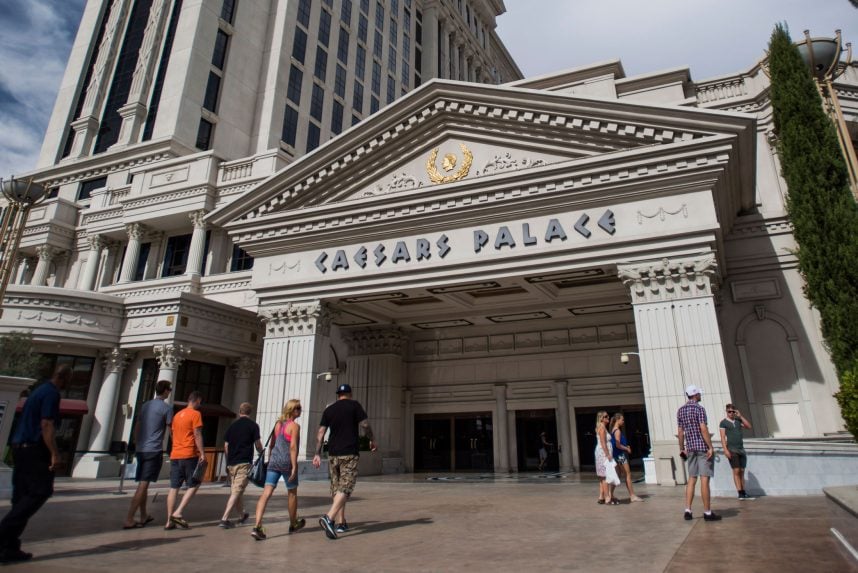
Visitors entering Caesars Palace Las Vegas. The operator is acquiring ZeroFlucs to add to its sports betting tech stack. (Image: David Paul Morris/Bloomberg)

The Australian company is a software provider whose products allow sportsbook operators to efficiently update odds and pricing while maintaining existing data relationships. Financial terms of the transaction were not disclosed.

The ZeroFlucs acquisition follows a successful integration of ZeroFlucs’ technology into the Caesars Sportsbook platform through a commercial arrangement that enabled the recent launch of new products, such as in-play same-game parlays (SGPs) and a vastly improved menu of ‘SGP-eligible’ markets for Major League Baseball,” according to a statement.

Caesars did not say when the transaction will close, but the buyer noted Steve Gray and Carly Christensen will remain at the helm of ZeroFlucs with Christensen joining Caesars Digital as senior vice president of price technology.

Sports Betting Tech Race Heating Up

The Caesars deal for ZeroFlucs is the latest sign of an intensifying race for sports wagering technology.

The transaction was announced less than two weeks after MGM Resorts International (NYSE: MGM) said its LeoVegas unit would purchase the US iGaming and sportsbook operations of Tipico Group for an undisclosed sum — a move market observers believe is largely rooted in technology.

With live betting and SGPs prime avenues through which sportsbook operators can increase hold and profits, shoring up tech stacks becomes an essential objective because many bettors that are enticed by these long odds wagers will make decisions on where to place those bets based on operators’ tech offerings.

Regarding ZeroFlucs, “the acquisition cements a relationship between the companies that has already improved the customer experience and will continue to unlock exciting new product features and benefits for Caesars Sportsbook bettor,” added Caesars in the press release.

How ZeroFlucs Can Help Caesars

As technology further penetrates the world of sports wagering, speed is essential in boosting the menu of live wagers a sportsbook operator can offer bettors.

In nearly all major team sports, in-game odds can shift on a play-by-play basis — a touchdown, a home run, etc. Sluggish technology can force operators to only refresh odds during breaks in the action, but wise bettors know they might not be getting the best odds.

Specific to ZeroFlucs and Caesars, the acquired company’s competencies in baseball SGPs could be enticing because due to the slow-moving nature of that sport, it’s conducive to SGPs and live wagering. That fact isn’t lost on gaming companies and with better technology, it’s possible operators will lure more bets on baseball — a sport that trails football and basketball by handle by wide margins.

The post Caesars Boosts Sports Betting Tech with ZeroFlucs Acquisition appeared first on Casino.org.

GambleAware Survey Shows Strong Support for Stricter Gambling Ad Regulations

GambleAware-study-suggests-public-support-for-gambling-advertising-restrictionsA recent survey by GambleAware reveals significant public support for stricter regulations on gambling advertising in the UK. The survey, conducted in collaboration with Ipsos, included responses from 4,207 adults and highlighted the increasing concern over the prevalence and impact of gambling advertisements.

Demand for Increased Regulation

The survey, published on June 27, indicates that almost three-quarters (74%) of British consumers believe gambling advertisements should be regulated on social media, with 72% supporting increased regulation for television adverts. Additionally, 67% of respondents agreed that there are currently too many gambling advertisements and 66% expressed concern about their impact on children. Moreover, 61% of those surveyed opposed the use of gambling logos on football shirts, emphasizing the public’s desire for a change in how gambling is marketed, particularly in sports.

Impact of Gambling Ads on Behavior

The report also sheds light on the direct impact of gambling advertisements on individuals’ gambling behaviors. According to the survey, 24% of respondents who had gambled in the past year took gambling-related actions after seeing an advert. This figure jumps to 79% among those experiencing gambling-related problems, with 54% of this group stating that advertisements make it difficult to reduce their gambling activities. Furthermore, 51% reported that ads make it challenging to watch professional football without feeling the urge to place a bet.

GambleAware’s chief executive Zoë Osmond commented on the findings: “Exposure to gambling advertising normalizes gambling and makes it seem like just ‘harmless fun’ without showing the risks of gambling addiction and harm. This is why we have published our new report, to call on the next government to do more to regulate gambling advertising, particularly around sport where children and young people can see it.”

Proposed Measures for Safer Gambling Advertising

In response to the survey findings, GambleAware has proposed several measures to make gambling advertising safer. These include implementing a pre-watershed ban on broadcast advertising across television, radio, and video on demand. This would expand on the current voluntary whistle-to-whistle ban, covering only 2% of all broadcast gambling ads.

GambleAware also advocates for all advertisements to include independent, evidence-based health warnings with clear signposting to support services. This approach aims to help those needing assistance by directing them to appropriate resources.

Another recommendation is to ban gambling marketing at sports events, including removing sponsorships from sports clothing, merchandise, and stadiums. The Premier League has already agreed to phase out gambling logos on shirts by the 2026-27 season, and GambleAware suggests extending this ban to all sports.

Barriers to Seeking Help for Gambling Problems

Aside from advertising concerns, the report also addresses barriers to seeking help for gambling-related harm. It found that 64% of respondents who had experienced gambling problems had not spoken to anyone about it. The main reasons cited were feelings of shame or guilt (17%) and fear of judgment (13%).

Despite these barriers, the survey reveals that 76% of those who did seek help felt better after doing so, and 63% believed they would have felt better if they had sought help sooner. The primary motivations for seeking support included gambling’s negative impact on mental health (23%), financial issues (22%), and the desire for help to stop gambling (21%).

Source:

GambleAware study suggests public support for gambling advertising restrictions, igamingbusiness.com, June 27, 2024.

The post GambleAware Survey Shows Strong Support for Stricter Gambling Ad Regulations appeared first on Casino News Daily.

DraftKings Named Top Gaming Idea for Second Half by Stifel

Shares of DraftKings (NASDAQ: DKNG) closed lower by almost 1% today, but some sell-side analysts remain bullish on the stock despite a loss of 18.29% over the past 90 days.

DraftKings stock
A DraftKings billboard appears at Times Square in New York City. An analyst called the stock a top idea for the second half.(Image: NASDAQ)

In a note to clients today, Stifel analyst Jeffrey Stantial rated DraftKings a “buy’ with a $50 price target, implying upside of 34.8% from today’s closing price while noting the stock is a top pick for the second half of 2024. He pointed out that headwinds such as the recently implemented tax hike in Illinois are priced into the shares.

We see well-discussed headwinds to 2Q24/2024E Consensus (IL tax hike; Jackpocket drag) as de-risked following recent revisions, with healthy core growth drivers (evidenced by recent state reported GGR trends) posing potential upside to reset buyside expectations,” wrote the analyst.

Illinois approved a graduated tax rate on online sports betting operators, forcing the largest sportsbooks in the state to pay higher percentages. Under the plan, which into effect on July 1, Illinois now has the second-highest sports betting taxes in the country and the rate applied to big operators such as DraftKings and FanDuel parent Flutter Entertainment (NYSE: FLUT) likely more than doubled.

Focus on DraftKings Free Cash Flow, Says Stifel

Based on prior reporting patterns, it’s estimated that DraftKings will deliver second-quarter results on Aug. 1. One of the big issues analysts and investors will be monitoring is free cash flow.

The gaming company has been free cash flow negative, but has made significantly strides on that front over the past three quarters. Last year, the operator was free cash flow negative to the tune of $103.03 million, but that was a marked improvement from the -$721.95 million posted in 2022, according to Macrotrends data.

DraftKings is about four years removed from becoming a standalone publicly traded company, meaning it’s still a young firm. However, there’s increasing chatter among sell-side analysts that with free cash flow inflecting at the gaming company, return of capital to shareholders could be announced over the near term. Stantial sees that as a possibility.

“DKNG’s forthcoming capital allocation update (and likely initial return of capital) should also signal confidence in out-year FCF generation. All-told, we see a compelling setup heading into 2H24, and recommend investors own into DKNG’s Q2 print,” noted the Stifel analyst.

The analyst said a share buyback would likely be DraftKings’ preferred avenue of returning capital to investors and that the operator is unlikely to pursue large-scale mergers and acquisitions and international expansion over the near-term.

State Data Encouraging for DraftKings

While 2024 has been and will likely end to be a dud in terms of state-level expansion of online sports betting and iGaming, that factor is likely priced into sports betting equities. Specific to DraftKings, there is encouraging news in the form of rising market share in some states.

“We continue to see likely upside bias to DraftKings’ core value drivers — in particular user acquisition & monetization. Per state-reported data (see exhibits 1-6), U.S. same-state online sports betting handle growth accelerated to +24%/+29% year-over-year in April/May (vs. +17% Q1) with DKNG gaining market share sequentially in both months (though early June data suggests some reversion),” added Stantial.

The analyst also noted that many new DraftKings clients are likely casual bettors – a demographic prone to lottery-style wagering and thus higher holds for operators.

The post DraftKings Named Top Gaming Idea for Second Half by Stifel appeared first on Casino.org.