The top official overseeing Alabama’s pension fund is calling on Gov. Kay Ivey (R) to initiate a special legislative session to continue talks about casino gambling authorization that stalled in the Montgomery capital earlier this year.
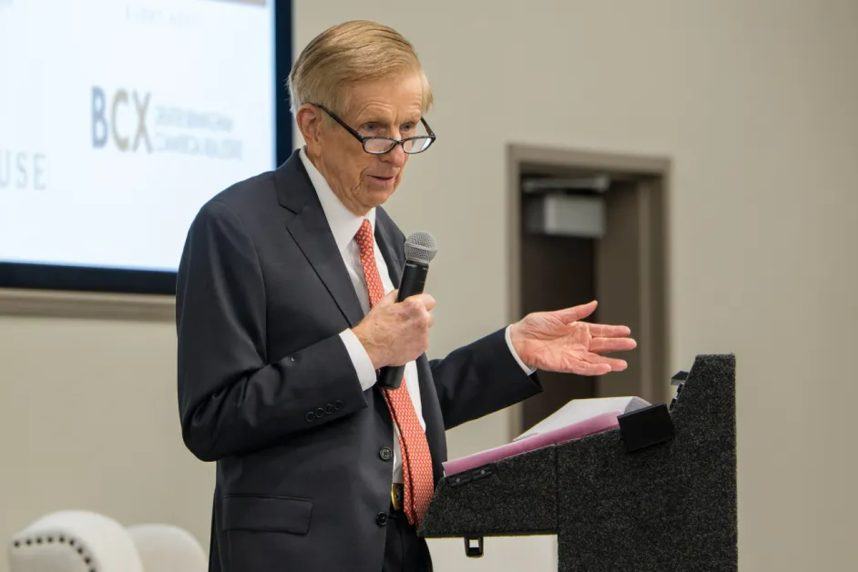
David Bronner is the chief executive officer at the Retirement Systems of Alabama (RSA), the pension fund program for state employee retirees. One of the world’s largest internally funded pension programs, the RSA is perhaps best known for developing the Robert Trent Jones Golf Trail, 11 golf courses spread across the state. Bronner was instrumental in the golf destination’s development.
Bronner is looking for new funding sources and thinks lawmakers who this year supported efforts to bring a lottery, commercial casinos, and sports betting to the state are on the right path.
However, the gaming package compromise reached by a special legislative committee failed to pass the state Senate this month by a single vote. The House had easily passed the gaming bill with the needed three-fifths majority support.
Special Session Warranted
Writing in the RSA’s June newsletter, The Advisor, Bronner says Alabamans participating in the state pension program haven’t received a cost-of-living-adjustment in 18 years. The additional state tax streams that lottery and casino gaming would deliver could help boost the pension payouts.
After the one-vote loss in the Senate, the most popular Alabama governor in my lifetime was asked about a special session, to which she replied, ‘Why would I do that?’ Simply put, because you can accomplish it,” Bronner wrote in calling on Ivey to initiate a special session to push the gaming bill across the finish line.
Ivey has been supportive of bringing slot machines, table games, sports betting, and a lottery to the Cotton State. But the governor said this month following the Senate gridlock that she won’t waste tax dollars on a special gaming session when lawmakers “cannot come to a consensus among themselves.”
Bronner says recent tax cuts made by the Legislature on groceries and overtime pay, as well as various tax credits, including $100 million for school vouchers, means less revenue for the state’s pension system.
“Antigaming folks might suggest increasing Alabama’s property taxes, which are the lowest in America, to replace this revenue, but this has been impossible to accomplish in the past,” Bronner continued. He concluded by encouraging RSA enrollees to ask the state lawmakers who voted against the gaming bill “how they plan to address the state’s problems without any new revenue in light of the recent tax cuts and loss of federal monies.”
Gaming Holdout
Legislative efforts to bring new forms of gaming to Alabama have persisted nearly every year since 1999 when state voters rejected a ballot referendum that would have created a state-run lottery. Alabama today remains free of a lottery, commercial casinos, racinos, sports betting, and iGaming.
The only permissible forms of gaming are charitable games of chance, parimutuel wagering, and Class II Indian gaming. The state’s lone federally recognized tribe, the Poarch Band of Creek Indians, runs three tribal casinos where electronic bingo-based games that resemble traditional casino slot machines operate.
The post Alabama Pension Fund Administrator Encourages Lawmakers to Authorize Gambling appeared first on Casino.org.
 The report details Play’n GO’s efforts over recent months and years to contribute to a more sustainable industry and planet. Key areas covered include Responsible Gambling, Climate Commitments, and Inclusion and Diversity. The company has also embraced a pioneering Digital First culture, giving its employees the freedom to choose where and how they work.
 In a decision that echoes through the Australian business landscape, Crown Resorts has finally secured approval to operate its Sydney casino. This long-awaited green light, granted on April 23rd, 2024, by the New South Wales Independent Casino Commission (NICC), signifies a turning point for the company.
 The Government of Madrid has announced a significant reduction in the number of land-based betting shops within the Spanish autonomous community, with a reported 60% decrease since 2019. The number of betting shops has dropped from 160 in that year to just 64 currently. Additionally, gambling saloons have seen a decreasing trend of 8%.