US Integrity Partnership Spree for Sports Betting Monitoring Continues

US Integrity is on a roll ahead of the college football season.
US Integrity sports betting Big Ten Conference
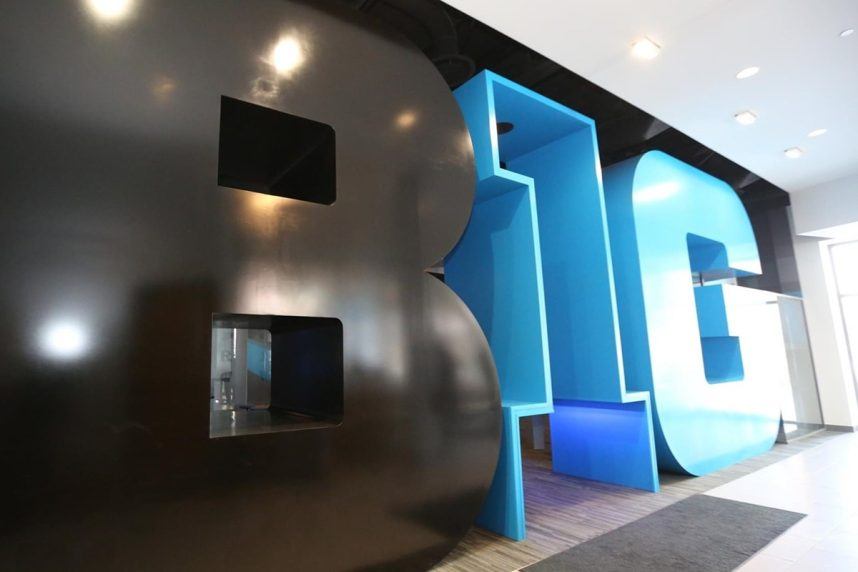
The Big Ten is the latest conference to sign a partnership with US Integrity. The sports betting monitor will surveil Big Ten games for sports betting irregularities. (Image: Big Ten Conference)

US Integrity in August alone announced partnerships with the Big Ten, Big 12, and Mountain West conferences for the tech company to keep tabs on sports betting activity related to their college sports. Founded in 2018 as a sports betting monitoring company seeking to eradicate fraud and corruption from sports gambling, US Integrity on Thursday confirmed its fourth major conference partnership reached in August with Conference USA.

The Big 10, Big 12, Mountain West, and Conference USA join US Integrity’s other conference clients, which include the SEC, Pac-12, Big West, Big Sky, and West Coast Conference. The sports betting monitor says its mission is to grow the legal sports gambling market by strengthening game integrity. Along with the aforementioned conferences, US Integrity has an array of school partnerships for similar monitoring services.

As a US Integrity partner, odds and line movements for those conferences and partner schools will be monitored by the tech firm, which is based in Las Vegas and New York. US Integrity’s proprietary dashboard, the firm says, allows its team to conduct analysis across dozens of data sets to proactively identify irregular wagering behaviors and patterns.

The goal is to assure the NCAA, conferences, teams, players, bettors, and the general public that the country’s ongoing expansion of legal sports betting isn’t impacting the legitimacy of the games.

Injury Reports Going Public

A common example of how sports betting might impact the integrity of a game is when a player or team member with confidential knowledge of a player’s injury status shares that information with an outside individual who then attempts to use the intelligence to their advantage via gambling.

For instance, if USC quarterback Caleb Williams suffers an injury during practice and is unlikely to start, and that information falls into the wrong hands, a bettor might wager heavily on USC not covering the spread or staying under the game’s over/under point total. Williams is expected to be one of college football’s most electrifying players this year. He’s the betting front-runner for the Heisman Trophy at +450.

Colleges have traditionally refrained from making injury reports public because of privacy concerns. But beginning this year, in the age of widespread sports betting, one major conference is requiring such disclosures to be made public ahead of kickoff.

HIPPA, the Health Insurance Portability and Accountability Act of 1996, set national standards that prohibit medical professionals from sharing a patient’s sensitive health information with another party without the patient’s consent. In pro sports like the NFL, players are required to sign HIPPA disclosures. But since college athletes are technically amateurs and are not directly paid by their universities, a school or conference’s legal ability to require student-athletes to sign health information disclosures has been questioned.

The Big Ten Conference last week announced it will be the first Power 5 conference to require teams to produce player availability reports. The conference is circumventing HIPPA concerns by simply requiring each team to say whether a player is available or not. No specific information on their injury or health is to be disclosed. The player status reports are due at least two hours before the start of a game.

“The well-being of our students, coaches, and staff, as well as the integrity of our competitions, are of paramount importance,” said Big Ten Commissioner Tony Petitti. “Enhanced transparency through availability reporting and partnering with US Integrity strengthens our efforts to protect those who participate in our games as well as the integrity of the games themselves.”

Reporting Resource

“If you see something, say something” is being applied to college sports and sports betting. Along with US Integrity monitoring betting markets, the firm this week announced an integration with RealResponse, a popular communication tool utilized by more than 150 colleges and universities.

RealResponse allows for confidential communications between players, coaches, team officials, and school administrators. RealResponse announced this week that, effective immediately, its mobile platform now includes a sports betting tool that allows student-athletes to anonymously report suspicions of sports betting policy infractions.

The post US Integrity Partnership Spree for Sports Betting Monitoring Continues appeared first on Casino.org.

Sports Wagers in Louisiana Amount to 135 Million Dollars in July

The Louisiana Gaming Control Board, the regulator in charge of overseeing sports betting and gambling in the state, has announced the sector’s financial results for the month of July 2023 and the numbers show a healthy increase in sports wagers.

Going Mobile

louisiana_reports_sports_wagers_of_dlr135_million_in_july (1)Sports wagers in Louisiana amounted to 134.8 million dollars in July, a figure which represents an increase of 14 percent compared to the same month of the previous year.
The best-performing sector was mobile sports betting, which attracted 122.5 million dollars in wagers during the month of July. That total represents an increase of 18.6 percent year-on-year. Baseball was the most popular sport for mobile bettors in Louisiana in July, it managed to attract wagers amounting to a total of 2.7 million dollars.

Retail sportsbooks in the state did not perform so well, in fact, they recorded a significant decline in July. The total wagers at retail locations was 19.4 percent lower compared to the financial results of July 2022, amounting to just 12.2 million dollars. In the case of retail sportsbooks most punters chose to play parlay bets, which attracted over 1.2 million dollars in wagers.

Casinos Register Downward Trend

Casino revenue in the state of Louisiana was not that great in the month of July, it registered a decrease both when compared to July 2022 and with June 2023. Harrah’s New Orleans Casino, the land-based venue which is owned and operated by Caesars Entertainment, reported gross gaming revenue of 17.5 million dollars in July 2023, 11.9 percent lower than the previous month and 22.8 less than what it recorded in July 2022.

Riverboat casinos in the state managed to bring in a total of 146.6 million dollars in adjusted gross revenue during the month of July. That was a good result considering that two riverboat casinos, one in Lake Charles and another in Bossier City, are currently closed.

Slot games located at the state’s racetracks reported slight increases in activity during July compared last month and last year. The Evangeline Downs racetrack registered the largest increase, with adjusted gross revenue going up by 7.3 percent to almost 6.5 million dollars.

Delta Downs was the best-performing racetrack in July when it comes to adjusted gross revenue, with a total amount of over 14.2 million dollars. Overall, total revenue from slot machines in Louisiana amounted to 27.6 million dollars, while the four racetracks in the state paid a total of 4.2 million in state tax.

Source: “Louisiana mobile sports betting wagers rise 18.6% year-over-year for July“. Gaming America. August 22, 2023.

The post Sports Wagers in Louisiana Amount to 135 Million Dollars in July appeared first on Casino News Daily.

Kentucky Sports Betting Sign-ups Begin This Month

Online sportsbooks in Kentucky won’t be open until the end of September, but officials said today that residents will be able to register for accounts by the end of this month.

Kentucky sports betting
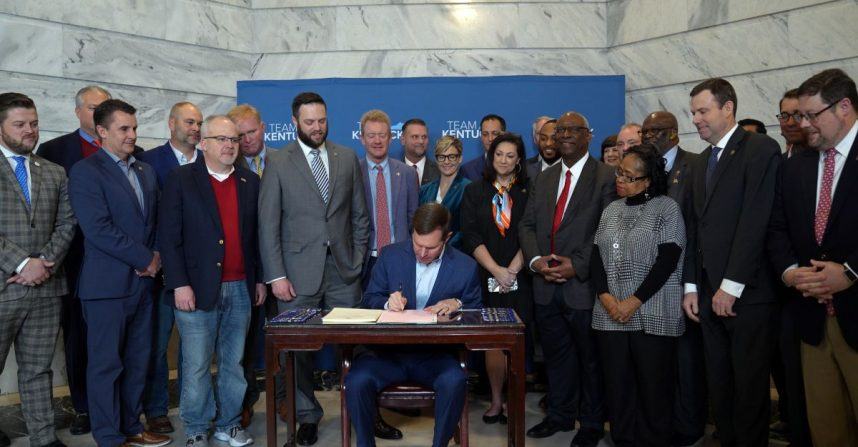
On March 31, Kentucky Gov. Andy Beshear (seated) held a ceremonial signing for House Bill 551, which legalizes sports betting in the state. This week, the governor announced a timeline for sportsbook sign-ups. (Image: Gov. Andy Beshear/Twitter)

“The countdown is on. We are just three weeks away from sports wagering in Kentucky,” Gov. Andy Beshear said in a news release Thursday. “We are ready to deliver the quality entertainment experience Kentuckians asked for while bringing money to the state to support pensions and free up funds that can be used to build a better Kentucky.”

Seven online sportsbooks submitted license applications earlier this month: Bet365, BetMGM, Caesars, Circa, DraftKings, FanDuel, and Penn Sports Interactive.  Kentucky’s sports betting law allows up to 27 online licenses, three for each of its nine-horse racetracks.

Seven racetracks submitted applications for brick-and-mortar sportsbooks: Churchill Downs in Louisville, Ellis Park in Henderson, Oak Grove Gaming and Racing in  Oak Grove, The Red Mile in Lexington, Turfway Park in Florence, and two soon-to-open racetracks, Cumberland Run in Corbin, and Sandy’s Gaming and Racing in Ashland.

Winners Decided Next Week

The Kentucky Horse Racing Commission will decide on which operators to approve at its Aug. 22 meeting. Sign-ups for approved online sportsbooks will begin by Aug. 28.

Betting in the Bluegrass State begins a week later, on Sept. 7, but only at in-person facilities. Beshar, a bipartisan sports betting law champion, has said he will be proud to place the first bet that day, which is the first of the NFL season.

Online sportsbooks will be able to begin accepting deposits from customers on Sept. 7, but actual betting will have to wait three weeks, until Sept. 28.

Tiered Implementation

Kentucky is taking a tiered approach to implementing its new sports betting law to test policies and procedures at brick-and-mortar sportsbooks before mobile applications begin accepting bets.

The KHRC is excited to open sports wagering and is working efficiently to meet the necessary deadlines,” Chairman Jonathan Rabinowitz said in a statement. “This is a careful process dedicated to wagering integrity and protecting bettors in the state of Kentucky.”

Officials estimate Kentucky will earn $23 million in annual tax revenue once its sports betting law is fully implemented. Online sportsbooks are taxed at a rate of 14.25%, while brick-and-mortar facilities pay 9.75%.

Kentucky will send 2.5% of the proceeds to a newly created problem gambling fund.

The post Kentucky Sports Betting Sign-ups Begin This Month appeared first on Casino.org.

Seminole Tribe, DeSantis Win Florida Sports Bet Ruling

seminole_tribe_desantis_win_florida_sports_bet_rulingAn error by a federal judge soon after sportsbooks launched in Florida lawmakers on the budget committee along with recipients of state funding as well as Gov. Ron DeSantis have scored a rather large victory in court – worth at least $2.5 billion and as much as $6b by some estimates.


A three-judge panel on the D.C. Circuit Court of Appeals has rejected a challenge to the 2021 state/tribal gaming compact in Florida that authorized the Seminole Tribe there to offer mobile sports betting. The practice was banned soon after books opened for business in 2021 and online sports betting in the state has been deemed in violation of the law since that time.

Sports Betting Could Open Back Up in Florida Right Away

However, that could change at any time with the new ruling. Sportsbetting could return to Florida virtually overnight.

In a nutshell, the judges decided that any conflict with the opposing party needed to be settled under state law as none of the assertions made actually had anything to do with federal law. So, while it may appear to be a landmark decision, it was really more of a venue correction than anything else in the final analysis and an appeal by the plaintiffs could send the industry right back into a death spiral at any time with a challenge to the decision and an injunction.

The Seminole Tribe applauded the decision but stopped short of saying it would resume sports betting right away.

A lawyer representing the casinos that had challenged the compact pointed out what the plaintiff side saw as nonsensical – according to Hamish Hume, the court had somehow “recognized” that federal gambling laws “cannot authorize gambling off of Indian lands, but then upheld a compact that purports on its face to do exactly that.”

The legal counsel stated, “We respectfully disagree with that decision, and are evaluating our possible next steps.”

The federal appeals court’s reversal of a lower court judge’s order was personally and politically important for Florida Governor Ron DeSantis because he personally lobbied lawmakers to pass the compact in 2021.

A spokesman for the governor stated: “While we are not surprised the lower court’s perplexing ruling was unanimously overturned, this is great news for Florida,” Mahon said in an email to Politico. “We will continue working with the Seminole Tribe of Florida to ensure the success of this historic compact — the largest gaming compact in US history.”

A spokesman for the Seminole Tribe said of the most recent decision: “The Seminole Tribe of Florida is pleased with today’s unanimous decision. It is a positive outcome for the Seminole Tribe and the people of Florida and for all of Indian Country. The Tribe is fully reviewing the decision to determine its next steps.”

New Compact Also Authorizes Table Games

In addition to authorizing sports betting the “new compact” also allowed the tribe to offer table games such as craps and roulette to its existing slots casinos and to build at least one more casino on its reservation the Hollywood area which already has a Hard Rock Hotel & Casino.

In the ruling that blocked implementation of the compact, D.C. District Judge Dabney Friedrich decided the compact was beyond what the laws allowed because it let people place sports bets anywhere in the state – which could be a violation of federal law that govern gambling on Tribal lands.

The impetus of the adverse decision was a pair of lawsuits brought by an anti-gambling group active in Florida, another that focuses primarily on the southern part of the state and casino competitors. Plaintiffs had sued U.S. Secretary of the Interior Deb Haaland, who didn’t block the compact but instead took no action and allowed it to automatically come into effect after some time as prescribed by law.

The erring judge also determined that it would take a new citizens’ initiative to authorize sports betting under the premise that voters passed a law in 2018 that required any expansion of casino gambling without a citizen’s initiative – that law was supported by both Disney Corp and the Tribe.

The Tribe and DeSantis relied on the legal theory that bets processed on servers physically situated on tribal lands were indeed placed “on the Reservation”. The Trump-appointed judge called that a “fiction” and stated that: “When a federal statute authorizes an activity only at specific locations, parties may not evade that limitation by ‘deeming’ their activity to occur where it, as a factual matter, does not.”

The panel of D.C. appeals court judges in essence said that neither argument mattered in this instance: “Whether it is otherwise lawful for a patron to place bets from non-tribal land within Florida may be a question for that State’s courts, but it is not the subject of this litigation and not for us to decide.”

We hold only that the Secretary’s decision not to act on the Compact was consistent with <federal law>,” wrote Wilkins who added, “We express no opinion as to whether the Florida statute ratifying the compact is constitutional” under Florida law.

The balance of arguments raised by the litigants against the legality of the compact was also summarily dismissed as a ‘matter for state courts to decide’.

Source: DeSantis scores big legal win upholding $2.5B gambling deal with Florida tribe, Politico, June 30, 2023

The post Seminole Tribe, DeSantis Win Florida Sports Bet Ruling appeared first on Casino News Daily.

Genius Sports Could Be Hidden Gem Among Sports Betting Stocks

Shares of sports betting data provider Genius Sports (NYSE: GENI) are higher by nearly 57% year-to-date and on May 26, closed at the highest levels since February. A sell-side analyst believes the stock has more upside ahead.

Genius Sports
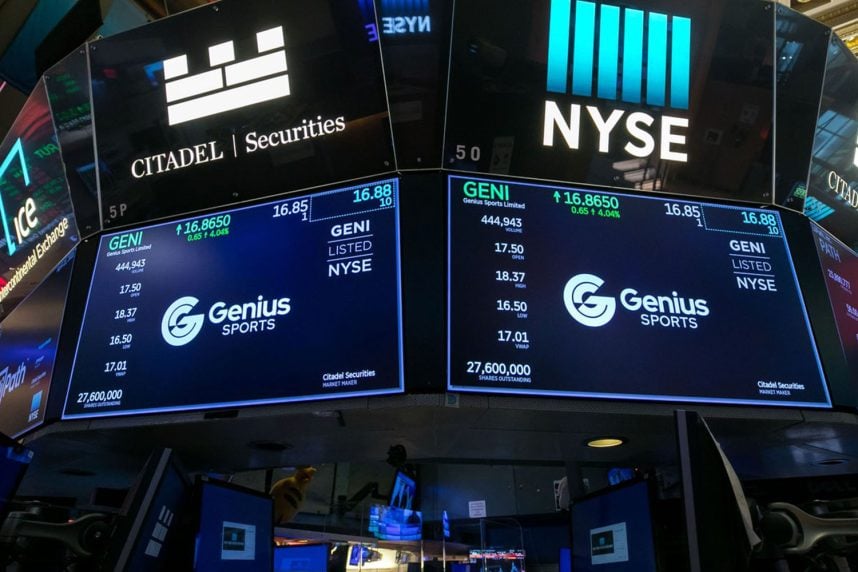
Genius Sports appears on the screens of the NYSE after it went public. An analyst says the stock can deliver more upside. (Image: Genius Sports)

In a recent note to clients, Lake Street Capital markets analyst Eric Martinuzzi initiated coverage of Genius Sports with “buy” rating and a $7 price target. That implies upside of 25% from the May 26 close. That’s slightly below the Wall Street consensus of $7.50, but Martinuzzi is now one of nine analysts covering Genius with a “buy” or “strong buy” rating. Another calls the stock a “hold.”

The analyst described Genius as a “picks and shovels player” that markets live betting data and “other sticky services” to global sportsbook operators, including Bet365 and DraftKings (NASDAQ: DKNG), among others. Some analysts believe the stock  could benefit from bettors’ increasing preference for in-game or live wagers over pregame investments.

That thesis could further be enhanced by same-game parlays — bets operators such as DraftKings and FanDuel are leveraging to significant success.

Genius ‘Baby’ Thrown Out with ‘SPACwater’

London-based Genius Sports went publicly in April 2021 following a reverse merger with special purpose acquisition company (SPAC) dMY Technology Group, Inc. II. The stock caught some of the tail-end of investors’ enthusiasm for SPAC and sports betting stocks, but slumped last year as market participants punished equities previously tied to blank-check companies.

At one point in 2021, Genius traded north of $24 and Martinuzzi describes the subsequent tumble experienced by the stock as a case of the “Genius baby being thrown out with the SPACwater.”

Genius is on the cusp of turning free cash flow positive and is growing faster than its higher-valued peers,” wrote the Lake Capital analyst. “We also feel it has better rights relationships — NFL, English Premier League — and offers faster profit growth than data licensing competitor Sportradar. We anticipate Genius showing fundamental outperformance driven by a decade-plus growth in U.S. sports betting as more states legalize online gambling.”

Genius hovering around profitability and generating free cash flow are noteworthy traits if for no other reason than that they’re rare in the universe of sports betting equities.

Genius Sports Impressive Client Roster

Martinuzzi is right to mention Genius Sports’ client portfolio — a roster that includes not only the English Premier League and the NFL, but the PGA Tour, Major League Baseball (MLB), the NCAA and Euroleague Basketball, among others.

In addition to the NFL itself, which is also a major Genius shareholder, several of the league’s teams are Genius clients as are some of the biggest names in sports broadcasting, including ESPN.

Beyond Bet365 and DraftKings, Genius’s other sprotsbook clients include 888 Sports, BetMGM and Caesars, according to the data provider’s website.

The post Genius Sports Could Be Hidden Gem Among Sports Betting Stocks appeared first on Casino.org.