Lawsuit Targets Google and Apple Over Sweepstakes Casino Apps

Apple-Google-get-hit-with-RICO-lawsuit-over-sweepstakes-in-New-JerseyTech giants Google and Apple are under legal scrutiny in New Jersey, facing allegations of violating the Racketeer Influenced and Corrupt Organizations (RICO) Act. The lawsuit, filed on November 27, implicates their roles in hosting and processing payments for sweepstakes casino apps—a controversial sector blending social gaming with gambling-like features. Julian Bargo, the lead plaintiff, claims losses exceeding $1,000 while engaging with these platforms, which he asserts operate as illegal gambling enterprises.

Sweepstakes Casino Operations Under Fire

Sweepstakes casinos function by allowing players to use virtual currency purchased with real money to access gambling-like games, including slots, blackjack, and roulette. Some platforms add sweepstakes mechanics, offering real-money prizes to further entice users. While popular for their accessibility and entertainment value, these platforms have sparked criticism for allegedly turning smartphones into unregulated gambling devices.

Unlike traditional casinos, sweepstakes operators are not subject to U.S. licensing or regulatory oversight. This lack of regulation enables them to avoid gaming taxes, despite primarily targeting American consumers. Many major operators, such as Australia-based Virtual Gaming Worlds (VGW), are headquartered offshore. VGW, which runs platforms like Chumba Casino, LuckyLand Slots, and Global Poker, exemplifies the sector’s financial success, reporting $4 billion in revenue and $322 million in net earnings in 2023.

Critics argue that the regulatory gap disadvantages licensed operators who comply with strict U.S. laws. Additionally, the accessibility of these apps raises concerns about problem gambling, particularly among younger users drawn to their casual gaming format.

Legal Implications for Google and Apple

The lawsuit accuses Google and Apple of enabling these platforms by hosting their apps on the Google Play Store and Apple App Store. It further alleges that their payment systems, Google Pay and Apple Pay, facilitate transactions for purchasing virtual currency, effectively supporting and profiting from the alleged illegal activities.

According to the suit, “The sweepstakes casino enterprise is an association-in-fact composed of the App Defendants and the Gaming Defendants who are engaged in, and whose activities affect, interstate commerce, and which have affected and damaged interstate commercial activity.” The plaintiff asserts that both companies’ involvement constitutes a violation of RICO statutes, which are traditionally used to combat organized crime. By leveraging RICO’s provisions, the case remains in civil court, bypassing arbitration procedures that often apply to disputes involving app platforms.

Broader Industry and Regulatory Challenges

The rapid growth of sweepstakes casinos has drawn attention from the regulated gaming industry. Licensed online casinos operating in just seven U.S. states generated $6.1 billion in gross revenue in 2022, according to the American Gaming Association (AGA). In contrast, legal sports betting, available in over 30 states, brought in $11 billion during the same period. Stakeholders in the regulated market view sweepstakes platforms as a competitive threat operating outside traditional oversight mechanisms.

The lawsuit against Google and Apple underscores calls for stricter regulatory oversight of sweepstakes casinos. Advocates for regulation argue that aligning these platforms with traditional gambling laws would enhance consumer protections, ensure tax contributions, and level the competitive landscape. However, the offshore nature of many operators presents significant enforcement challenges.

As the case unfolds, it marks the first instance where Google Pay and Apple Pay have been named in legal action concerning sweepstakes casinos. Previously, similar lawsuits, such as one in Florida against VGW, included payment processors like Worldpay as co-defendants. This New Jersey lawsuit could set a precedent, reshaping how tech giants manage app platforms and payment systems linked to controversial gaming models.

Source:

Google Pay and Apple Pay named in US sweepstake casino lawsuit, paymentexpert.com, December 3, 2024.

The post Lawsuit Targets Google and Apple Over Sweepstakes Casino Apps appeared first on Casino News Daily.

Brazil Senate Delays Vote on Casino Legalization Bill

Brazil-senate-delays-land-based-casino-bill-vote-until-2025In a major update for Brazil’s gambling landscape, the vote on a crucial bill that would legalize land-based casinos, bingo halls, and the controversial street lottery game jogo do bicho has been postponed by the Brazilian Senate. Initially scheduled for December 4, 2024, the vote now faces an uncertain timeline, with discussions likely to continue into 2025.

The delay was announced by Senate President Rodrigo Pacheco on Thursday, November 28, with the vote now potentially set for December 10, 2024. The decision came after resistance from various political factions, including vocal opposition from some religious and social groups concerned about the impact of increased gambling activity on vulnerable populations.

The bill, which has already passed the lower house in 2022, is part of a wider push by the Brazilian government to regulate and legalize various gambling activities within the country. As Pacheco explained, the bill is one of the Senate’s top priorities, along with other significant reforms such as tax regulations and artificial intelligence governance. The Senate has been working through an ambitious agenda ahead of the parliamentary recess scheduled to start on December 23, 2024.

Heated Debate on Economic Benefits vs. Social Concerns

The bill has sparked a heated debate in Brazil, with proponents arguing that legalizing casinos and bingo halls will create jobs, attract foreign investment, and boost tourism. Supporters also point out that legalization could help curb the illegal jogo do bicho, which is currently run by criminal organizations. These proponents, including members of the government and the Ministry of Finance, highlight the economic potential of regulating these industries in the same way that sports betting was legalized earlier in the country.

“The gambling sector is already active in Brazil, whether legal or not. By bringing it into the light and creating a structured legal framework, we can ensure greater transparency and regulate the market effectively,” said a government official who supports the measure.

However, there is considerable opposition, particularly from those concerned about the social and moral implications. Critics fear that legalizing more forms of gambling will exacerbate problems like gambling addiction and money laundering. The evangelical community, in particular, has voiced strong objections, warning that expanded gambling will have damaging effects on families and public health.

Senator Eduardo Girão (Novo-CE), a prominent critic, pointed to the rise of gambling-related debt, particularly among lower-income groups, as a major reason to halt the proposal. The National Confederation of Commerce of Goods, Services, and Tourism has also raised concerns about the potential economic losses caused by increased gambling spending, which they argue could divert funds from essential goods and services.

What the Bill Proposes

The proposed legislation is sweeping, allowing casinos to operate in integrated resorts or high-end hotels with a minimum of 100 rooms alongside meeting facilities, restaurants, and shopping areas. It also permits the establishment of casinos on sea and river vessels, with specific limits on the number of licenses granted per state.

Bingo halls would also be legalized, with each municipality allowed to operate one for every 150,000 inhabitants or one per municipality with fewer than 150,000 people. In addition, the bill would authorize the continuation and regulation of the jogo do bicho, but only under strict oversight, with a single operator allowed per 700,000 inhabitants. The bill also proposes regulations for electronic and card bingo games, as well as horse racing operated by tourism entities accredited by the Ministry of Agriculture.

The revenue from the gambling sector would be heavily taxed, with proceeds earmarked for various social causes, including addiction prevention programs, child protection, and funding for areas affected by natural disasters.

Economic Impact and Future Prospects

Supporters of the bill argue that the legalization of casinos and bingo will inject billions into the Brazilian economy and create significant employment opportunities. Estimates suggest that the gambling industry could generate up to R$100 billion in investment and create 1.5 million jobs. The proposed taxes on gambling, including a 17% rate on gross gaming revenue, would also contribute to the national coffers, potentially generating R$22 billion annually.

The Brazilian Ministry of Finance has supported the initiative, citing the need for modernization and regulation of the gambling market. Finance Minister Fernando Haddad, alongside Senator Irajá Abreu (PSD-TO), has advocated for a robust legal framework that ensures fairness and transparency in the sector.

Social Risks and the Future of Gambling in Brazil

Despite the potential economic benefits, the proposal faces an uncertain future. While President Lula has expressed a willingness to sign the bill into law if it passes through Congress, his comments reflect a cautious stance. “I am not in favor of gambling, but if Congress agrees and it’s done responsibly, I see no reason to veto it,” said Lula in a recent interview. However, he warned against the exaggerated promises of job creation and economic growth often associated with such proposals.

The postponement of the vote reflects the significant opposition to the bill, particularly from religious and social groups. However, as discussions continue, it remains clear that the issue of gambling legalization is far from resolved. As the Senate continues to weigh the benefits of increased regulation against the risks of addiction and crime, the future of the gambling industry in Brazil hangs in the balance.

Source:

Senado adia projeto que autoriza cassinos e bingos no país; proposta fica para 2025, senado.leg.br, December 4, 2024

The post Brazil Senate Delays Vote on Casino Legalization Bill appeared first on Casino News Daily.

Polymarket Faces Regulatory Block in France Over Illegal Gambling Concerns

French-regulator-blocks-crypto-predictions-operator-PolymarketFrance’s gambling regulator, l’Autorité Nationale des Jeux (ANJ), has imposed a geo-block on Polymarket.com, a crypto-based prediction market platform, over allegations of illegal gambling. The platform, operated by Web3 developer Adventure One QSS and licensed in Panama, has been restricted from serving users in France since November 21, 2024.
Illegal Games of Chance in Focus

ANJ monitored Polymarket throughout November, identifying concerns over its offerings, including online games of chance such as slots, which remain prohibited under French law. These activities prompted ANJ to contact Adventure One QSS, leading to the implementation of geoblocking measures to restrict access for French users.

French residents attempting to access Polymarket now encounter a pop-up message explaining the restriction. Despite this, reports indicate that users have managed to bypass the block by using virtual private networks (VPNs), raising concerns about the effectiveness of such measures.

In addition to gambling violations, Polymarket’s prediction markets—where users trade shares on event outcomes—have drawn scrutiny for potential insider trading. A particularly notable case involved a French trader, known as “Theo,” who allegedly placed bets between $28 million and $40 million on Donald Trump winning the 2024 U.S. presidential election. The volume of these bets sparked fears of market manipulation and heightened regulatory focus on the platform.

Broader Issues with Polymarket

Polymarket has faced similar legal challenges outside France. In 2022, the platform was fined $1.4 million by the U.S. Commodity Futures Trading Commission (CFTC) for operating without proper registration. Trading was temporarily halted following the penalty.

As of now, the ANJ has added Polymarket to its growing blacklist of over 944 URLs that violate French gambling laws. The regulator warns users about the risks of playing on unlicensed platforms, including potential identity theft, fraud, and non-payment of winnings.

“In general, the ANJ would like to warn people who play on illegal sites because they are exposing themselves to particularly serious risks,” the regulator said in a statement. It also advises players to consult its official list of licensed operators to ensure they are gambling legally.

Future of Online Slots in France

The Polymarket case arises at a time when France is reevaluating its stance on online gambling. In October 2024, the French government proposed an amendment to its 2025 budget, aiming to legalize online casino games, including slots. This move, supported by Budget Minister Laurent Saint-Martin, is set to undergo a six-month consultation in 2025.

While new legislation may take years to materialize, the consultation could pave the way for regulated online slots to launch by 2026. For now, ANJ remains firm in its enforcement of existing gambling laws, as demonstrated by its actions against Polymarket.

Challenges for Crypto-Based Platforms

Polymarket’s case highlights the difficulties crypto-based prediction platforms face in navigating regulatory landscapes. These platforms operate at the intersection of gambling, blockchain, and financial markets, often attracting scrutiny from multiple jurisdictions.

As Polymarket works to address compliance concerns in France, the broader question of how regulators manage crypto prediction markets remains unresolved. The platform’s ongoing engagement with stakeholders and adjustments to its offerings may shape its ability to operate within legal frameworks moving forward.

Source:

French regulator blocks crypto operator Polymarket“, igamingbusiness.com, December 2, 2024.

The post Polymarket Faces Regulatory Block in France Over Illegal Gambling Concerns appeared first on Casino News Daily.

World Health Organization Says Normalization of Gambling a Detriment to Global Wellness

The World Health Organization (WHO) is calling for an overhaul of the global gaming industry on concerns that the normalization of sports betting and other casino games is a detriment to public health.

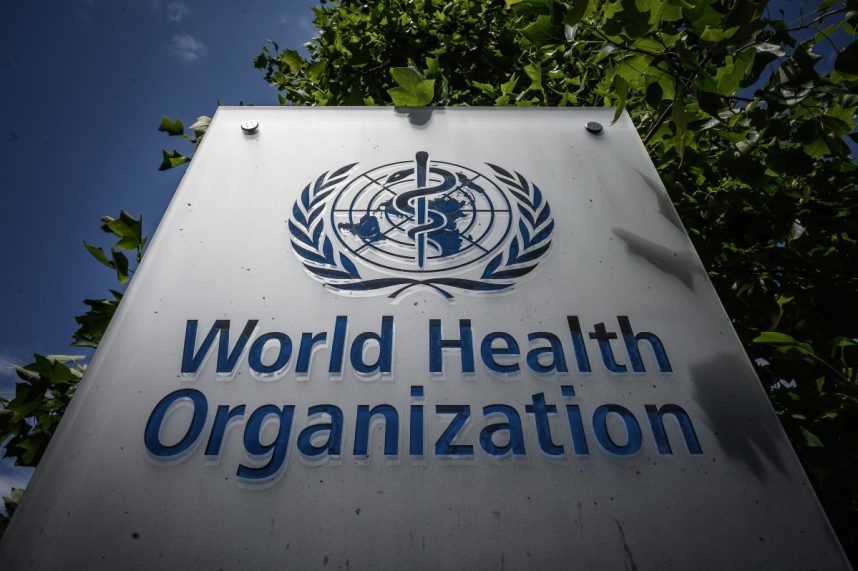
World Health Organization WHO gambling harm
The World Health Organization headquarters in Geneva, Switzerland. The intergovernmental health agency believes gambling harms are escalating around the globe. (Image: Getty)

WHO, the specialized agency of the United Nations tasked with improving public health around the world, this week published its latest fact sheet on gambling. The report suggests that gambling problems are rising and causing more harm than ever before.

WHO estimates that 1.2% of the world’s adult population has a gambling disorder. For every person afflicted, an average of six others (usually nongamblers) are affected. The number is higher amid kinship cultures like Indigenous people.

The international health agency says people with gambling problems are 15 times likelier to die by suicide than the general population. Gaming disorders also lead to food insecurity, housing problems, and difficulties paying for and receiving healthcare.

Mounting Challenges 

WHO researchers say the proliferation of sports betting, specifically in the United States, has mainstreamed gambling and introduced tens of millions of new consumers to the industry. The internet has also made gambling accessible almost anywhere, anytime, even in places where gambling and/or online gambling is prohibited.

The organization says responsible gaming standards have largely failed.

There is often little transparency about the way many gambling products function. Electronic gaming machines can mislead users with design features that encourage extended use. Alongside strong regulation of gambling products and their availability, clear warning messages about harms associated with use are likely to be more effective than messages suggestions to simply stop when gambling is no longer fun, for instance,” the fact sheet read. 

WHO took specific issue with the rise of online gambling.

“There is no global agreement for the regulation of online gambling. Unlicensed providers regularly offer unregulated gambling products, and there is an urgent need for the regulation of online gambling,” the organization continued.

WHO is additionally calling on lawmakers to ban all gambling-related advertising, promotion, and sponsorship. The agency urges universal loss limits, maximum bets, and required breaks during gambling sessions.  

WHO says a deep probe into the gaming industry’s political activities and influence on gambling harm research is warranted.

The American Gaming Association (AGA), which represents the commercial and tribal gaming industries in the US, said in October following an international study that found the continued expansion of gambling poses a significant threat to public health that the sector has made investments to advance responsible gaming, expand consumer resources, and promote “safer gambling.” AGA Strategic Communications Senior Vice President Joe Maloney said the lobbying group “firmly supports ongoing discussions and the adoption of best practices.”

Reducing Stigmas

WHO concluded that problem gambling, unlike some other addictions and mental health issues, has a very low rate of treatment uptake. The group estimates that fewer than 1% of those with a gambling disorder seek formal help.

Stigma and shame often prevent people from seeking help. The preferred regulatory approach of the gambling industry — so-called responsible gambling — adds to this burden by effectively blaming those who experience harm,” WHO detailed.

WHO concluded by revealing its plans to coordinate a group of global experts to address the public health challenges caused by gambling. The focus will be to reduce stigma and shame related to gambling disorders, work to end advertising and promotion of gambling, and develop ways to lessen problem gambling rates, with an emphasis on low- and middle-income countries. 

The post World Health Organization Says Normalization of Gambling a Detriment to Global Wellness appeared first on Casino.org.

Curaçao GCB Responds to Corruption Allegations in Licensing Reform

Curacao-gambling-regulator-refutes-licensing-reform-corruption-allegations The Gaming Control Board (GCB) of Curaçao has issued a strong rebuttal against allegations of corruption, fraud, and money laundering in its gambling licensing reform. The claims, brought forward by local politician Luigi Faneyte of the opposition Real Alternative Party, accuse the GCB of issuing licenses without proper legal authority and leading to financial mismanagement. Faneyte filed a report with the attorney general’s office on November 25, asserting that these practices have caused significant financial losses.


Addressing Licensing Allegations

Faneyte’s allegations specifically targeted Curaçao’s finance minister, Javier Silvania, suggesting that licenses were being issued unlawfully. However, the GCB clarified that it exclusively manages the licensing process, a responsibility it has held since 2020 when the Minister of Finance delegated this authority.

“The GCB has the authority to grant, amend, suspend temporarily, revoke, or deny licenses, as well as attach terms and conditions to licenses. The allegation that the GCB lacks the legal authority to grant licenses is therefore incorrect,” the board stated.

The GCB emphasized that its licensing process involves multiple rigorous stages, including document verification, due diligence on decision-makers, and an evaluation of business plans and websites. All interactions occur through the GCB’s online portal, ensuring transparency and enabling applicants to track their progress in real time.

Financial Integrity and Fee Payment

In response to accusations of financial mismanagement, the GCB underscored that licensing fees are paid directly into an official government bank account. “There is no scope for mismanagement. The assertion that funds may have been embezzled is therefore not correct,” the GCB asserted. Only after payments are confirmed is a license granted.

Enhancing Player Protections

The GCB also addressed recent concerns stemming from the bankruptcy ruling involving Curaçao-licensed operator BC.Game. The Foundation for the Representation of Victims of Online Gaming (SBGOK) had filed a case against the operator for failing to pay out player winnings. The GCB clarified that player complaints are currently managed by operators under their terms and conditions.

Looking ahead, the introduction of the National Ordinance for Games of Chance (LOK) will require mandatory Alternative Dispute Resolution (ADR) mechanisms. These measures aim to ensure independent evaluations of player complaints and strengthen the overall regulatory framework.

Foreign Compliance and Enforcement

Curaçao-licensed operators operating internationally remain responsible for adhering to the laws of the jurisdictions in which they operate. The GCB noted its limited jurisdiction over such matters but relies on formal decisions from competent foreign authorities to guide its enforcement actions.

Moving Forward

The GCB is collaborating with global experts to implement its new licensing framework effectively, which includes transitioning existing licensees to provisional licenses under LOK by 2024. This phased approach aims to ensure compliance with enhanced regulatory standards.

As the GCB continues to modernize its oversight capabilities, including exploring advanced technologies, it remains steadfast in its commitment to transparency and accountability in Curaçao’s gambling industry.

Source:

Curaçao gambling regulator refutes licensing reform corruption allegations“, igamingbusiness.com, November 29, 2024.

The post Curaçao GCB Responds to Corruption Allegations in Licensing Reform appeared first on Casino News Daily.