Italy Changes Regulations for Issuing Gaming Licenses

Italy changes the gambling law when it comes to licenses. Since the Reorganization of Gambling legislation was published, the operators weren’t satisfied, so a new framework came as an amendment to the ongoing regulations.

Resolve the operations issues

italys_take_on_licensing_framework_for_online_gambling_The main mission of this framework is to resolve legal disputes between the ADM (Italy’s Customs and Monopolies Agency) and operators, who can’t come to an agreement about the terms of license renewal. Among the issues was the fact that ADM wanted to terminate all licenses that were to expire in 2023 or 2024, and the government had to intervene.

Thanks to the new framework, the new operators will get licensed in Italy in the upcoming few months. Their licenses will last for nine years, and the fee they would have to pay is set at €7 million ($7,5 million). According to the previous law from 2018, the license fee was €200,000 ($214,834), so this is a significant increase in the fees. But that’s not all – after taxes, all operators will have to pay 3% of Gross Gaming Revenue (GGR) annually.

The Ministry of Finance (MEF) claims that the Italian gaming market changed in 2011 and that it’s the reason for increased fees. At the moment, big names such as SNAI, Flutter Entertainment, Lottomatica, Entain, and SKS365 dominate the market. As the Ministry of Economy and Finance estimates, around 50 operators will be interested in renewing the license.

The operators are obligated to operate only one app for each product they have, and concessionaires can have only one website.

It is expected that gaming taxes in Italy will further increase in upcoming years – €200 million in 2024 and €150 million in 2025. On top of that, the concession fees will bring €100 million annually to the government.

New requirements and tender for Lotto

Among other requirements for operators, there’s a set of technical ones. Among them is setting playing limits on platforms, which have to be set by customers, and incorporating warning messages when a player comes close to that limit. On top of that, ADM will have the right to fight unlicensed operators, including blocking their payments.

Popular Italy’s Lotto Euro game will get a new operator, and the government is about to launch a tender. Until November 2025, the game is managed by IGT, but the state is looking for a new operator. The bid begins at €1 billion.

After 2025, it is expected that the game will earn €7,7 billion annual turnover. On top of that, net annual revenue for nine years is about €200 million.

Source: “Italy’s take on licensing framework for online gambling”, April 16, 2024.

The post Italy Changes Regulations for Issuing Gaming Licenses appeared first on Casino News Daily.
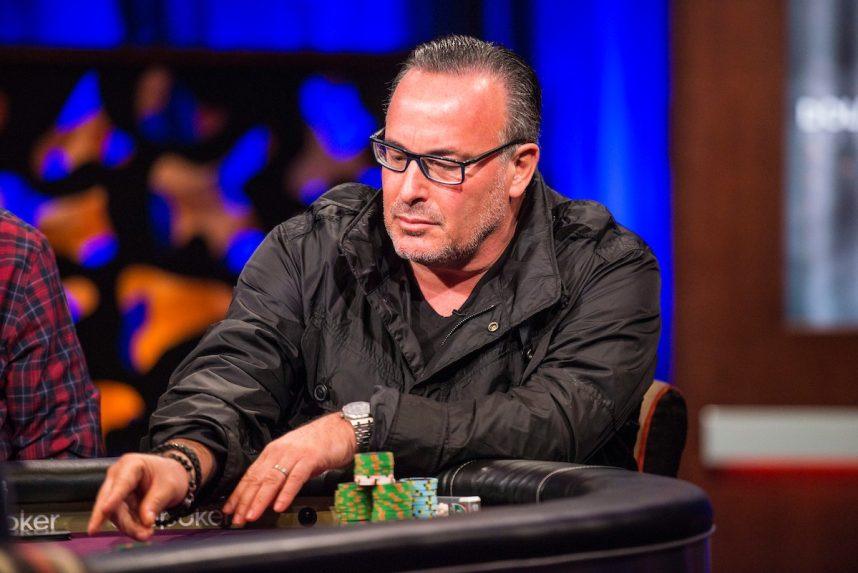
Poker Player Dan Shak Settles COMEX-Spoofing Accusation for $750K

High-stakes poker player Dan Shak has agreed to pay $750K to federal regulators to settle an accusation that he spoofed the gold and silver markets on the Commodity Exchange Inc. (COMEX).

Dan Shak, COMEX, Commodity Futures Trading Commission, CFTC
Dan Shak claims he was confident he would have prevailed at trial but didn’t want the hassle of a lengthy and costly lawsuit. (Image: REG)

“Spoofing” refers to the illegal practice of placing bids on commodities with the intent to cancel before execution in order to manipulate the market.

Shak was sued by the Commodity Futures Trading Commission (CFTC) in August 2022 in a civil lawsuit that alleged he had engaged in “manipulative or deceptive acts.” From February 2015 through March 2018, he placed large orders for gold or silver futures that he had no intention of closing, according to the CFTC.

At the same time, he entered genuine orders on the opposite side of these markets, the lawsuit claimed.

Market Ban

The poker player “knew or was reckless to the fact that his Spoof Orders would send false signals of supply and demand into the market and would deceive or trick other market participants,” per the CFTC.

Under the terms of the settlement, Shak agreed not to deny the allegations but also not to admit to them. He is also prohibited from having any commodity interests traded on his behalf and soliciting, receiving, or accepting any funds from anyone for the purpose of selling commodities.

While I am confident I could have prevailed at trial, I have concluded the right decision for my family and me is to resolve this matter with no admission of wrongdoing and without the cost, delay, and distraction of protracted litigation,” Shak said in a statement issued to PokerNews via his lawyer.

“I was an active trader making millions of trades per year, and the CFTC’s allegations relate to a small fraction of trades that allegedly occurred from 2015 to 2018,” he added.

Previous Violations

In 2013, Shak paid a $400K fine to the CFTC for trying to manipulate the price of light sweet crude oil futures contracts on the New York Mercantile Exchange (NYMEX). He was banned from trading outright futures contracts for two years. Just under two years later, he was fined $100,000 for violating that ban.

Shak has around $11.7 million in gross tournament earnings, according to the Hendon Mob Database. He is the founder and former principle of hedge fund SHK Management. He currently described himself on his LinkedIn page as a “self-employed commodities trader.”

Shak hit the headlines in 2012 when he sued his ex-wife, the poker player Beth Shak, claiming he was unaware of her $1 million shoe collection at the time of their divorce three years prior.

Dan claimed Beth hid her collection of 1,200 designer shoes from him, “possibly using a secret room” in their former $7.5 million Manhattan apartment. Had he known about the expensive footwear, he may have had to pay out less in the divorce settlement, he lamented.

“He is saying he didn’t know the closet in our master bedroom existed,” Beth told The New York Post. 

The post Poker Player Dan Shak Settles COMEX-Spoofing Accusation for $750K appeared first on Casino.org.

Spanish Supreme Court Partially Upholds Appeal Lodged by Jdigital

j+digital_labels_spain_ad_restrictions_annulments_very_positive_but_urges_cautionThe Spanish Digital Gaming Association (Jdigital), announced that the country’s Supreme Court has partially upheld the association’s appeal against Royal Decree 958/2020, a piece of legislation which introduced several restrictions for the industry. However, Jdigital called for more dialogue with the Spanish regulator in order to put the country’s iGaming market on the right path.

The Spanish Supreme Court decided to partially uphold an appeal lodged by Jdigital and annulled several measures stipulated in the Royal Decree 958/2020, which came into effect in November 2020. Almost four years later the Supreme Court ruled that several articles in that decree lacked legal basis.

One of the annulled bits of legislation was article 13, which was related to targeted advertisements towards new customers. Following the Supreme Court’s decision iGaming operators in Spain will once again be able to advertise their products to players who have held an account for less than 30 days. Moreover, they will be able to advertise in venues with public accessibility which sell lottery games.

The ruling by the Supreme Court also allows celebrities to appear in gaming advertising again, while the ban on gambling ads on video sharing platforms was overturned as well. This means that iGaming operators can advertise their products to social media users, but only to those above 18 years of age.

Very Positive News

A previous appeal by Jdigital was rejected by Spain’s constitutional court in November 2023. The victory at the Supreme Court was described by Jdigital in a statement as “very positive news for the online gaming sector.”

However, the Spanish Digital Gaming Association argued that the measures that remain in place still impose several limitations that are considered too restrictive by the industry. For example, the ban on advertising between 1am and 5am both on radio and television remains in place, as it is covered by the General Law of Audiovisual Communication.

Moreover, Article 12 of the Royal Decree 958/2020 was not annulled, which means that iGaming operators still can not use branding for events that minors can see or sponsor sporting events or broadcasts. That said, Jdigital called for increased dialogue between the iGaming industry and the regulatory authorities in order to boost responsible gambling efforts while also allowing sustainable growth for the industry.

Source:

“Jdigital labels Spain ad restrictions annulments “very positive” but urges caution“, igamingbusiness.com, April 11, 2024.

The post Spanish Supreme Court Partially Upholds Appeal Lodged by Jdigital appeared first on Casino News Daily.

SOFTSWISS Game Aggregator Proudly Announces the Introduction Of Live Game Tournaments

SOFTSWISS_game_aggregator_launches_live_game_tournamentsSOFTSWISS, a renowned content hub in the iGaming industry, has recently unveiled a highly anticipated update to its Tournament Tool: live game tournaments. This latest feature marks a significant expansion of the tool’s capabilities, leveraging the successful model of slot tournaments to further enhance player engagement. Internal studies conducted by SOFTSWISS have revealed a notable 22% increase in average daily bets per user since the introduction of the Tournament Tool.

Customized Tournaments Catering to Diverse Player Preferences

One of the key highlights of this update is the ability for operators to customize tournaments to cater to different player segments. While live games are favored by players seeking direct dealer-player interaction and real-time experiences, slot enthusiasts constitute another significant player segment. Despite these differing preferences, both groups share a common interest in competitiveness and social interaction within the gaming environment.

With the implementation of live game tournaments, operators now enjoy enhanced flexibility in managing tournaments. They can precisely select participating casinos, target specific countries, and curate a diverse range of games using the intuitive game search bar and provider filter available in the back office. Additionally, operators have the option to concurrently run live game tournaments alongside slot tournaments or even organize mixed tournaments that seamlessly blend slots and live games.

The Tournament Tool’s updated interface offers a seamless and intuitive user experience, enabling operators to effectively communicate gaming campaigns to players. It provides real-time updates on ongoing and past events, comprehensive tournament rules, and features a dynamic leaderboard widget for players to easily track their standings throughout the competition.

Accessible Innovation for All Game Aggregator Clients

It’s essential to note that this groundbreaking update is accessible to all Game Aggregator clients. This inclusivity ensures that operators of varying scales can leverage the Tournament Tool’s advanced features to enhance player engagement, promote healthy competition, and ultimately elevate the overall gaming experience.

The introduction of live game tournaments within the Tournament Tool by SOFTSWISS represents a pivotal advancement in the iGaming landscape. This innovative feature empowers operators with tailored tools to meet diverse player preferences, foster social interaction, and drive sustained engagement across multiple gaming segments.

Tatyana Kaminskaya, Head of SOFTSWISS Game Aggregator, highlights: “We closely monitor the market and analyse our customers’ feedback to develop features that meet their needs. Tournaments for live games such as blackjack, roulette, and poker immerse players in a special competitive atmosphere that aligns with the gamification trend. In the future, we plan to add other types of games, enabling our clients to build successful businesses that cater to a broader range of player segments.”

Source:

”SOFTSWISS Game Aggregator Launches Live Game Tournaments”, europeangaming.eu, April 09, 2024.

The post SOFTSWISS Game Aggregator Proudly Announces the Introduction Of Live Game Tournaments appeared first on Casino News Daily.

Supreme Court Grants DOJ Additional Time to Submit Seminole Sports Betting Response

The United States Supreme Court has extended a deadline that was set for today, Friday, April 12, for the U.S. government to submit testimony on a pending case challenging Florida’s Class III gaming compact with the Seminole Tribe.

Supreme Court Florida Seminole sports betting
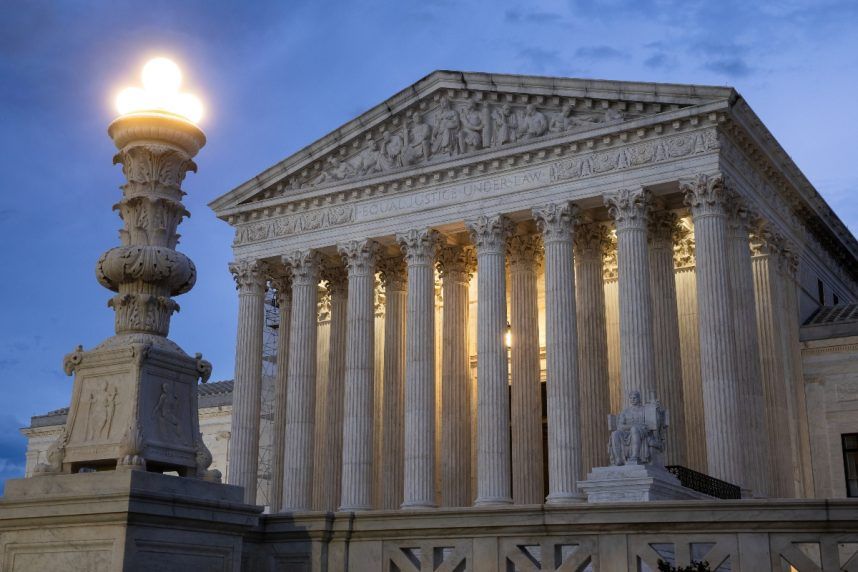
The U.S. Supreme Court has granted the federal government extra time to submit testimony on why it is of the opinion that Florida’s 2021 gaming compact with the Seminole Tribe does not violate federal law. The law in question is the Indian Gaming Regulatory Act. (Image: AP)

The Supreme Court granted the extension request from the U.S. Department of Justice, which is representing the U.S. Department of the Interior in the case West Flagler Associates, Ltd., et al v. Debra Haaland, Secretary of the Interior, et al. The new deadline is May 12 for the DOJ to submit its opinion on why Florida’s revised gaming compact with the Seminole Tribe struck in 2021 does not violate the federal Indian Gaming Regulatory Act (IGRA).

Justice Department officials said more time was needed because its attorneys have been working on “other matters before the Court.” The delay means the Seminoles’ Hard Rock Bet online sportsbook can continue to operate inside the Sunshine State until at least May 12 but presumably much longer, as the federal tribal gaming lawsuit likely won’t be resolved for at least several months.

Lawsuit Backstory

Florida Gov. Ron DeSantis (R) and the Seminole Tribe in May 2021 agreed to new revenue-sharing terms for the tribe’s Seminole and Hard Rock casinos.

The tribe pledged to direct the state a minimum of $6 billion through 2030 to retain its monopoly on slot machines outside of Miami-Dade and Broward counties and house-banked table game exclusivity statewide. In exchange for what DeSantis hailed as a “historic” and “mutually-beneficial agreement,” the tribe gained roulette and craps privileges at its six brick-and-mortar casinos, plus both retail and online sports betting.

The online sports betting component was quickly pushed back on by two pari-mutuel licensees — West Flagler Associates and Bonita-Fort Myers Corporation. Attorneys representing the entities that respectively run the Magic City Casino in Miami and Bonita Springs Poker Room alleged that the state’s decision to allow the tribe to conduct online sports wagering violates IGRA, which requires tribal gaming to be conducted only on sovereign lands owned by federally recognized tribes.

State attorneys argued since the Hard Rock Bet online sportsbook servers remain on Seminole property, the expansion to the internet remains in compliance with IGRA. The DOI and Secretary Haaland agreed while approving the 2021 compact.

Lower federal courts have also sided with Florida, which led to the case being appealed to the U.S. Supreme Court. Once the DOJ submits its testimony, SCOTUS will at some point issue a statement on whether it will accept the case.

State Challenge Remains

If West Flagler and Bonita Springs are dealt another federal loss, their last resort would be to continue with a state case. That litigation deals with whether DeSantis had the authority to expand gaming in Florida after state residents in 2018 passed a ballot that provides the public — not the state — with the “exclusive right to decide whether to authorize casino gambling.”

The Seminoles helped bankroll the 2018 constitutional amendment because their attorneys say it has to do only with new forms of commercial gambling — not tribal. The amendment was designed to block commercial casinos from coming to Miami where a Malaysia-based casino giant, Genting Group, was lobbying state lawmakers to allow an integrated resort.

The Florida Supreme Court last month reprimanded West Flagler and Bonita Springs attorneys for petitioning the case to the state high court without first going through lower courts.

The post Supreme Court Grants DOJ Additional Time to Submit Seminole Sports Betting Response appeared first on Casino.org.